Venice Biennale 2026: Art, Politics, and Identity Unveiled
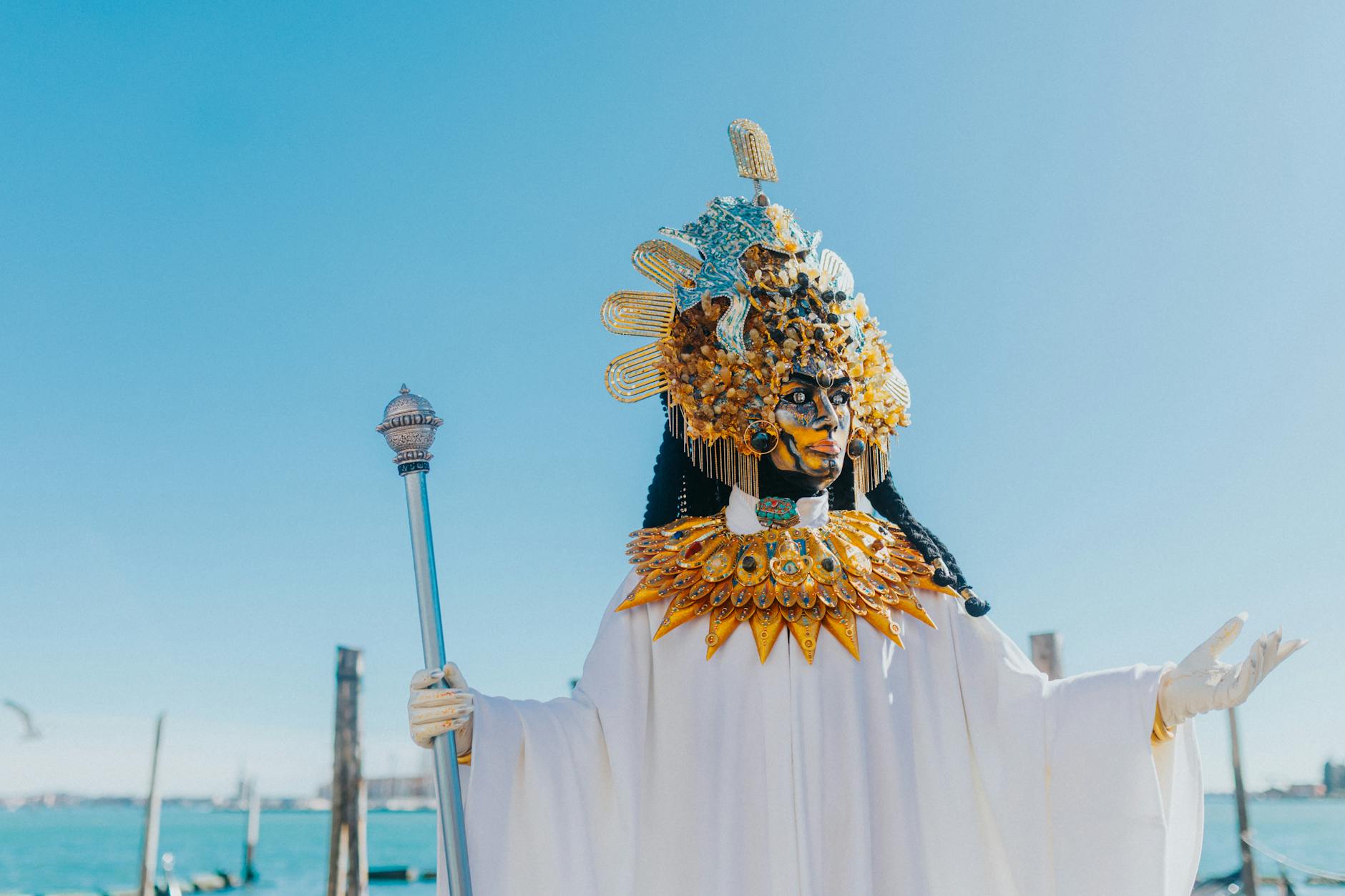
The Venetian lagoon once again becomes the epicentre of the art world as the 2026 Venice Biennale opens its doors, weaving a rich tapestry of art, politics, and identity. This year, the Biennale's national pavilions stand as potent symbols of the world's complex socio-political landscape, each presenting narratives that challenge, provoke, and inspire.
NDTV's Saloni Puri takes us on a journey through the most talked-about installations. The Syrian pavilion, featuring Sara Shamma’s evocative 'The Tower Tomb of Palmyra', invites viewers to reflect on the tragic beauty of Syria’s cultural heritage amidst ongoing turmoil. Meanwhile, the British pavilion stirs conversation with a bold critique of post-Brexit identity, sparking debate over the nation’s place in a rapidly shifting world order.
As ever, the Biennale is not merely an exhibition of art; it is a dialogue with the past, a critique of the present, and a vision for the future. The convergence of art and politics here is not just an aesthetic exercise but a necessary examination of the narratives that shape our world. The artists represented are as diverse as the themes they explore: from the existential to the environmental, from the deeply personal to the universally political.
In the cacophony of artistic expression, certain voices resonate louder, compelling audiences to question preconceived notions and engage with uncomfortable truths. As Saloni Puri observes, the Biennale serves as both a mirror and a magnifying glass, reflecting the world’s complexities while enlarging the conversation around them.
The Venice Biennale 2026, with its blend of creativity and critique, underscores the power of art to transcend boundaries and ignite dialogues across cultures. As nations grapple with defining their identities in an ever-globalising world, the Biennale remains a vital forum for exploring the myriad ways in which art can illuminate the human condition.