Venice Biennale 2026: Art's Bold Dance with Politics
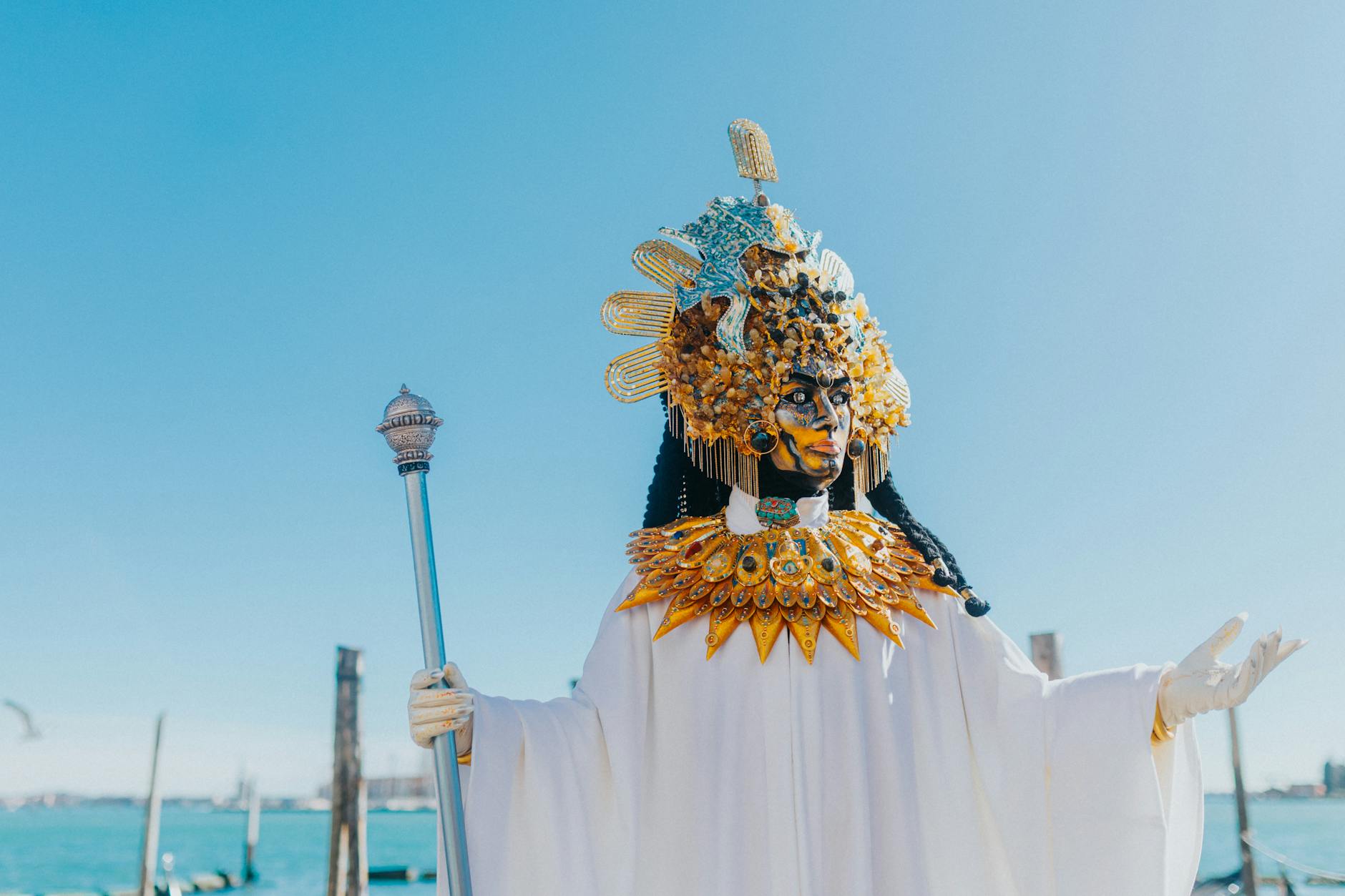
A gondola glides silently through Venice's labyrinthine canals, its passengers peering out at an extraordinary spectacle. This is not the Venice of tourists and carnival masks, but the Venice Biennale 2026, where art and politics are staging an audacious pas de deux.
The 61st edition of the International Art Exhibition, curated in memory of Koyo Kouoh, who passed away in 2025, sees the city transform into a vibrant dialogue platform. From the Giardini to the Arsenale, and into Venice's hidden corners, installations challenge perceptions and provoke discussions on identity, sovereignty, and global tensions.
One cannot ignore the palpable political undertones that mark this year's event. In the shadow of global conflicts and cultural reckonings, the Biennale amplifies voices often silenced. The cutting-edge works exhibited reflect a world grappling with climate crises, migration, and shifting power dynamics.
Art as a Political Catalyst
The Biennale has long been a crucible for political expression. In 2026, this tradition continues with fervour. The Israeli pavilion's delayed opening in 2024 has not been forgotten, reverberating through the current exhibitions as a reminder of art's power to comment on geopolitical realities.
National pavilions, too, are arenas for political and cultural assertion. This year, Albania's selection of Genti Korini delves into themes of place and belonging, while other nations' artists explore their unique narratives. These contributions are more than art; they are statements of identity and intention.
Identity in Focus
As artists and curators from around the globe converge, identity emerges as a central theme. The Biennale provides a lens through which visitors can explore complex layers of selfhood, reflecting an increasingly interconnected yet divisive world.
Despite the tragic absence of its curator, the Biennale stands as a testament to Kouoh's vision: a celebration of diversity, a crucible for debate, and a beacon for those seeking to understand the human condition through the prism of art.