Vijay's TVK Shakes Tamil Nadu Politics, Challenging Dravidian Legacy
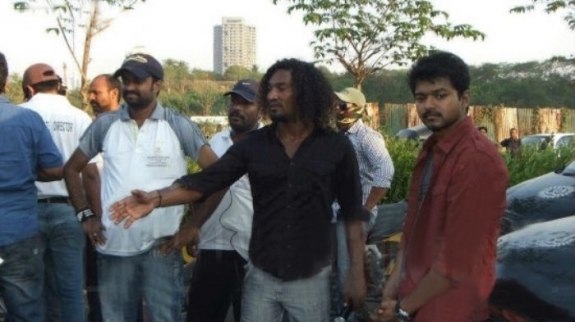
In what can only be described as a political thriller worthy of a Tamil blockbuster, actor-turned-politician Vijay's Thalapathy Vijay Kazhagam (TVK) has upset the apple cart of Tamil Nadu's entrenched Dravidian politics. The 2026 election results have sent shockwaves through the corridors of power as TVK emerged triumphant in over 100 constituencies, unseating Chief Minister M K Stalin and other key figures of the Dravida Munnetra Kazhagam (DMK).
For over half a century, Tamil Nadu's political landscape has been dominated by the Dravidian parties, the DMK and AIADMK, with their ideological underpinnings rooted in social justice and welfare. Vijay's foray into politics has not only disrupted this binary but has also highlighted the region's unique intertwining of cinema and politics.
A New Political Star
Vijay, a superstar known for his charismatic screen presence, has capitalised on his immense popularity to build a political movement that resonates with the state's youth and urban voters. The TVK campaign, marked by its vibrant rallies and strategic use of social media, has shifted the focus from traditional welfare politics to a personality-driven spectacle.
The implications of this shift are profound. Observers argue that Vijay's success could mark the beginning of a new era in Tamil Nadu politics, where celebrity influence may overshadow ideological discourse. Critics, however, caution that such a transition might dilute the nuanced debates that have historically shaped the state's progressive policies.
The Dravidian Dilemma
The decline of the Dravidian parties in this election raises questions about their future relevance. While their foundational ideologies have championed social equality and economic progress, the emergence of TVK suggests a growing disenchantment among the electorate, particularly the younger generation, with the status quo.
As Tamil Nadu navigates this political tectonic shift, the challenge for the Dravidian parties will be to reinvent themselves in a way that resonates with contemporary aspirations while staying true to their ideological roots.
In the coming years, the impact of Vijay's TVK on Tamil Nadu's political fabric will be closely watched, not just for its electoral success but for its potential to redefine the very nature of politics in the state. As the lines between cinema and politics blur further, one wonders whether this new narrative will enhance democratic engagement or merely transform it into another spectacle.