Visa Outsourcing: The Lucrative Business of Borders
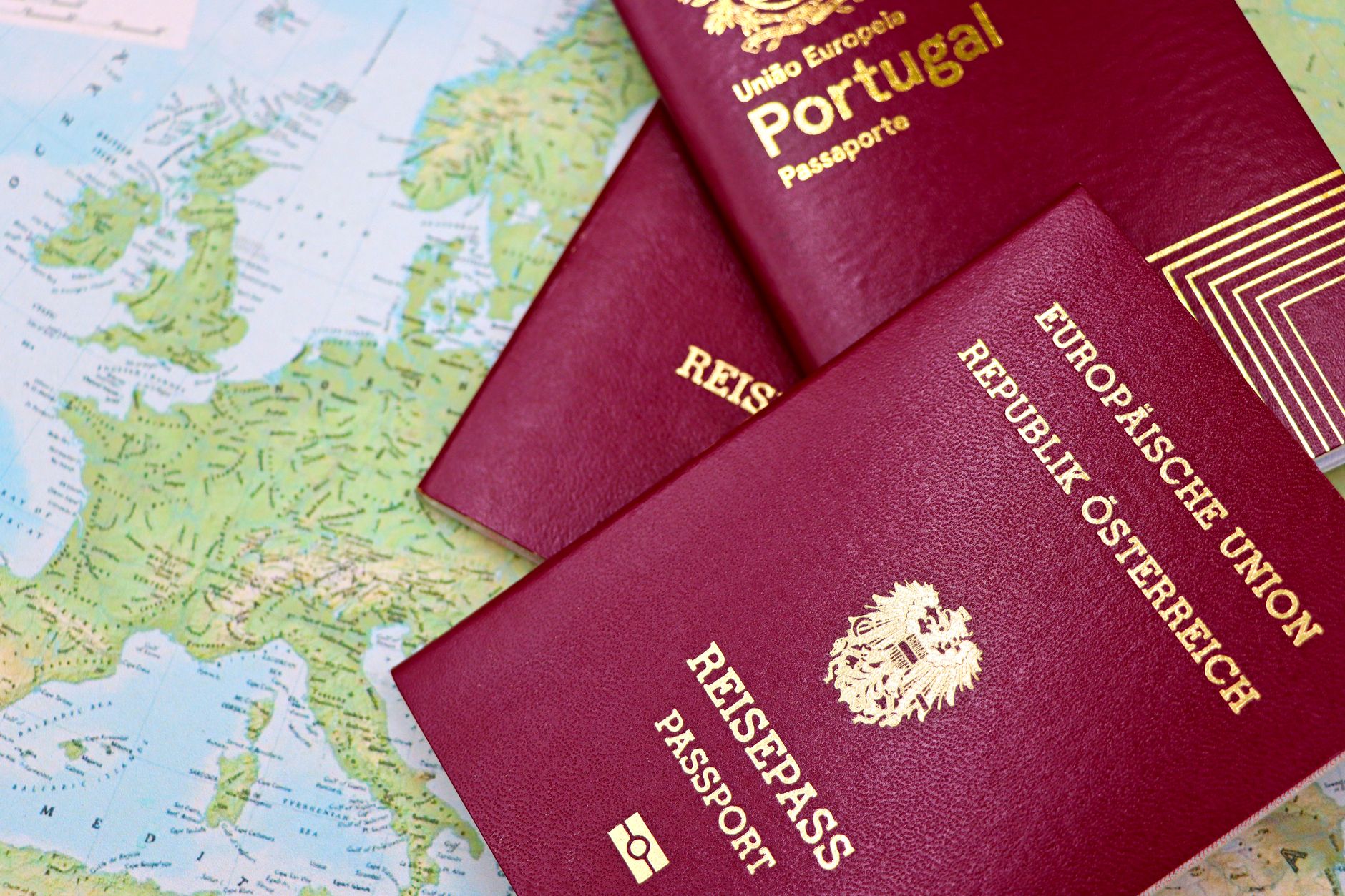
In the labyrinthine world of international travel, where borders are the gatekeepers of human movement, VFS Global has carved out an empire. The company, a major player in visa outsourcing, holds contracts with 71 governments, turning the arduous process of visa applications into a lucrative business. But as VFS Global thrives, questions about the commodification of borders and the implications for global mobility persist.
Founded in 2001, VFS Global has grown from a single office in Mumbai to an international behemoth, capitalising on the increasing demand for visa processing services. While applicants are subjected to mandatory service fees, the real money-spinner lies in the array of add-ons offered by the company. From SMS updates that keep anxious travellers informed to premium lounges that promise a modicum of comfort, these extras turn a bureaucratic ordeal into a potential luxury experience—at a cost, of course.
The Business of Borders
Visa applications have long been seen as a cumbersome necessity, a hurdle to be cleared before personal or business aspirations can be realised. Yet, for VFS Global, these hurdles are opportunities. Through strategic partnerships and a keen understanding of customer needs, the company has transformed visa processing into a high-margin business.
Interestingly, the company's ownership links to influential figures, including a major donor to former US President Donald Trump and Dubai’s ruling family, have added another layer of intrigue. Such connections may offer advantages in securing lucrative contracts, but they also invite scrutiny over the potential influence on international travel policies.
Implications for Global Mobility
The growth of VFS Global reflects a broader trend: the outsourcing of government functions to private enterprises. While this can lead to efficiencies, it also raises ethical concerns. The monetisation of services that were once the remit of public institutions can exacerbate inequalities. For those from countries with weaker passports, the costs can mount quickly, placing international travel further out of reach.
In a world where the ability to cross borders is increasingly tied to economic privilege, the business model of companies like VFS Global serves as a stark reminder of the disparities in global mobility. As the company continues to expand, the debate over the role of private firms in managing borders is likely to intensify, challenging notions of accessibility and fairness in international travel.