Voeller Urges German Squad to Steer Clear of Politics at World Cup
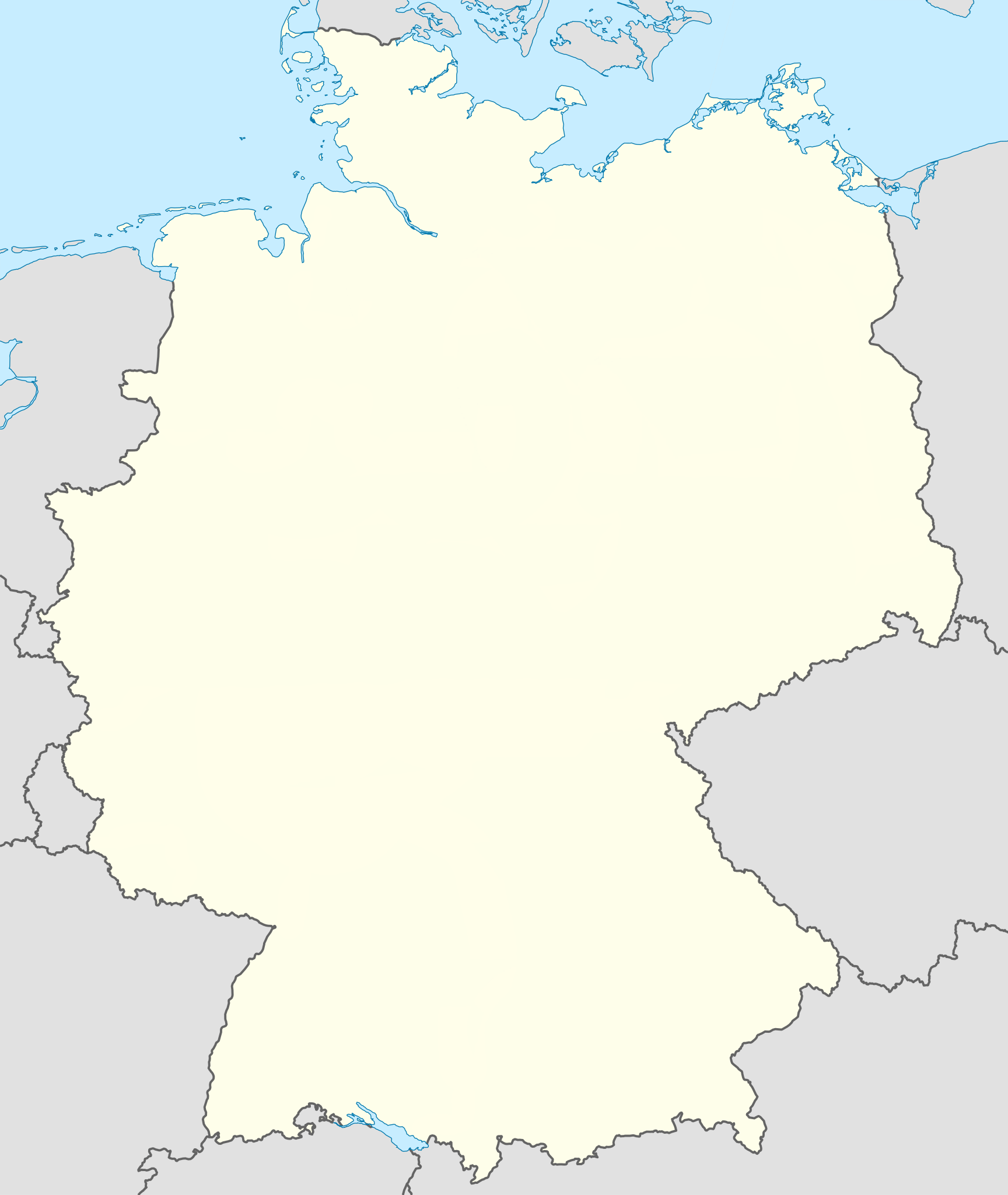
In a move likely to spark debate, Rudi Voeller, the sporting director for Germany, has called upon the national football team to eschew political statements during the forthcoming World Cup. Addressing the media from Germany's pre-tournament camp in Bavaria, Voeller articulated his stance that while players are free to have personal beliefs, the World Cup should remain a stage for sport, not politics.
Voeller's comments come in the wake of the German team's previous actions, notably their mouth-covering gesture during pre-match photos in Qatar, a silent protest against FIFA's restrictions on wearing the 'OneLove' armband. This move, though applauded by some, drew criticism from others who felt it detracted from the sporting focus.
"We are not imposing a gag order," Voeller clarified, "but we encourage the players to keep their focus on football and allow the tournament to be a celebration of the sport." His remarks underscore a broader tension within international sports regarding the intersection of athletics and personal expression.
A Delicate Balance
Voeller's stance is not without precedent. The debate over whether athletes should use their platform for political discourse is long-standing. Supporters argue that sports icons have a unique opportunity to influence public opinion, while detractors worry that such actions can overshadow the games themselves.
In Germany, a nation with a rich history of political engagement, this call for restraint is particularly poignant. Voeller's plea reflects a desire to maintain harmony within the squad and ensure that the focus remains squarely on their performance on the pitch.
The Road Ahead
As the World Cup approaches, it remains to be seen how Voeller's guidance will resonate with the players. The team is known for its diversity and strong opinions, traits that have both united and divided them in the past. However, with the eyes of the world upon them, maintaining a unified front could be crucial for their success.
Whether Voeller's words will quell the urge for activism among the players or stir new discussions about their role in global issues, the forthcoming tournament promises to be significant both for its sporting drama and the broader cultural conversations it inspires.