Volkswagen's Strategic Shift: Selling Engines Amid Chinese Competition
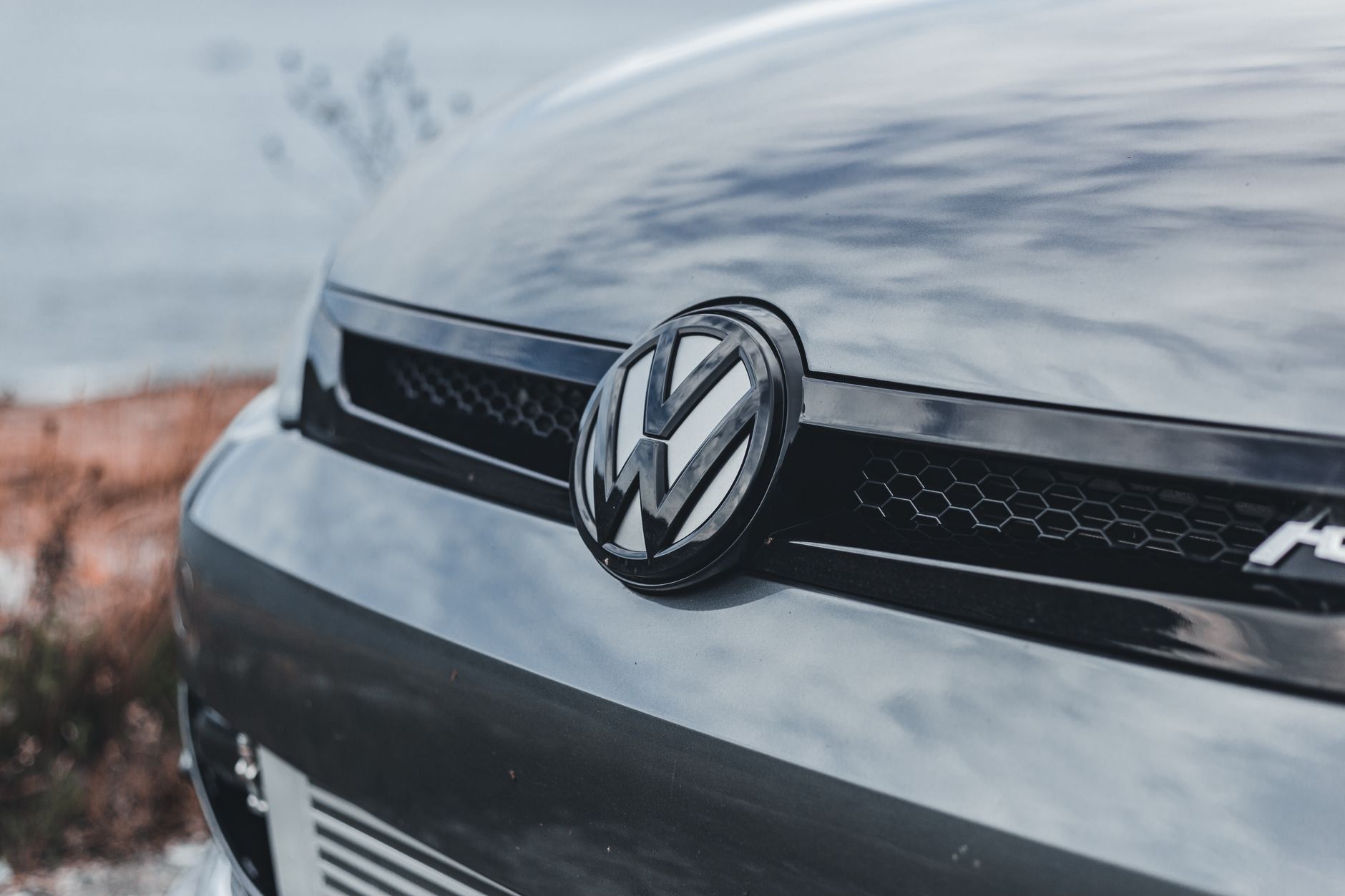
In a bold manoeuvre that speaks volumes about the shifting sands of the global automotive industry, Volkswagen has chosen to sell its engine manufacturing business. This decision comes amidst mounting pressures from Chinese automakers, who have rapidly emerged as formidable competitors in the international arena. The sale is not merely a financial transaction; it represents a strategic recalibration as Volkswagen grapples with diminishing demand in Europe and rising production costs.
Once a symbol of German engineering prowess, Volkswagen's engine division is now poised to change hands. The move is indicative of the broader challenges faced by Western automakers in maintaining their traditional dominance. Chinese companies, with their aggressive pricing strategies and swift technological advancements, have not only captured significant market share but also redefined consumer expectations.
The decision to part ways with the engine business underscores Volkswagen's recognition of the need to adapt or risk obsolescence. With electric vehicles becoming the new frontier, internal combustion engines are increasingly seen as relics of a bygone era. Volkswagen, like many of its peers, must pivot to meet the demands of a world increasingly focused on sustainability and innovation.
Restructuring for Survival
This sale is part of a larger restructuring initiative. Volkswagen aims to streamline its operations and redirect resources towards electric vehicle development and autonomous driving technologies. The company is keenly aware that its future hinges on its ability to innovate and lead in these burgeoning fields.
Investors, however, remain sceptical. The challenge for Volkswagen is not just to restructure but to convince stakeholders of its long-term viability amidst a rapidly evolving landscape. The German automaker must demonstrate that it can compete not only on traditional metrics of quality and reliability but also in agility and technological innovation.
Global Implications
Volkswagen's decision resonates beyond its corporate walls. It signals to the global automotive industry that the rules are changing. Manufacturers worldwide are taking note, as they too must weigh the implications of a market increasingly dominated by Chinese brands and electric vehicles.
Ultimately, Volkswagen's sale of its engine business is a microcosm of the broader transformations occurring within the industry. The coming years will undoubtedly test the resilience and adaptability of automakers as they navigate this new era.