Water Woes in Rajasthan: A Political Conundrum
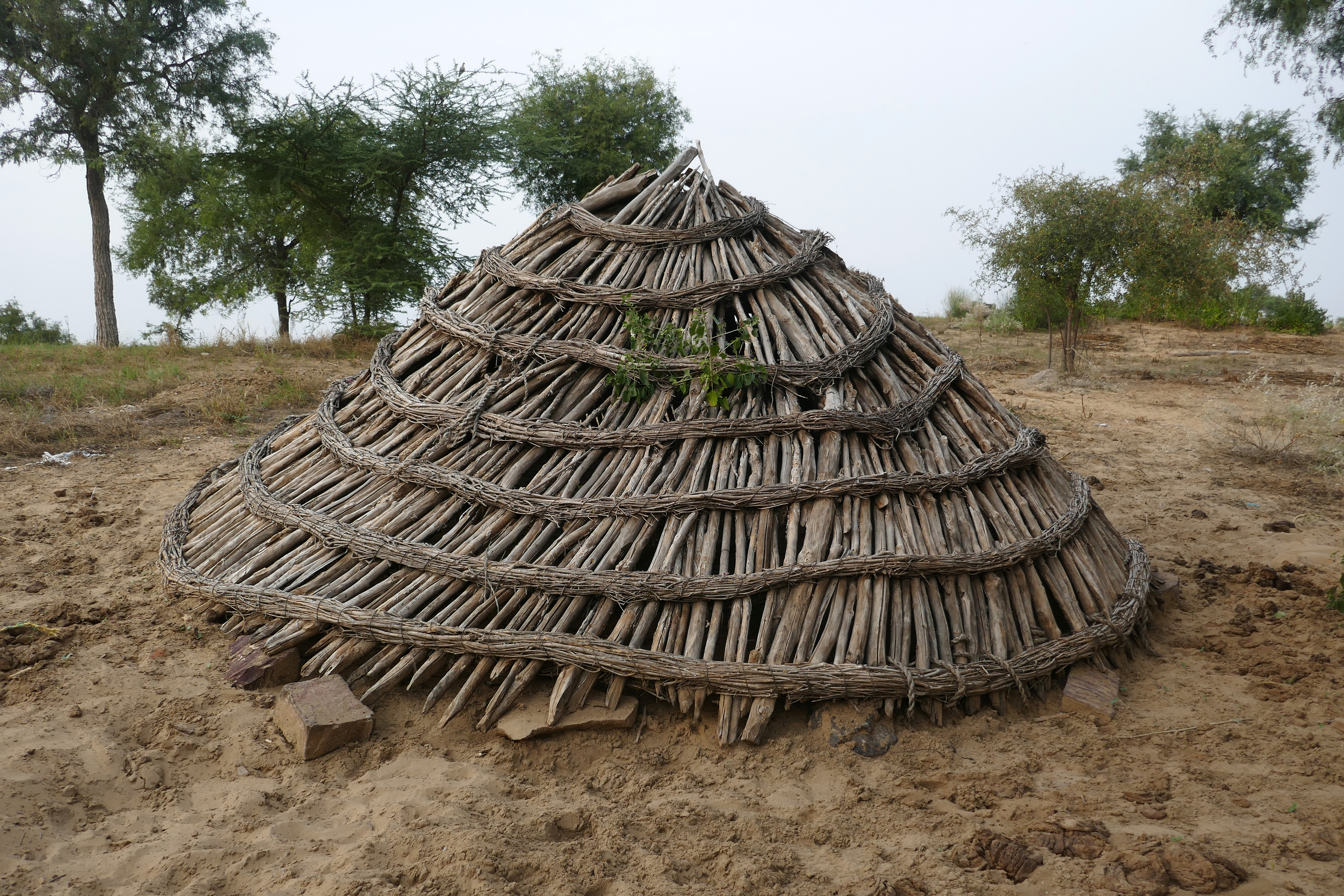
The dusty plains of eastern Rajasthan have become an unlikely battleground, not for political power, but for the lifeblood of its inhabitants—water. The Panchana dam, a project mired in delays for over two decades, has become the epicentre of a multifaceted political drama, setting the stage for an unusual realignment of loyalties.
At the heart of the turmoil are the Meena and Gurjar communities, historically divided yet now united by a common grievance. Their frustration, however, is directed not only at the delay in operationalising the dam but also at the state’s water policies, which many argue fail to recognise women as key stakeholders in water management.
Political Alliances Shift
This water crisis has inadvertently reshaped the political landscape. Leaders who once stood firm with their traditional bases are now finding themselves at odds with their communities. Some have taken surprising stances, supporting rival groups to bolster their political fortunes.
In the midst of this, the state’s water policies have come under renewed scrutiny. The 2010 State Water Policy, which mentions women merely as water users, highlights a glaring omission. Women, often the primary managers of household water resources, remain on the periphery of decision-making processes.
The Broader Implications
The impact of this dispute extends beyond immediate community grievances. It underscores a need for a comprehensive review of water governance in Rajasthan. With climate change exacerbating water scarcity, the state’s approach to water management must evolve, taking into account the critical role of women.
As the dust settles over the Panchana dam dispute, one thing is clear: the political equations in Rajasthan are undergoing a profound transformation. Whether this will lead to lasting change or temporary alliances remains to be seen, but the issue of water will undoubtedly remain at the forefront of the state's political discourse.