West Bengal's Cattle Trade Faces Eid Crisis Amidst Restrictions
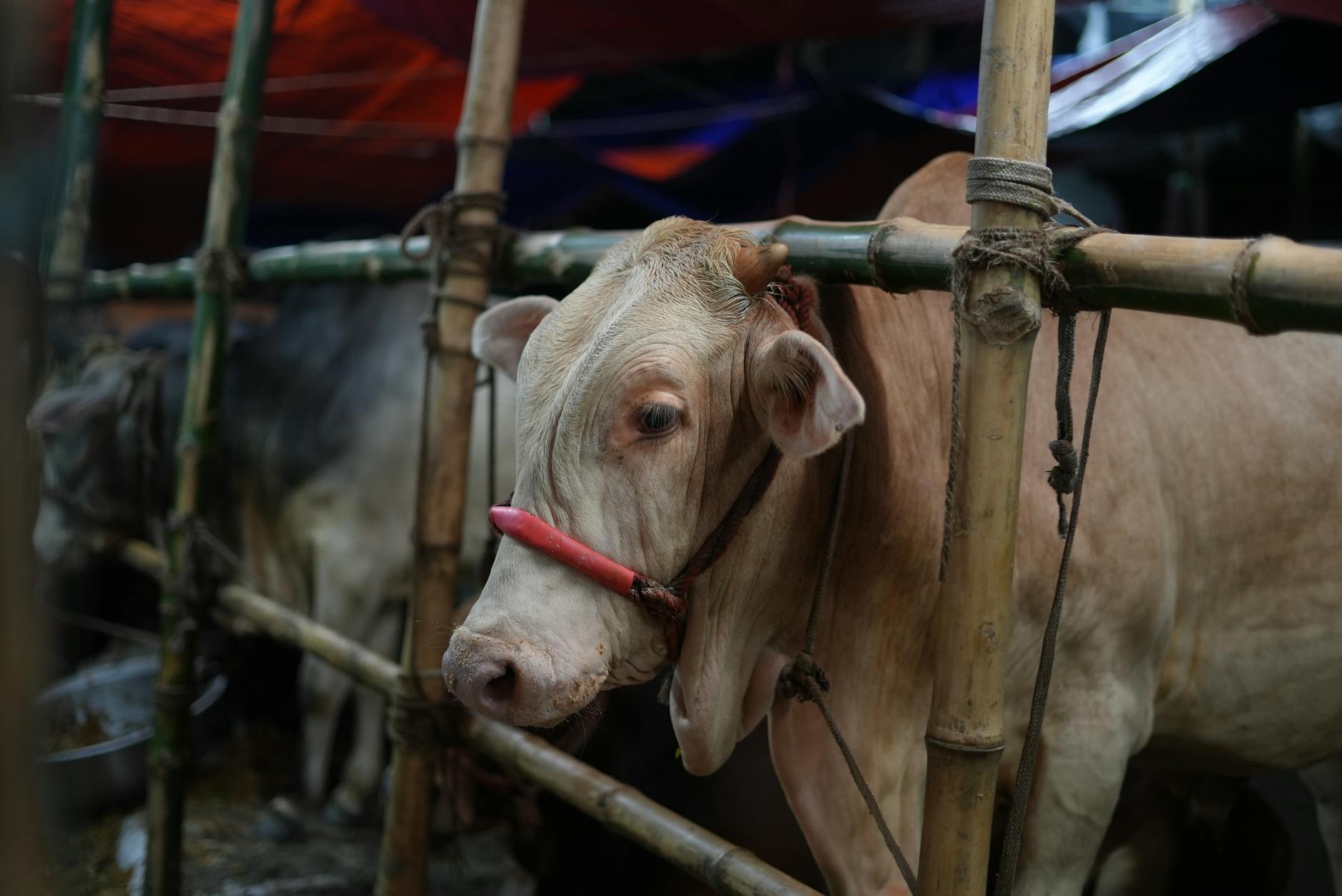
In the bustling markets of West Bengal, where cattle trade has long been a vibrant economic artery, silence now speaks louder than the usual cacophony of haggling voices. As Eid al-Adha approaches, the state finds itself ensnared in a web of political decisions that threaten to dismantle an economy intricately woven around the sacrificial cattle trade.
This year, the tradition faces a formidable challenge. The Suvendu Adhikari-led government has imposed restrictions on cow slaughter, a move that has sent ripples of uncertainty through both Hindu and Muslim communities. While Hindu farmers and traders, who constitute nearly 80 percent of the cattle trade, find their livelihoods hanging in the balance, Muslim buyers are left questioning how they will uphold the 1,400-year-old tradition of qurbani.
The Economic Backbone
At the heart of this issue lies a billion-dollar trade that extends beyond state boundaries to the porous border with Bangladesh. Cattle reared in West Bengal often find their way across this border, feeding into Bangladesh's thriving leather industry. The hides from sacrificial cattle during Eid provide a significant boost to this trade, making the current restrictions all the more significant.
For traders like Ajay Singh, a cattle dealer from Howrah, the situation is dire. "We are caught between our government and our neighbours," he says. "If the cattle can't be sold for Eid, it affects not just us, but the entire supply chain, including the leather industry in Bangladesh."
A Clash of Traditions and Politics
The political undertones of this situation are hard to ignore. AJUP MLA Humayun Kabir has vowed to continue the tradition of Eid qurbani, sparking tensions that reflect the broader societal divide. The cattle trade, it seems, is not just an economic issue but a mirror reflecting the complex interplay of religious practices and political manoeuvring.
As the days to Eid al-Adha tick by, the future of West Bengal's cattle trade hangs in the balance. For now, traders and buyers alike wait with bated breath, hoping for a resolution that honours both tradition and survival.