West Nile Fever Strikes Kerala: Understanding the Risks and Precautions
The serene landscape of Kerala, known for its lush greenery and tranquil backwaters, is currently grappling with an unsettling health scare. West Nile Fever has reared its head again, with cases being reported in Malappuram, Kozhikode, and Thrissur. The state health department has sounded the alarm, urging residents and local authorities to gear up for intensified sanitation efforts ahead of the monsoon.
While the West Nile virus is not new to Kerala, having first appeared in 2011, its current resurgence has rekindled fears. The virus, primarily transmitted through mosquito bites, remains a silent invader in most cases. Approximately 80 percent of those infected show no symptoms, making it a stealthy adversary. Yet, for the unfortunate few, the virus can lead to severe neurological diseases, and in some cases, prove fatal.
Understanding the Virus
Originating in Africa, West Nile Virus (WNV) has made its way across continents, finding hosts in Europe, the Middle East, and beyond. In India, Kerala has been a focal point, with previous casualties reported in 2019. The virus thrives in environments where stagnant water allows mosquitoes to breed unchecked—an all-too-familiar scenario during Kerala's rainy season.
Symptoms, when they do manifest, tend to resemble those of flu: fever, headaches, body aches, and occasionally skin rashes. In rare instances, the virus can lead to encephalitis or meningitis, conditions that require immediate medical attention.
Prevention and Precaution
Amidst the current health alert, the focus is firmly on prevention. Authorities have advised residents to eliminate standing water around their homes, use mosquito repellents, and ensure proper sanitation. Public health campaigns are being ramped up to spread awareness about the disease and its symptoms.
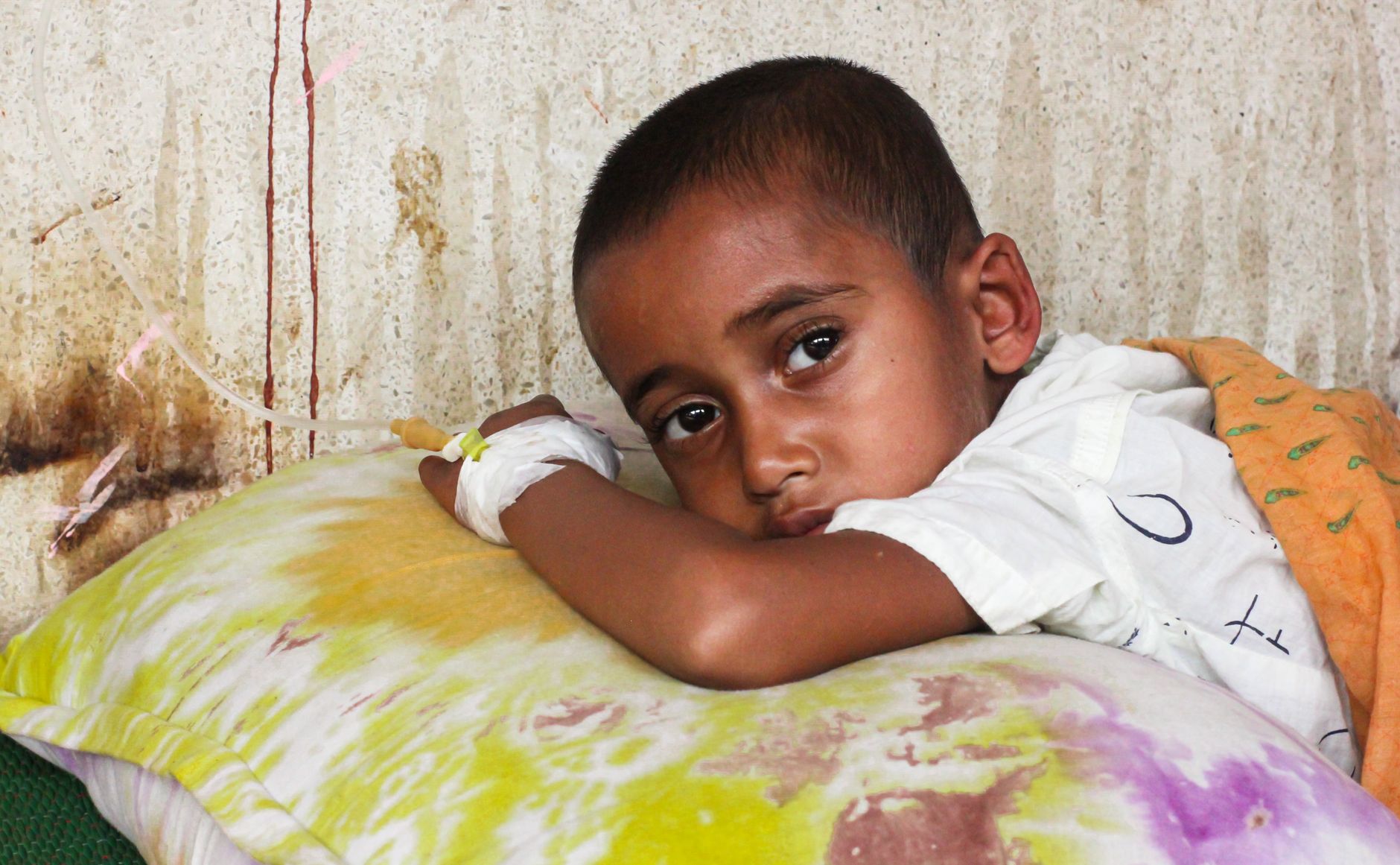
Hospitals in affected districts have been put on high alert, with medical personnel prepared to offer supportive care, which includes hospitalisation, intravenous fluids, and respiratory support for those severely affected.
The lessons from Kerala's previous encounters with WNV serve as a grim reminder of the virus's potential impact. As the state braces for the monsoon, the emphasis remains on vigilance and public cooperation to prevent another outbreak.