Western Pacific Nations Unite with WHO to Tackle Air Pollution
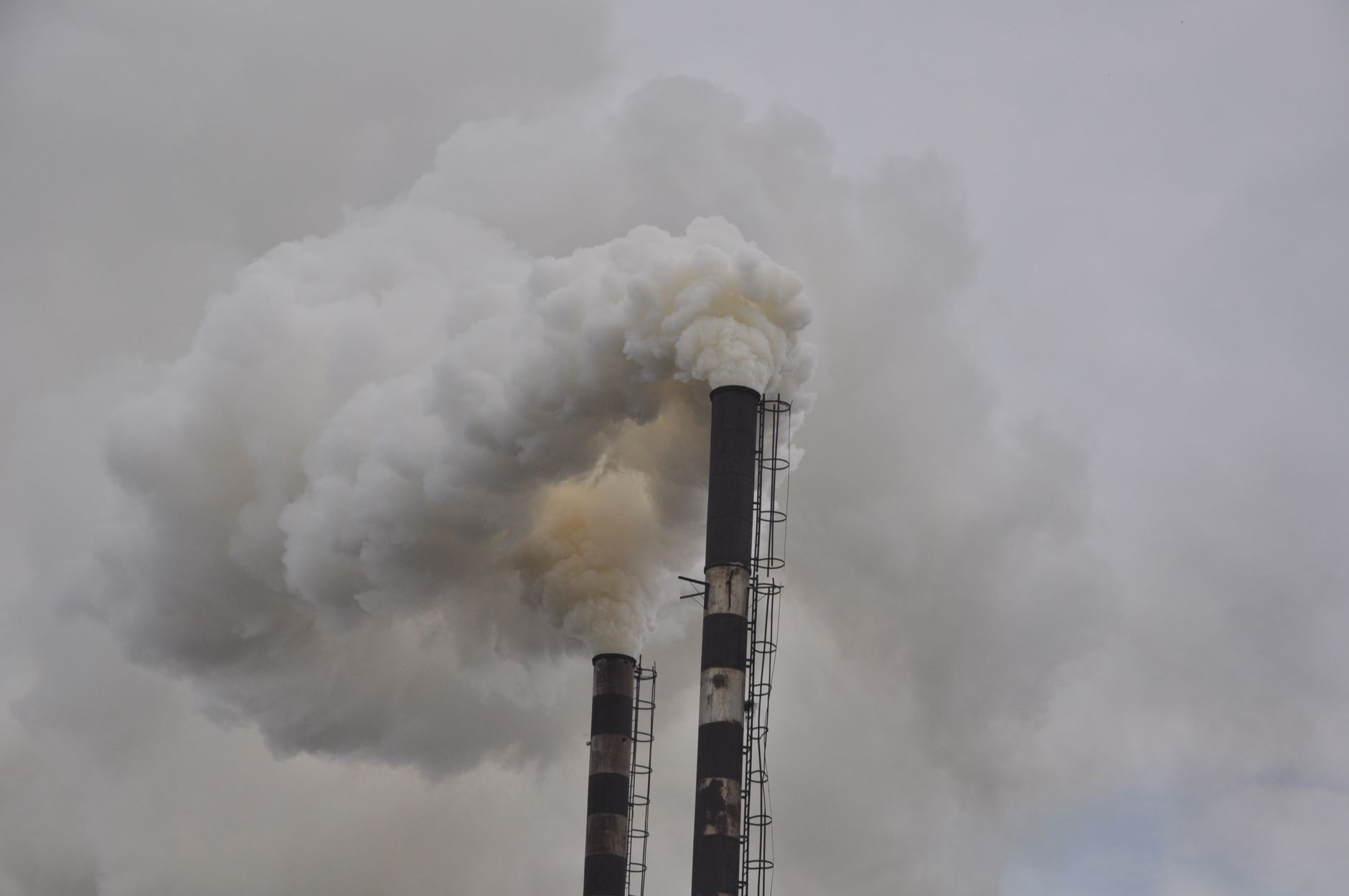
In a bid to combat the escalating health challenges posed by air pollution and climate-induced heat, 11 nations from the Western Pacific region have allied with the World Health Organization (WHO). This coalition has unveiled a comprehensive regional road map alongside a community of practice, both designed to mitigate the adverse health impacts of environmental degradation.
The announcement was made during a high-profile meeting in Fiji, where health ministers and environmental experts convened to strategise on urgent measures. With the Western Pacific region home to nearly 1.9 billion individuals, the implications of unchecked air pollution are profound. Polluted air is known to exacerbate respiratory ailments, cardiovascular diseases, and premature mortality, particularly affecting the vulnerable and disadvantaged.
Cooperative Approach
The WHO's initiative comes at a critical juncture, with the organisation estimating that the cost of implementing the road map will surpass $39 million over the next six years. This investment underscores the gravity of the issue and the collective resolve to tackle it head-on. The road map aims to halve mortality rates linked to anthropogenic air pollution by 2040, with a particular focus on integrating these goals into national policies by 2030.
Dr Takeshi Kasai, WHO Regional Director for the Western Pacific, lauded the partnership, emphasising that 'only through united efforts can we hope to make a substantial difference.' The initiative is not merely about reducing emissions but also enhancing public awareness and fostering sustainable practices across industries.
Global Implications
This regional effort is part of a broader global strategy adopted during the 78th World Health Assembly. The commitment from Western Pacific countries highlights a growing recognition of the interplay between environmental health and economic prosperity. It serves as a reminder that air pollution is not confined by borders and requires a concerted international response.
As the world grapples with the twin crises of pollution and climate change, the WHO's roadmap offers a blueprint for countries aiming to strike a balance between development and ecological stewardship. With the stakes so high, the success of this initiative could serve as a catalyst for similar efforts in other regions.