What Parakeets in Your Garden Reveal About Urban Wildlife
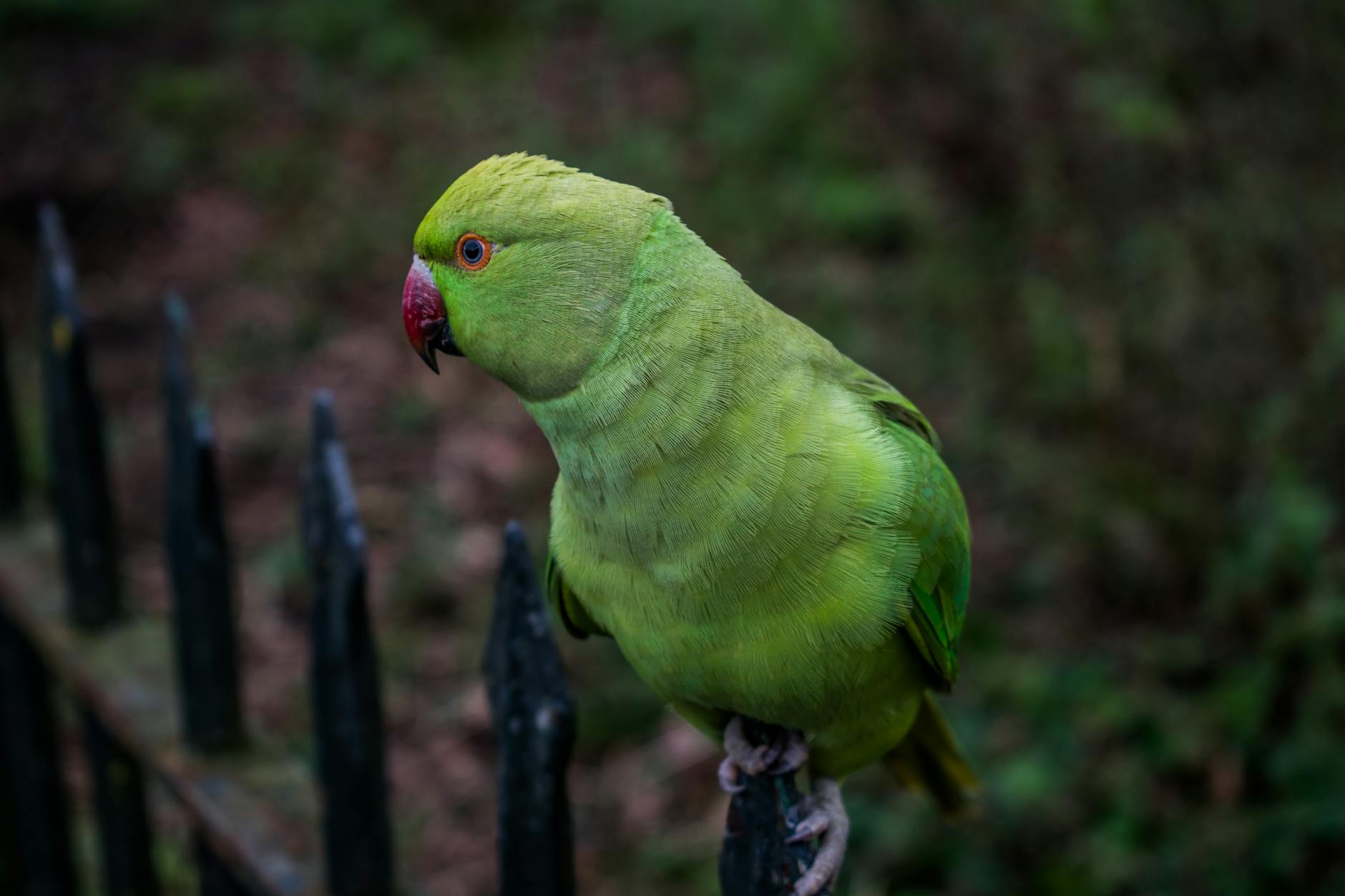
If you find yourself distracted by the raucous chatter of parakeets while sipping morning tea in your garden, you might be witnessing more than just an avian performance. These bright green birds, with their distinct ringed necks, are increasingly making the UK, especially London and the South East, their home. And their visits are far from trivial.
Parakeets, originally hailing from the warmer climes of Africa and Asia, have adapted remarkably well to the British urban landscape. Their presence, while sometimes noisy, is a testament to the health of local ecosystems. They thrive in areas abundant with trees, food, and water, marking these neighbourhoods as ecological havens.
The Ecological Significance
For those with a penchant for urban wildlife, parakeets are a welcome sight. They signal that the urban environment is capable of supporting a diverse range of species. In cities like London, where green spaces are precious, the parakeet population highlights areas of ecological success.
However, their presence is a double-edged sword. While they bring vibrancy and life to cityscapes, they also present challenges. Nesting in close proximity to electrical wiring, for instance, can cause disruptions, and their voracious appetite can sometimes lead to conflicts with local species and human residents alike.
Balancing Urban Development and Nature
As urban areas continue to expand, the challenge remains to balance development with the preservation of nature. Parakeets, with their undeniable charm and ecological importance, remind us of the delicate interplay between urban life and the natural world. Awareness and understanding of their habits can guide urban planning that accommodates both infrastructure and wildlife.
In the end, these vibrant birds offer more than just a splash of colour to our skies. They are a living barometer of our cities' ecological health, urging us to consider how we can coexist more harmoniously with nature. So, the next time you spot them, instead of merely covering your ears, perhaps consider what these feathered guests are trying to tell us about our shared environment.