When Nature Adapts: Birds Nesting with Military Fibre-optics
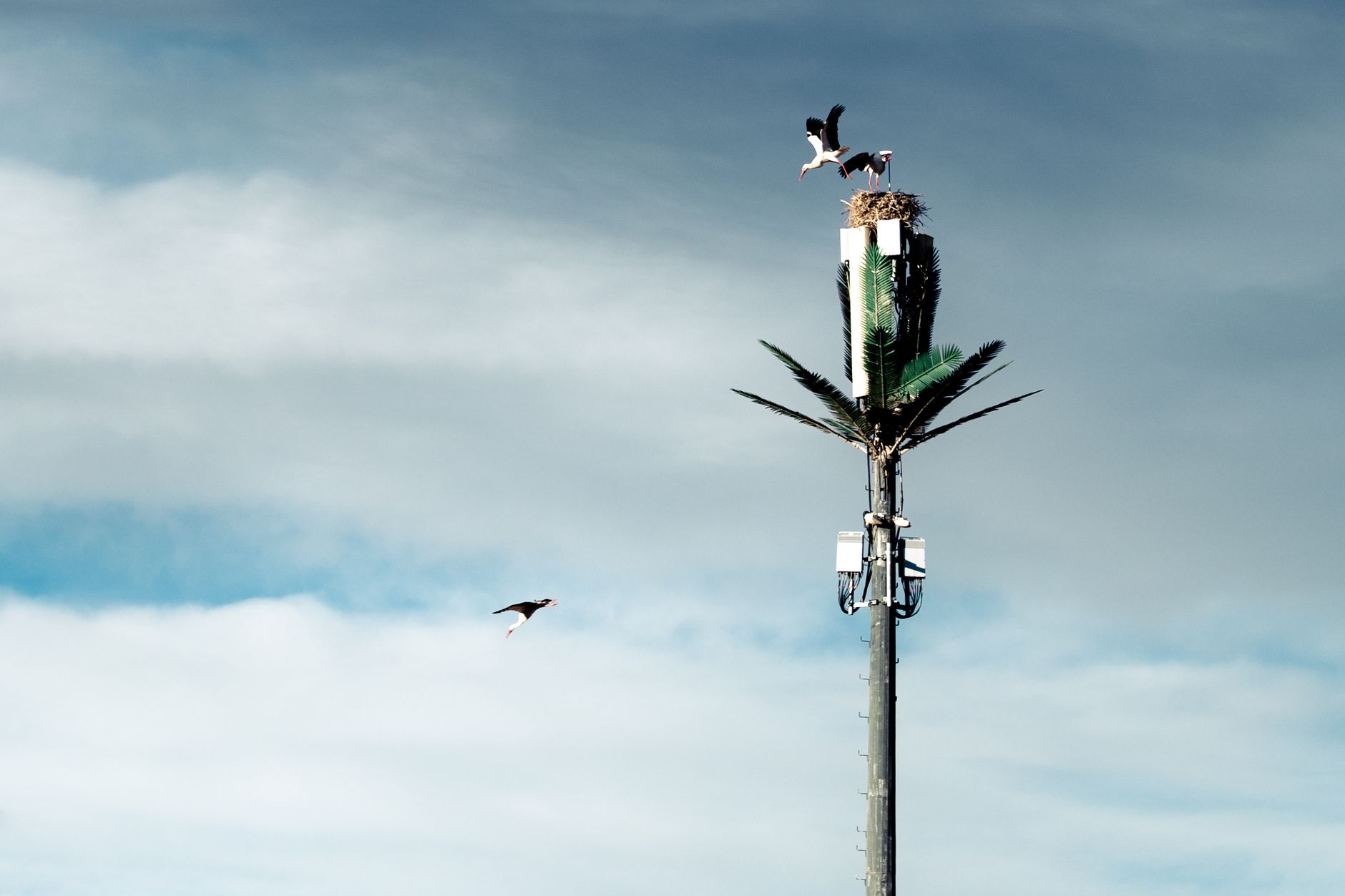
Amidst the cacophony of conflict, a peculiar discovery has emerged from the Ukrainian battlefields. Birds, those ever-resourceful architects of nature, have been found weaving their nests with military-grade fibre-optic cables. These cables, left behind by first-person view (FPV) drones, stretch up to 20 kilometres and are now an unexpected component of avian architecture.
Yana Hrynko, a senior researcher at Kyiv’s War Museum, notes that at least two such nests have been discovered, serving as a poignant reminder of how nature can adapt to human folly. While the sight of birds using advanced technology for simple sheltering needs might inspire a wry smile, it underscores a more serious concern: the environmental footprint of military operations.
The use of fibre-optic drones in frontline areas is intended for precision and minimal human risk. However, the aftermath of their deployment is far less considered. Unlike organic materials, fibre-optic cables do not corrode. They can remain where they fall for decades, posing risks to birds and other wildlife.
In the broader picture, this phenomenon raises questions about the sustainability of military technology. As the world grapples with the environmental challenges posed by various industries, the defence sector's impact often escapes scrutiny. Yet, the evidence of this impact is now quite literally woven into the nests of local wildlife.
Hrynko's observations highlight a critical oversight in military strategy concerning environmental conservation. The debris from advanced technologies could well become the plastics of the future, long-lasting and pervasive.
As birds adapt, so too must human strategies. This unexpected blend of nature and technology should catalyse a broader conversation about the ecological responsibilities of warfare. The next time a drone takes flight, its flight path might be mapped with more than just tactical objectives in mind, but also with an eye on the ground it leaves behind.