WHO Breakthrough: First Diagnostic Test for Ebola Bundibugyo Virus Approved
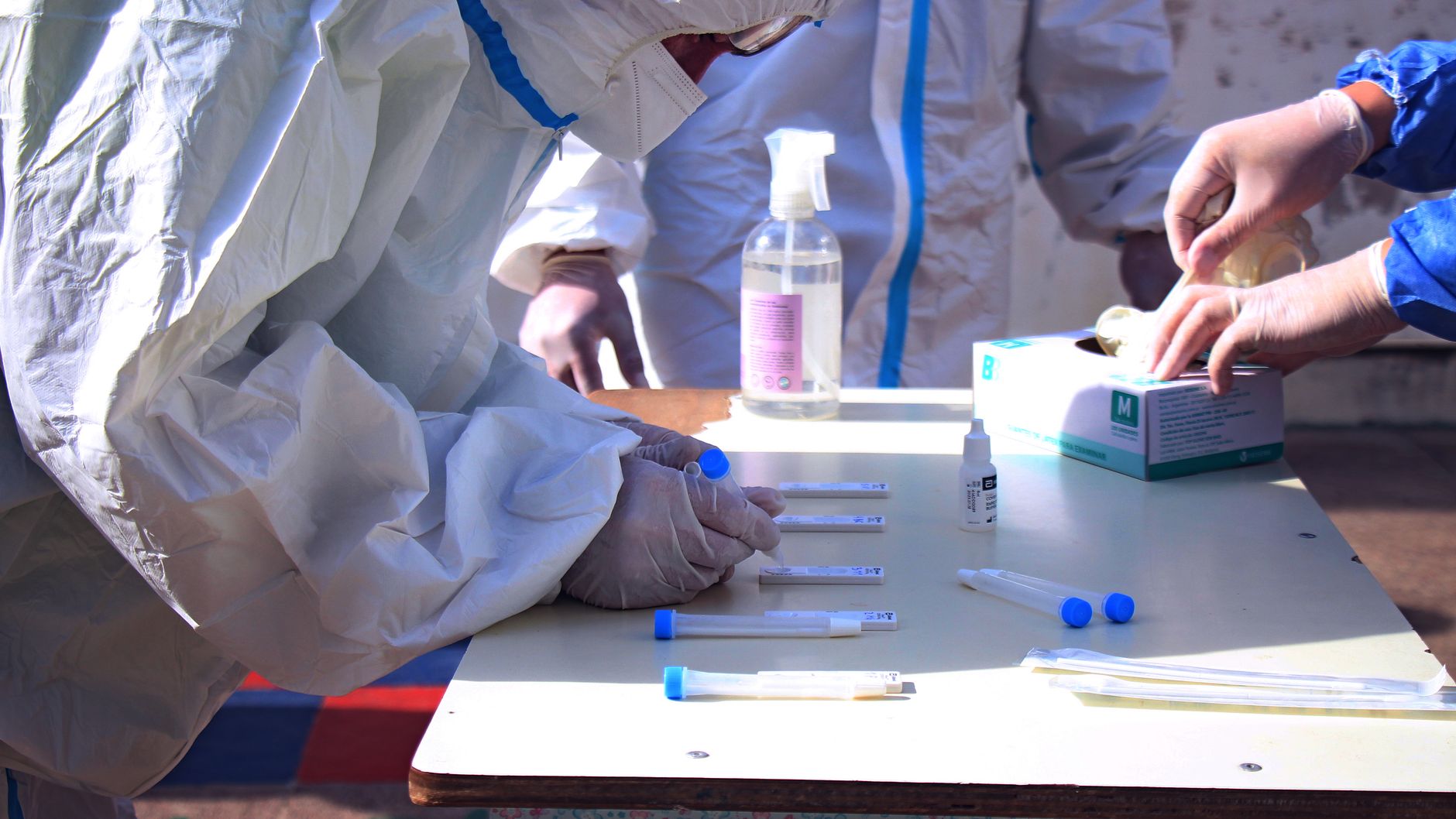
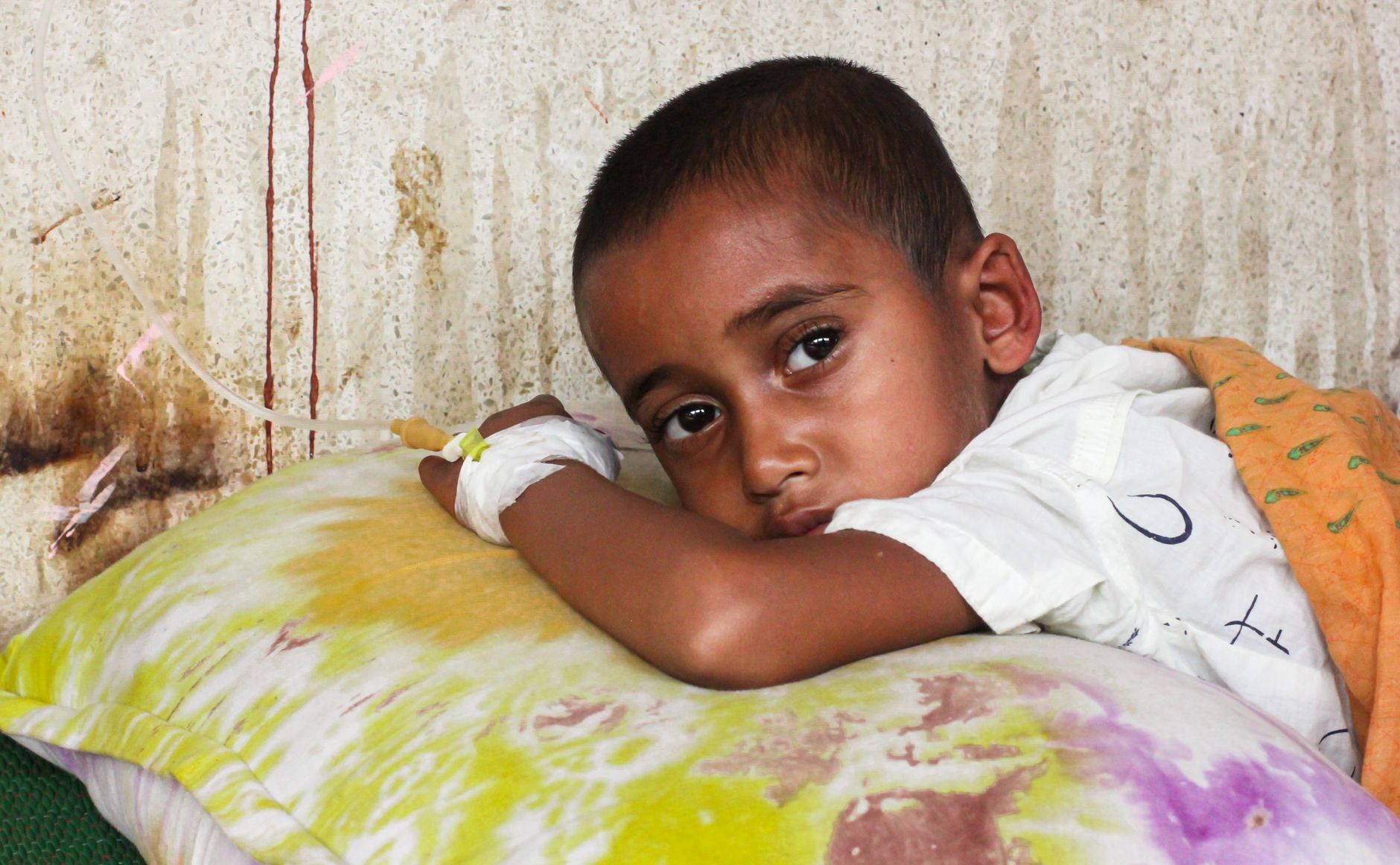
The World Health Organization’s announcement of the first molecular diagnostic test for the Ebola Bundibugyo virus marks a pivotal moment in the fight against this deadly pathogen. Until now, the absence of a rapid and reliable diagnostic tool has hampered efforts to manage outbreaks, particularly in regions like the Democratic Republic of Congo and Uganda, where the virus has caused significant concern.
By adding this test to its Emergency Use Listing, the WHO provides healthcare workers with a much-needed means to detect the virus accurately. This development is especially urgent given that the Bundibugyo strain, first identified in 2007, has no licensed therapeutics or vaccines. Responders in affected areas can now confirm infections more swiftly, potentially saving lives by enabling earlier intervention.
A Lifeline Amidst Crisis
The introduction of this diagnostic tool is a beacon of hope amidst a challenging landscape. The Bundibugyo virus, named after the district in Uganda where it was first detected, is one of several species of Ebola, each presenting unique challenges. While the Zaire strain has garnered much of the attention due to its higher mortality rate, Bundibugyo's elusive nature has made it a formidable adversary.
Community mistrust and logistical hurdles have often impeded timely responses to outbreaks. In this context, the new test could play a crucial role in building confidence among local populations, who may have been sceptical of previous interventions.
The Road Ahead
While the diagnostic test is a step forward, the path to comprehensive control of the Bundibugyo virus remains fraught with challenges. Ongoing trials for potential treatments and vaccines continue, but progress is slow. The WHO's emergency listing is a testament to the urgent need for innovative solutions in the face of persistent health threats.
As the world grapples with multiple public health crises, the addition of this test underscores the importance of preparedness and rapid response. For communities on the frontline, it offers a crucial tool in the arsenal against a virus that shows no signs of abating.