WHO Chief Assures Tenerife: Hantavirus Risk Low Despite Cruise Ship Arrival
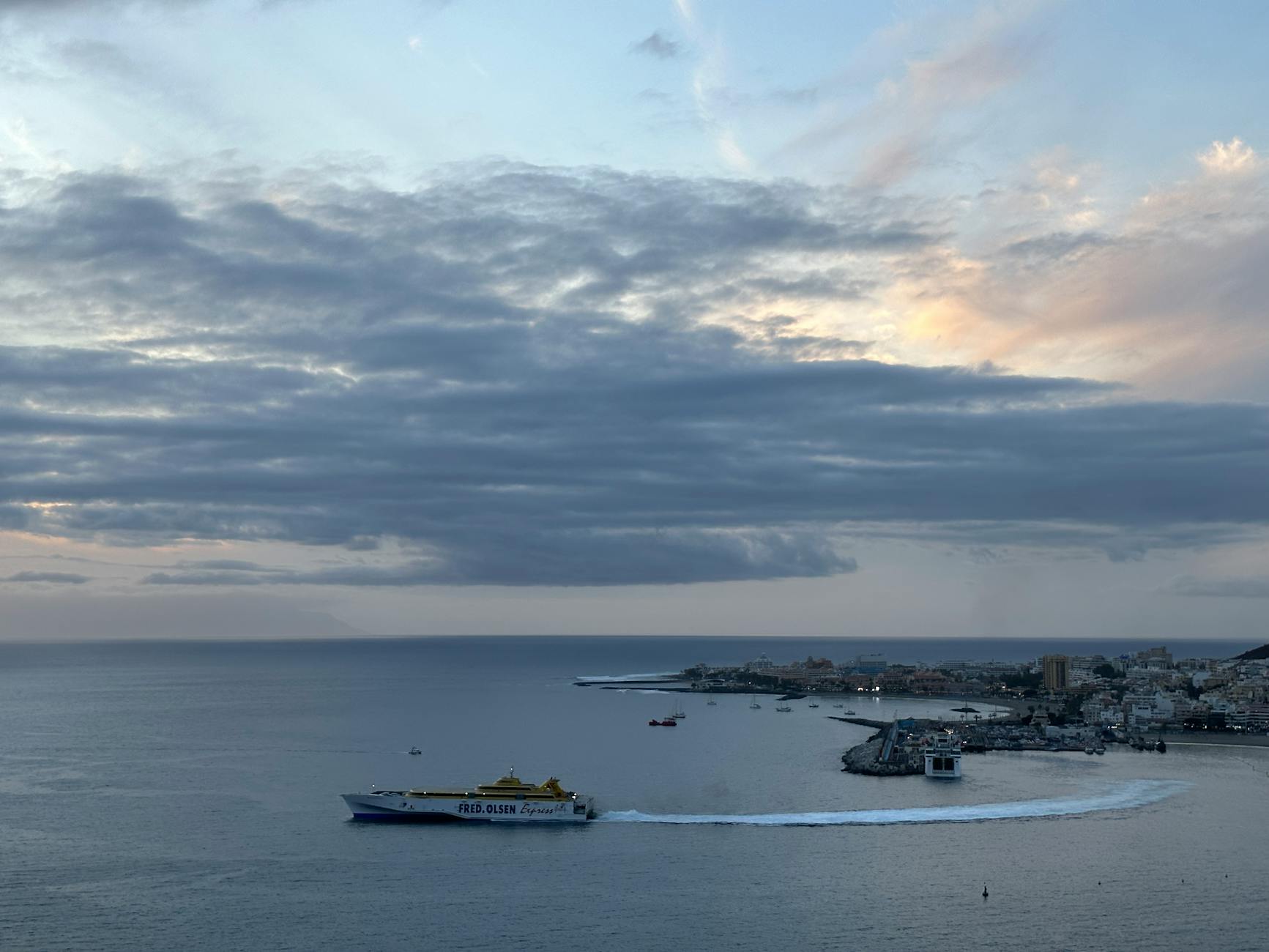
Amidst growing concerns on the Spanish island of Tenerife, the World Health Organization's Director-General, Tedros Adhanom Ghebreyesus, delivered a message intended to quell fears surrounding the impending arrival of the MV Hondius cruise ship. This vessel, currently en route to the Canary Islands, is grappling with an outbreak of the Andes strain of hantavirus.
Ghebreyesus, speaking directly from the island, reassured the populace that the risk to public health remains minimal. 'We have evaluated the situation thoroughly, and I can affirm that our measures are robust,' he said, emphasising the coordinated efforts with local authorities to manage the situation effectively.
The MV Hondius, expected to dock at Tenerife's port in the early hours of Sunday, has been at the centre of international health discussions. The Andes strain of hantavirus, though serious, is primarily transmitted through contact with infected rodents or their droppings, limiting the potential for widespread human-to-human transmission.
Precautionary Measures in Place
Authorities have already mobilised resources to handle the situation. Health teams are on standby to conduct thorough checks and ensure that all necessary precautions are observed. Ghebreyesus noted that contingency plans include isolating affected individuals and providing them with immediate medical care.
The WHO's team, led by Ghebreyesus himself, has been stationed in Tenerife to oversee the response. Their presence underscores the seriousness with which the organisation is treating the situation, despite the low risk level.
A Community Reassured
For the residents of Tenerife, the WHO's reassurances provide a measure of relief. 'We are confident in the preparations made by our health authorities,' said a local resident, echoing the sentiments of many in the community.
While the arrival of the MV Hondius does not pose a significant threat, the situation serves as a reminder of the importance of vigilance and preparedness in the face of potential public health challenges.