WHO Declares Ebola Outbreak a Global Health Emergency
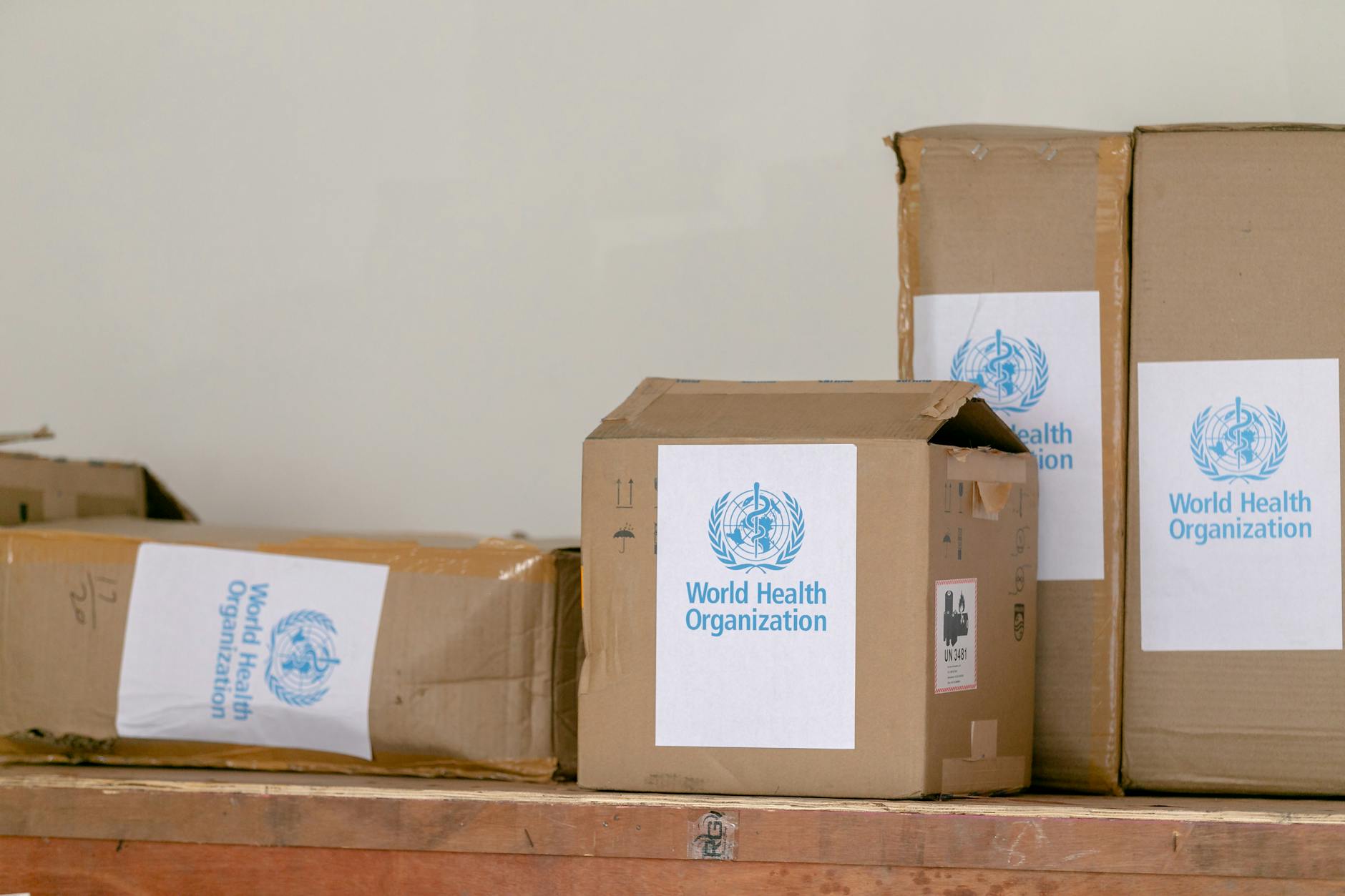
The grim spectre of Ebola looms once more, as the World Health Organization (WHO) declares the outbreak in the Democratic Republic of the Congo (DRC) and Uganda a Public Health Emergency of International Concern (PHEIC). This designation, akin to an international alarm bell, underscores the mounting urgency as cases proliferate and the spectre of cross-border transmission grows ever more ominous.
The WHO's declaration, which was publicised following an assessment by the International Health Regulations Emergency Committee, is not merely symbolic. It mandates a coordinated international response, urging countries to bolster their surveillance, response mechanisms, and cross-border coordination. The ultimate aim is to contain the outbreak and prevent a crisis from spiralling into catastrophe.
The Significance of a PHEIC
A PHEIC is reserved for extraordinary events that pose a public health risk through the international spread of disease. It is a call to action, a signal that immediate international intervention is essential. Historically, such declarations have been rare, with only a handful occurring since the system's inception post the 2002–2004 SARS outbreak.
Unlike routine pandemic alerts, a PHEIC can encompass emergencies beyond infectious diseases, such as chemical or radioactive hazards. This broad scope reflects the varied nature of modern health threats, which often transcend national boundaries in our interconnected world.
Current Challenges and Responses
The ongoing Ebola outbreak presents unique challenges, not least due to the region's complex socio-political landscape. The DRC and Uganda have both struggled with infrastructure deficiencies and civil unrest, factors that complicate response efforts. The WHO's declaration seeks to galvanise global support, ensuring that resources and expertise are mobilised to curb the outbreak's impact.
Experts caution that without swift and decisive action, the outbreak could escalate, with dire consequences for the region and beyond. The lessons from past emergencies, including the West African Ebola epidemic and the COVID-19 pandemic, highlight the importance of prompt, coordinated international action.
While the declaration of a PHEIC may not provide an instant solution, it is a crucial step towards galvanising the global community to respond effectively to this pressing health threat.