WHO Declares Ebola Outbreak in Africa a Global Health Emergency
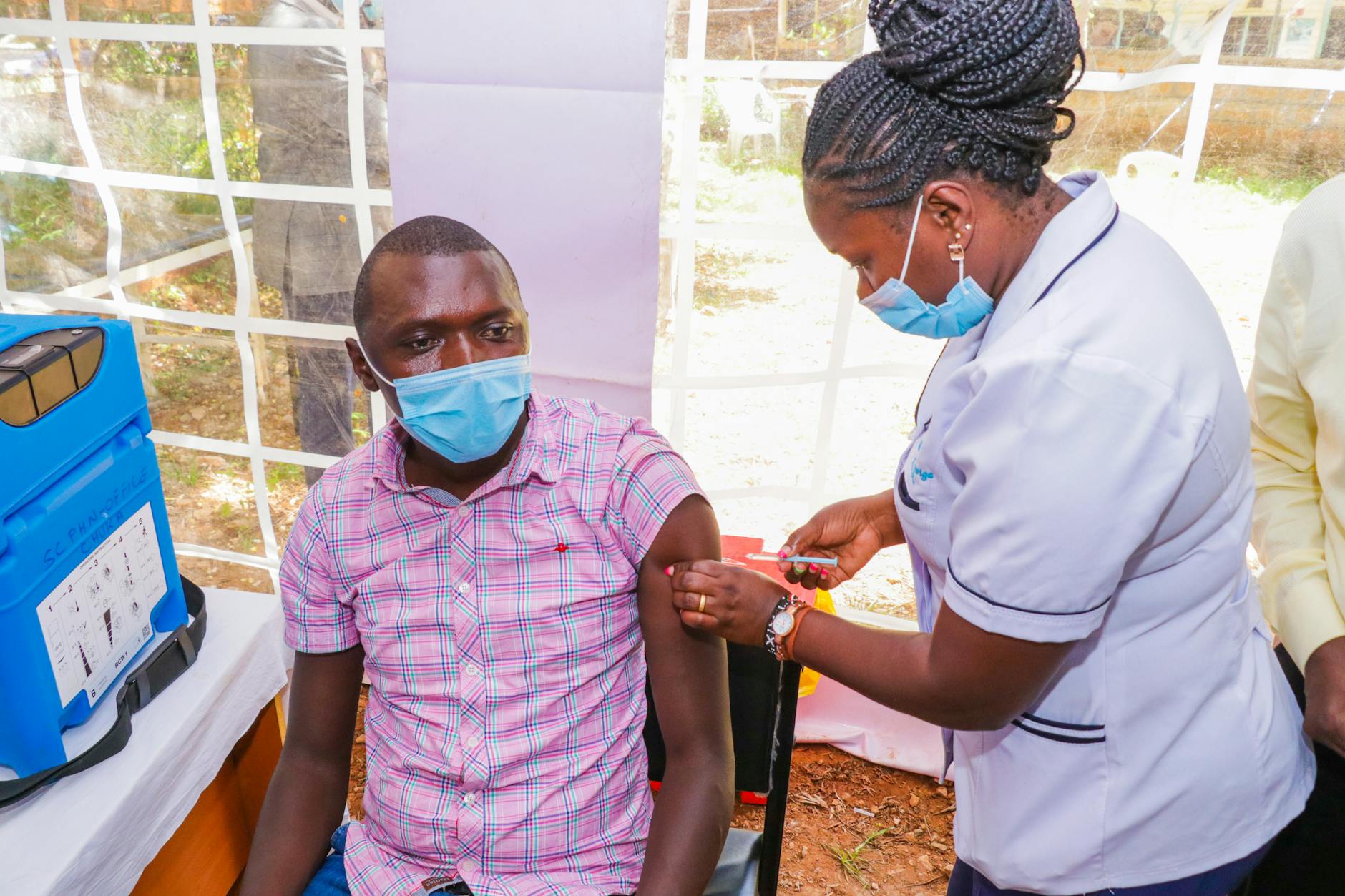
In a move reflecting the gravity of the situation, the World Health Organization (WHO) has declared the Ebola outbreak in the Democratic Republic of the Congo (DRC) and Uganda a 'public health emergency of international concern'. The decision, announced on Sunday, underscores the serious threat posed by the Bundibugyo virus, a strain of Ebola that has triggered alarm across the international community.
The declaration does not come lightly. It marks a significant escalation in the global response to the outbreak, which has seen a worrying increase in cases over the past month. The WHO's determination follows consultations with the affected nations, underscoring the need for coordinated international efforts to contain the disease.
Regional Implications
While the outbreak has yet to meet the criteria of a pandemic emergency, the potential for it to spill over into neighbouring countries is a pressing concern. Countries sharing borders with the DRC, including South Sudan and Rwanda, are on high alert, implementing border screenings and preparing healthcare systems for possible cases. The situation is reminiscent of past Ebola crises, where delayed responses exacerbated the impact.
Dr. Tedros Adhanom Ghebreyesus, WHO Director-General, emphasised the importance of swift action. 'This declaration is not just a call for more resources but for urgent, robust measures to prevent any further spread,' he stated. The urgency is palpable, with health officials racing against time to trace contacts and administer vaccines where possible.
Global Response
The international community has rallied, with several countries pledging support. The United Kingdom has already dispatched medical teams to assist in containment efforts. Meanwhile, the United States and the European Union are expected to follow suit, providing financial aid and logistical support.
Despite these efforts, the situation remains fluid. The Bundibugyo virus, less well-known than the more infamous Zaire strain, presents unique challenges. Its emergence highlights the unpredictable nature of Ebola and the continuous need for vigilance and preparedness in the region.
As the world watches, the response to this outbreak will undoubtedly be scrutinised. Lessons from past epidemics have shown that early intervention is crucial. The hope is that this declaration prompts a sufficient global response to avert a larger crisis.