WHO Eyes Expansion of Emergency Health Fund in South-East Asia
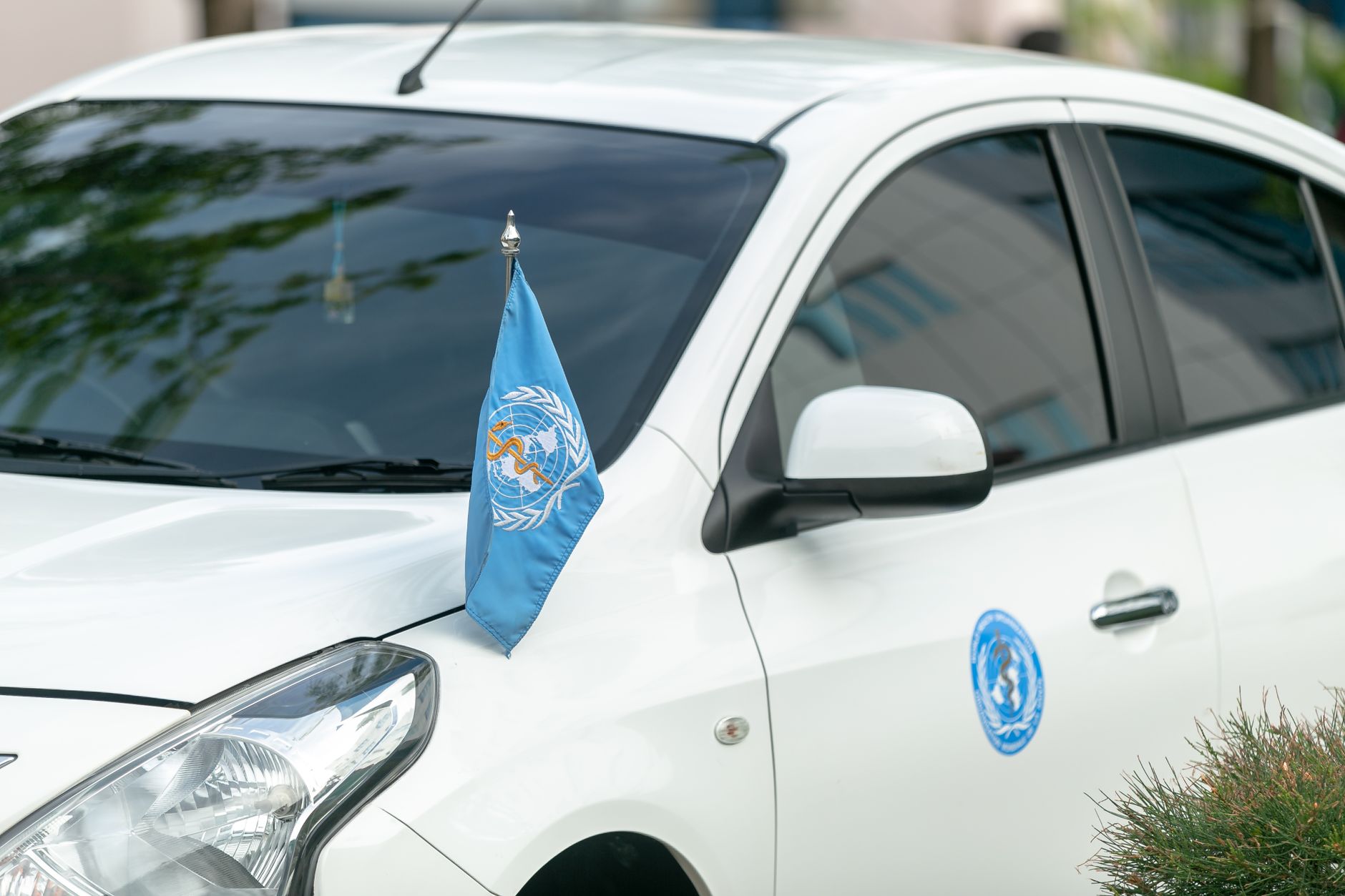
In a move that underscores the urgent need for robust health infrastructure, the World Health Organisation (WHO) and its Member States in the South-East Asia region are set to expand their emergency health fund. This decision emerges as a focal point at the annual regional meeting, where health ministers aim to treble the South-East Asia Regional Health Emergency Fund (SEARHEF) to $3 million by 2026.
The expansion of SEARHEF is not merely a financial adjustment but a strategic necessity. With a quarter of the world’s population residing in this region, the potential impact of health emergencies can be devastating. The increased fund is expected to enhance preparedness and response capabilities, particularly in tackling challenges like antimicrobial resistance (AMR) and ensuring healthy ageing among the growing elderly population.
Antimicrobial Resistance: A Global Concern
Antimicrobial resistance, a silent pandemic, poses a significant threat to global health. In the South-East Asia region, where healthcare systems often grapple with resource constraints, the fight against AMR is intensifying. By bolstering SEARHEF, the WHO and its Member States are signalling their commitment to address this looming crisis head-on. Enhanced risk assessment and higher investment in multi-sectoral plans form the cornerstone of this initiative.
Healthy Ageing: Preparing for the Future
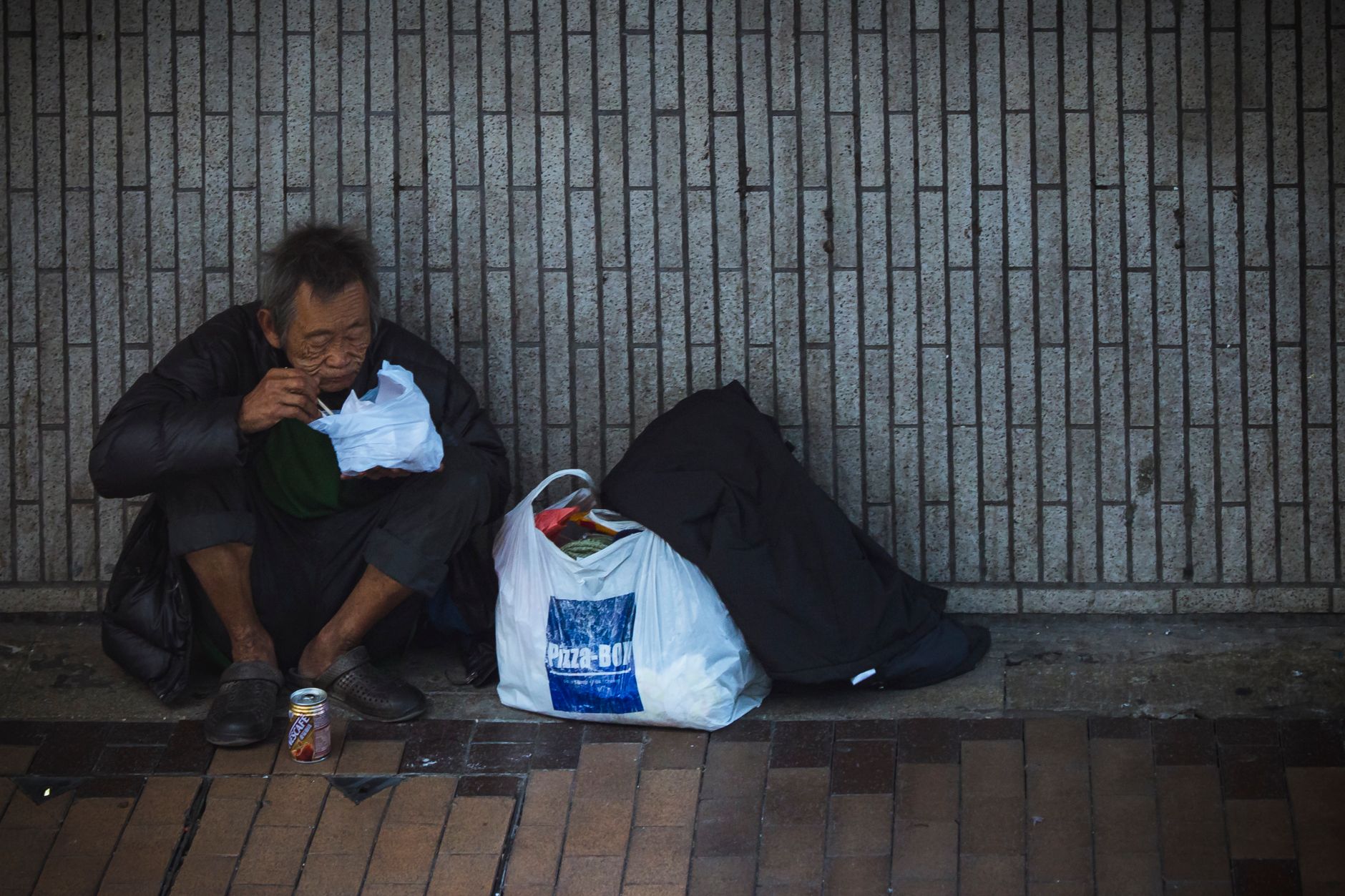
A rapidly ageing demographic adds another layer of complexity to the region's health landscape. The adoption of a declaration on healthy ageing is expected during the meeting, reflecting the need for sustainable solutions for an ageing populace. This focus on elder care is essential, given the increasing proportion of individuals above 60 years, necessitating comprehensive healthcare strategies.
The discussions at the WHO meeting highlight a pivotal moment for South-East Asia. By scaling up the emergency fund and addressing pressing health issues, the region is taking decisive steps towards a healthier future. As these nations rally together, the WHO’s initiative serves as a reminder that in the realm of global health, preparedness is not just advisable—it is imperative.