WHO Introduces First-Ever Guidelines for Ebola and Marburg Management
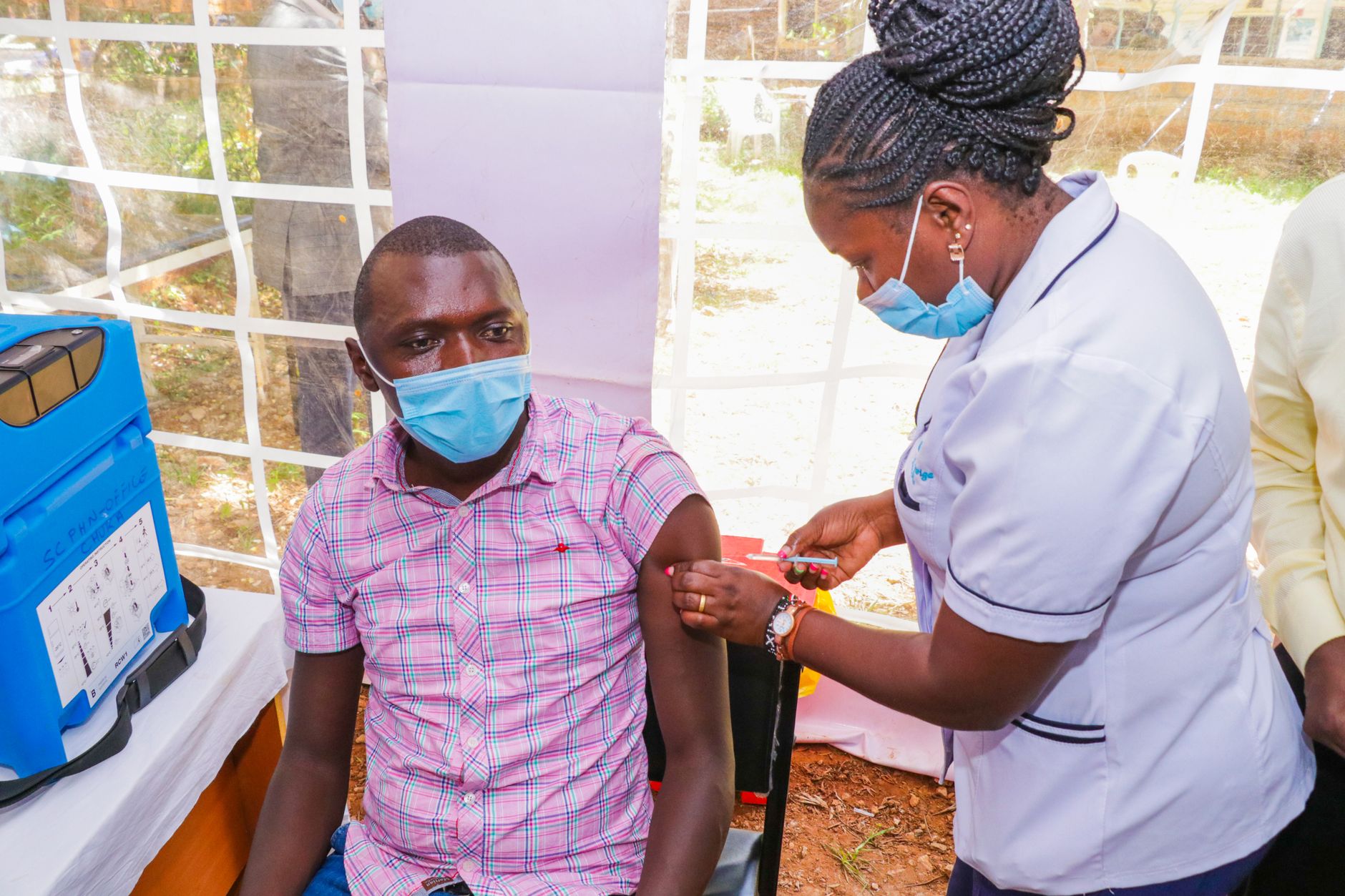
In a significant stride towards combating deadly viral outbreaks, the World Health Organisation has rolled out its first comprehensive clinical guidelines for the treatment and management of filovirus diseases, notably Ebola and Marburg. This development marks a pivotal moment in the global health community's ongoing battle against these highly infectious viruses.
Filovirus diseases, with their daunting case fatality rates ranging from 25% to an alarming 90%, have long been a scourge in parts of Africa. The new guidelines are designed to address the complexities of managing these diseases, offering a unified approach that spans clinical care, therapeutic strategies, and outbreak response.
A Unified Strategy
The guidelines come at a time when outbreaks of Ebola and Marburg continue to disrupt communities, creating not only public health emergencies but also sowing fear and mistrust. By standardising treatment protocols, WHO aims to enhance the efficacy of response efforts and build greater confidence in health interventions among affected populations.
These guidelines provide healthcare workers with a practical roadmap, detailing everything from patient care and infection prevention to community engagement and recovery. This holistic approach is intended to minimise the mortality and morbidity associated with these outbreaks, ultimately saving lives.
Implications for the Future
Dr. Tedros Adhanom Ghebreyesus, WHO Director-General, emphasised the significance of these guidelines, stating, "This is a crucial step in ensuring that healthcare workers across the globe have the tools they need to effectively manage and treat Ebola and Marburg diseases."
While the implementation of these guidelines presents logistical challenges, particularly in resource-limited settings, the potential benefits are enormous. As the world becomes increasingly interconnected, the threat of viral outbreaks looms large, underscoring the importance of a coordinated global response.
In conclusion, WHO's initiative is not only a testament to the progress in understanding and managing filovirus diseases but also a reminder of the relentless nature of these viruses. As countries work towards adopting these guidelines, the hope is that they will lead to more resilient health systems and better outcomes for those afflicted by these devastating diseases.