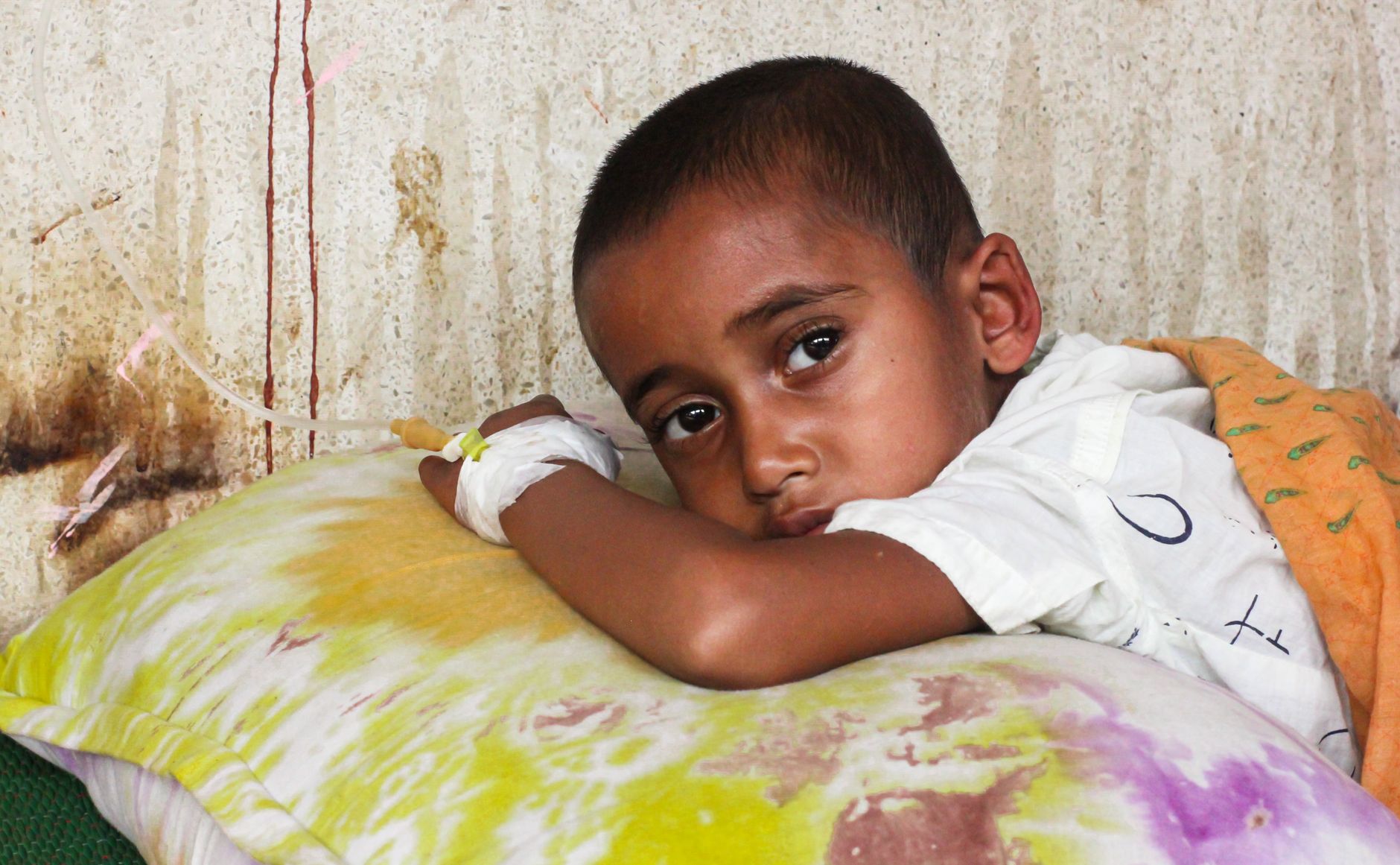
WHO Raises Alarm Over Ebola Crisis in Congo and Uganda
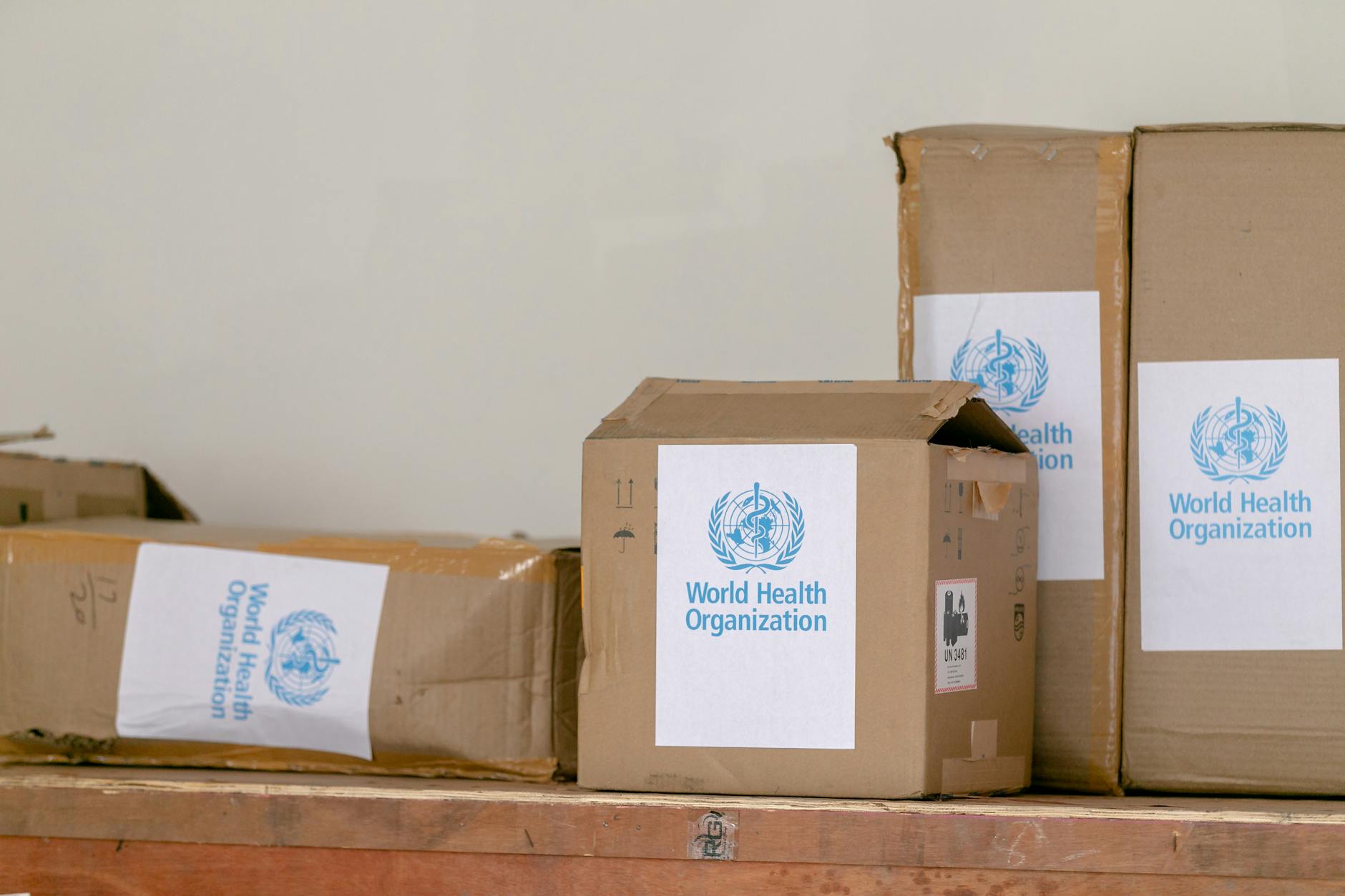
In a stark reminder of the persistent threat posed by infectious diseases, the World Health Organisation (WHO) has declared the ongoing Ebola outbreak in the Democratic Republic of Congo and Uganda a 'public health emergency of international concern'. This designation, often abbreviated as PHEIC, is only employed when the situation demands a coordinated international response.
The outbreak, attributed to the Bundibugyo strain of the Ebola virus, has resulted in nearly 90 recorded fatalities. The situation became particularly alarming after the death of a 59-year-old Congolese man in Kampala, Uganda, who succumbed to the virus just days after being hospitalised.
A Cross-Border Challenge
The geographic span of this outbreak, affecting both Congo and Uganda, complicates containment efforts. Cross-border transmission of the virus presents significant challenges, not least due to the porous borders and the high mobility of the population in the region. The WHO's declaration is a clarion call for international cooperation, urging governments and health organisations worldwide to come together to assist in managing the outbreak.
Dr. Tedros Adhanom Ghebreyesus, the WHO's Director-General, highlighted the urgency of the situation, stating that the virus's spread must be halted swiftly to prevent a wider epidemic. He urged for increased funding, medical personnel, and resources to be mobilised to the affected areas.
Historical Context and Response
This is not the first time the region has faced such a crisis. Past outbreaks have shown that early detection and rapid response are crucial in preventing widespread transmission. Vaccination campaigns, public awareness efforts, and robust health infrastructure are essential components of an effective response strategy.
Local health authorities, alongside international partners, are working tirelessly to implement these strategies. However, the road ahead is fraught with challenges, not least the logistical difficulties in remote areas, cultural resistance to medical interventions, and the need for sustained financial support.
As the world watches, the hope is that lessons learned from past outbreaks will inform current efforts, helping to contain the virus and prevent further loss of life. The WHO's declaration serves as a sobering reminder of the global interconnectedness of health issues and the critical need for collective action.