WHO Sounds Alarm on Ebola Crisis in Congo and Uganda
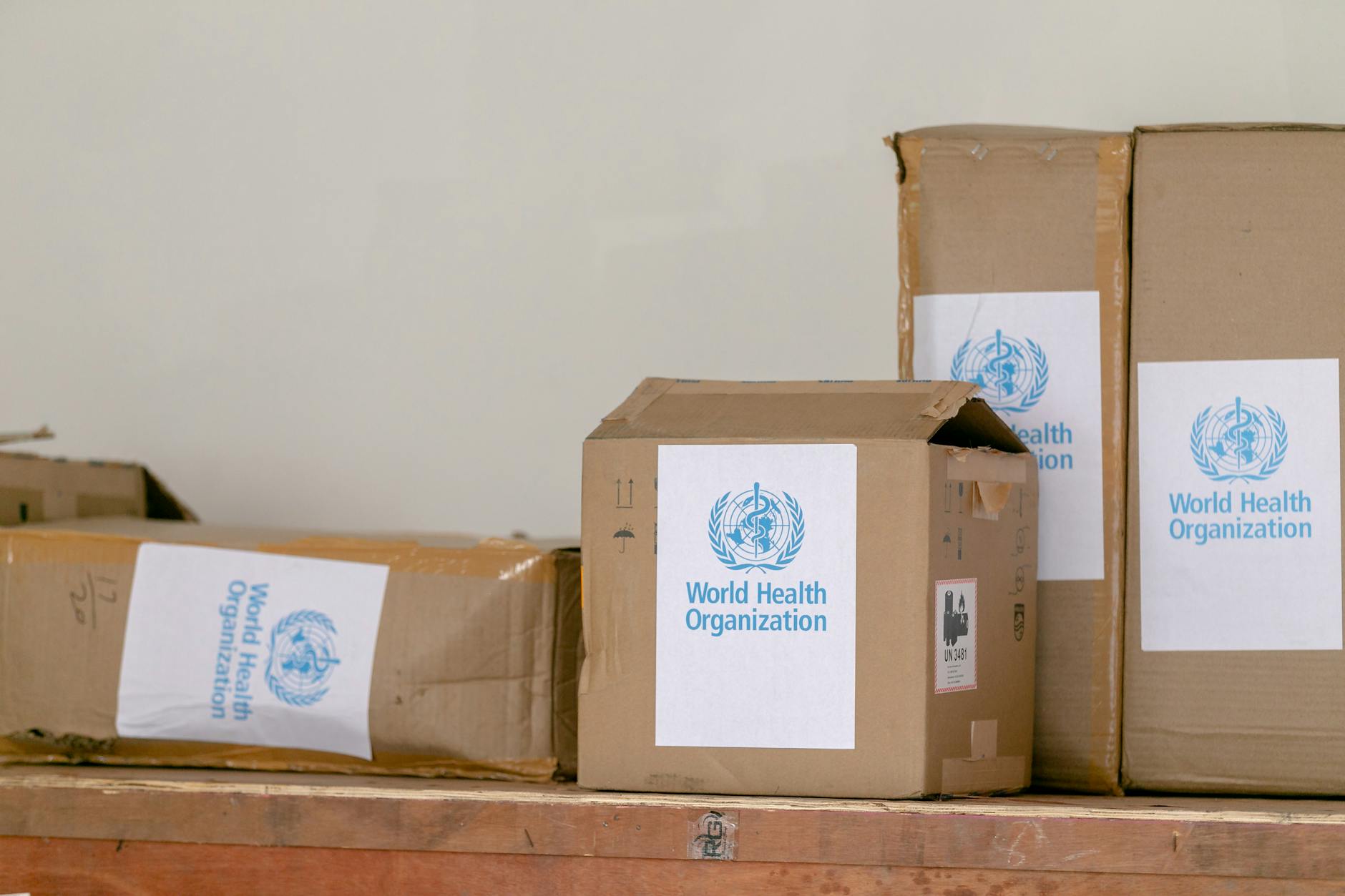
In a stark reminder of the persistent threat posed by infectious diseases, the World Health Organisation has declared the Ebola outbreak in Congo and Uganda a public health emergency of international concern. This announcement came as the virus breached the borders of the remote mining regions where it was initially identified, infiltrating the bustling capitals of Kampala and Kinshasa.
Over 300 suspected cases have emerged, with 88 lives already claimed by the deadly virus. The WHO's declaration, made by Director-General Tedros Adhanom Ghebreyesus, highlights the critical need for a coordinated international effort to stem the tide of this outbreak. Despite not being classified as a pandemic, the significance of this declaration cannot be understated.
The Ebola virus, notorious for its high fatality rate and rapid transmission, presents a formidable challenge to health infrastructures, particularly in nations like Congo and Uganda, where resources are already strained. The virus's spread to densely populated urban areas raises the spectre of a more widespread crisis, one which the international community must work swiftly to avert.
Why This Matters
The declaration as a 'public health emergency of international concern' is not merely a bureaucratic label. It is a clarion call for action. Such a designation necessitates a global mobilisation of resources, expertise, and funding to tackle the outbreak effectively. It also places a spotlight on the affected regions, potentially accelerating the deployment of medical aid and bolstering efforts to contain the virus.
Historically, Ebola outbreaks have been challenging to control. The virus's ability to spread through human-to-human transmission, coupled with its severe symptoms, makes rapid response crucial. The lessons learned from past outbreaks underscore the importance of community engagement, robust healthcare systems, and international collaboration in combating such threats.
As the world grapples with this latest health emergency, the focus will be on containing the virus's spread, treating those affected, and preventing future outbreaks. The international community's response will be pivotal in determining the trajectory of this crisis.
A Call to Action
While the WHO's announcement serves as a sobering reminder of the challenges ahead, it also presents an opportunity for global solidarity. By combining efforts, sharing knowledge, and deploying resources effectively, there is hope that this outbreak can be brought under control.
The stakes are high, and the world is watching. The success of the international response will not only impact the lives of those in Congo and Uganda but will also set a precedent for handling future health emergencies.