WHO South-East Asia Pushes to Eliminate Mercury in Dental Care
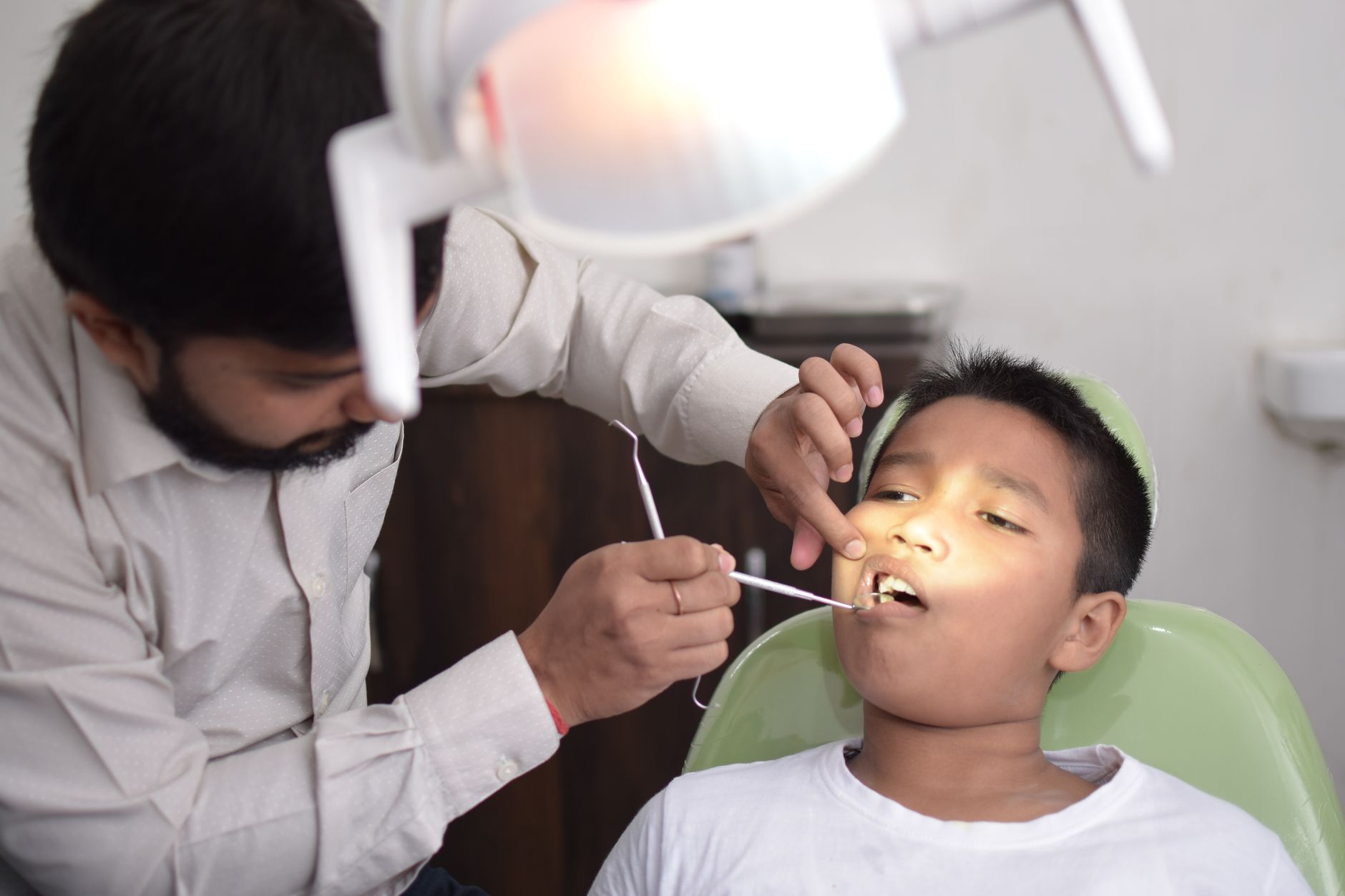
The gleaming corridors of WHO South-East Asia's headquarters reverberated with a renewed sense of purpose this week as policymakers and health experts gathered to tackle an issue of pressing ecological and medical consequence. The focus: phasing out mercury-containing dental amalgam by 2034, an initiative that aligns with the Minamata Convention on Mercury.
Mercury, a potent neurotoxin, has been a staple in dental amalgams for over 150 years, prized for its durability and cost-effectiveness. Yet, its environmental impact and potential health risks have prompted a global call to action. WHO's regional office is spearheading efforts to transition towards safer, sustainable alternatives in dental care.
Environmental and Health Implications
The dangers of mercury are well-documented. It bioaccumulates in ecosystems, posing significant threats to wildlife and, ultimately, human health through the food chain. In dental care, mercury's role in amalgams has been scrutinised, with growing evidence suggesting possible health risks to dental professionals and patients alike.
The Bangkok Declaration, a landmark document underscoring global commitment to environmental protection, has galvanised WHO's latest initiative. By strengthening cross-sectoral collaboration, the region aims to not only mitigate mercury's environmental footprint but also encourage innovation in dental materials.
Challenges and the Road Ahead
Despite the noble intent, the transition is fraught with challenges. Many dental practitioners in the region continue to rely on mercury amalgams, citing their affordability and long-standing efficacy. However, WHO's guidance on environmentally friendly and less invasive oral health care seeks to dispel these apprehensions by promoting viable alternatives.
Singapore has already embarked on a gradual reduction, prioritising patient care while exploring mercury-free options. This mirrors efforts across South-East Asia, where countries are encouraged to adopt evidence-based recommendations to prevent and manage dental caries sustainably.
The WHO's commitment represents a pivotal moment in public health and environmental stewardship. As South-East Asia steps up its efforts, the global dental community watches closely, hopeful that these initiatives will usher in a new era of safer, eco-friendly dental practices.