WHO Weighs Experimental Vaccines Amid DRC Ebola Surge
In a rapidly escalating health crisis, the Democratic Republic of the Congo (DRC) finds itself grappling with a surge in Ebola cases, as the World Health Organization (WHO) contemplates the use of experimental vaccines. The outbreak, centred in the eastern regions of the country, has already claimed 131 lives, with 513 suspected cases reported.
The urgency is palpable. WHO's Director-General has expressed grave concerns over both the speed and scale of the outbreak, indicating that extraordinary measures may be necessary. The current arsenal against Ebola includes the VSV-EBOV vaccine, which has been deployed successfully in past outbreaks. However, given the sheer volume of new cases, WHO is exploring additional options, including vaccines still in the experimental phase.
Vaccination Strategy Under Scrutiny
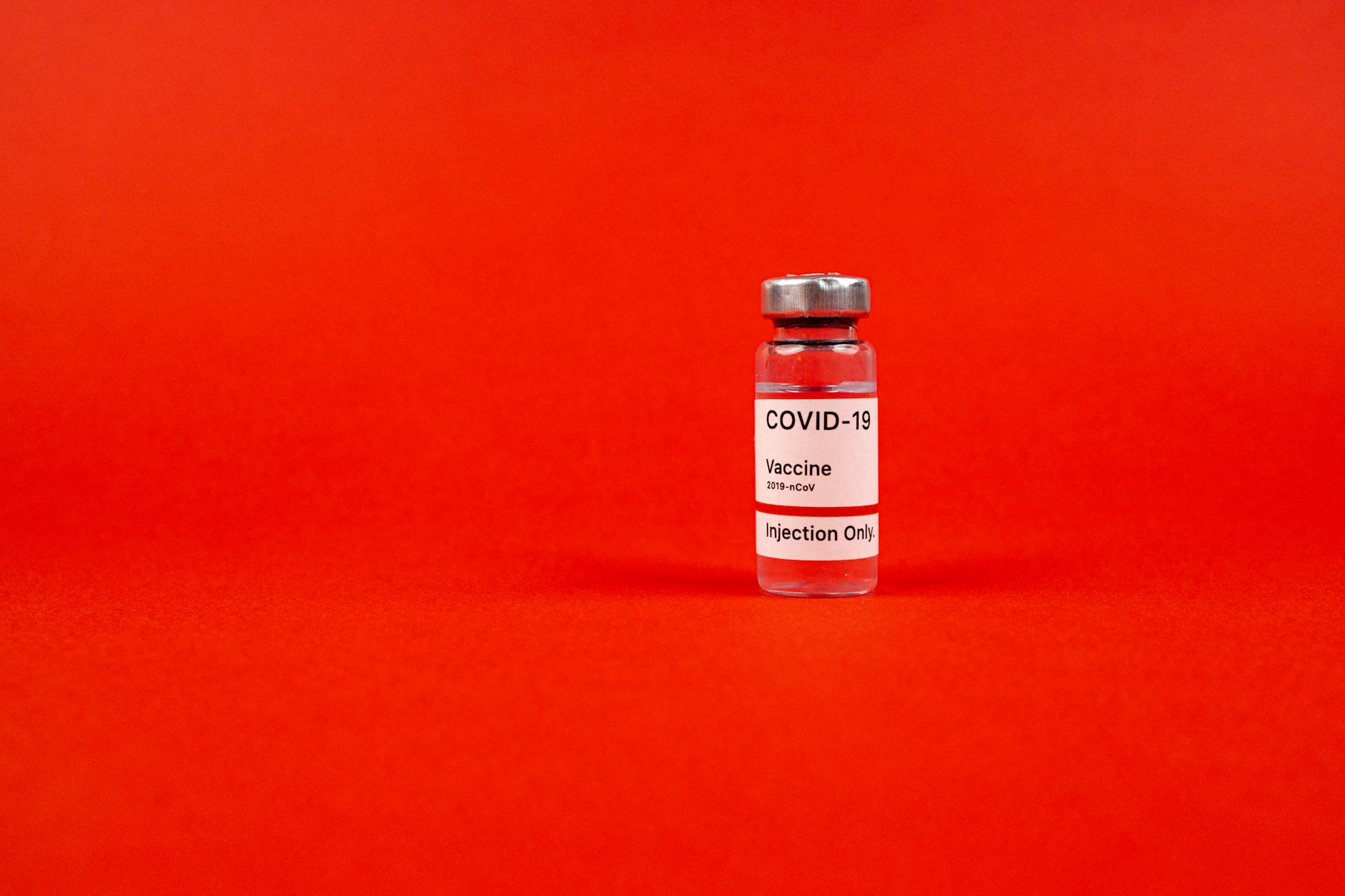
The existing supply of the VSV-EBOV vaccine, manufactured by Merck, is deemed sufficient for the immediate needs, with 245,000 doses available and an additional stockpile of 190,000 doses ready for dispatch. Yet, as the virus continues to spread, the potential inclusion of experimental vaccines could bolster the immunisation strategy, providing a broader defence against the evolving threat.
While the prospect of using unproven vaccines might raise eyebrows, it underscores the gravity of the situation. The DRC's health ministry is working closely with global partners, ensuring that any deployment of experimental treatments adheres to rigorous safety protocols.
A Global Health Challenge
Ebola remains one of the most fearsome viral diseases, characterised by severe fever and, in dire cases, uncontrollable bleeding. Transmitted through direct contact with bodily fluids, it poses a significant risk to those in close contact with the infected, particularly healthcare workers and family members.
The outbreak in the DRC is not an isolated incident. The region has a history of recurrent Ebola outbreaks, often exacerbated by socio-political instability and limited healthcare infrastructure. The international community's response, therefore, is not just a medical imperative but a humanitarian one. As WHO weighs its options, the world watches closely, hoping for a swift and effective resolution.