WHO's New Guidelines Aim to Mitigate Heat-Related Health Risks
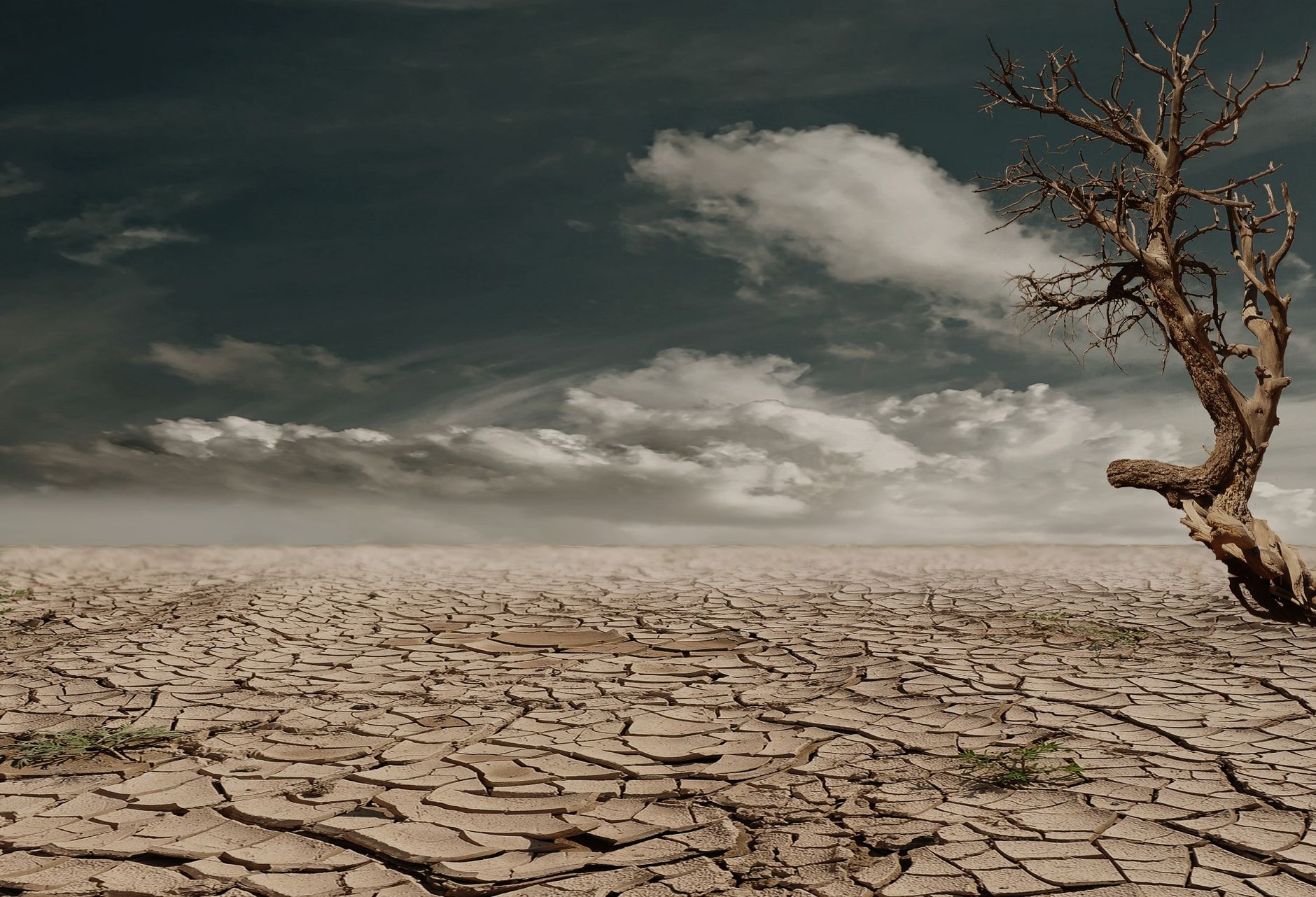
As the mercury continues its relentless climb, the World Health Organisation (WHO) has issued a clarion call to nations worldwide. The newly released guidance on Heat-Health Action Plans is designed to arm governments with the necessary tools to tackle the mounting threat posed by heatwaves. These plans are more than mere suggestions; they are comprehensive frameworks that aim to protect vulnerable populations from the dire consequences of extreme heat.
According to WHO, the updated guidance includes a range of strategies, from improving early warning systems to increasing public awareness and enhancing infrastructure resilience. With climate change pushing temperatures to record highs, the need for such measures has never been more acute. The guidance is a timely intervention, urging governments to adopt proactive measures rather than reactive responses.
The Global Implications
Heatwaves have become an increasingly common phenomenon, affecting millions globally. In regions unaccustomed to soaring temperatures, the impact can be devastating, leading to heat-related illnesses and deaths. The WHO's updated guidelines stress the importance of tailored action plans that consider local climate, infrastructure, and population vulnerabilities.
In recent years, Europe and parts of Asia have experienced unprecedented heatwaves, underscoring the necessity for robust planning. The guidance encourages cross-sector collaboration, involving health, environmental, and urban planning sectors to create a cohesive response to heat stress.
Preparing for the Inevitable
While the guidance is a step in the right direction, implementation remains a significant challenge. Developing countries, often lacking in resources and infrastructure, face uphill battles in executing these plans effectively. However, the WHO offers support through training programmes and technical assistance to ensure these plans are not just theoretical but practical and actionable.
The release of this guidance is not just a wake-up call but an opportunity for nations to reassess their current strategies and fortify their defences against a warming world. As temperatures rise, so too does the urgency of action. The WHO's Heat-Health Action Plans are a crucial tool in the global effort to safeguard public health in the face of climate change.