Why Your Fruit Bowl May Not Be as Heart-Healthy as You Think
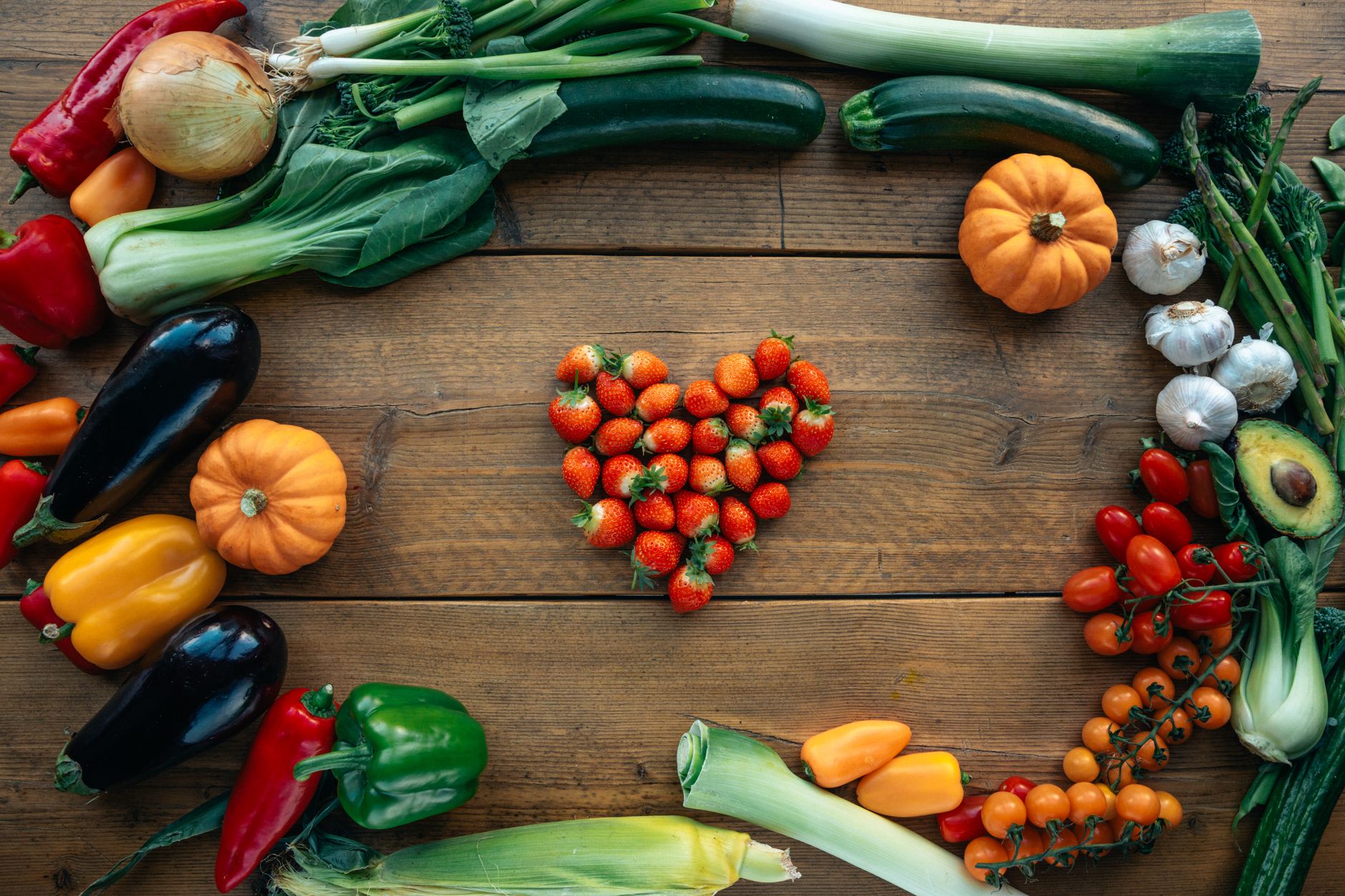
For years, the mantra 'eat your greens' has been at the forefront of dietary advice. Yet, a recent study suggests that not all fruits and vegetables are created equal when it comes to heart health. According to researchers, the specific types of produce you choose could be just as crucial as the quantity consumed.
The study reveals that flavanols, naturally occurring compounds found in various fruits and vegetables, play a pivotal role in cardiovascular health. These bioactives are unevenly distributed across different kinds of produce, meaning that indiscriminate consumption may not necessarily maximise heart health benefits.
The Role of Flavanols
Flavanols are a type of polyphenol, known for their antioxidant properties, which help reduce inflammation and improve blood flow. Foods rich in flavanols include apples, berries, onions, and kale. However, the concentration of these compounds can vary significantly between different fruits and vegetables.
Dr Jane Smith, the lead researcher of the study, emphasised the importance of strategic dietary choices. "While eating more fruits and vegetables is generally beneficial, our findings suggest that focusing on specific types can provide additional cardiovascular advantages," she noted.
Implications for Dietary Guidelines
This research challenges existing nutritional guidelines that often prioritise quantity over quality. It posits that a more tailored approach might be necessary to harness the full potential of a plant-based diet. The study advocates for increased public awareness about the specific health benefits of different fruits and vegetables.
However, the researchers caution against dismissing the general advice to eat more fruits and vegetables altogether. The broader benefits of a diet rich in a variety of produce remain substantial, contributing to overall health beyond cardiovascular concerns.
What This Means for You
For consumers, the takeaway is to be more discerning about their choices. Incorporating a variety of flavanol-rich produce into one's diet could enhance heart health. As the field of nutritional science advances, it becomes increasingly clear that the nuances of diet can have profound effects. The path to a healthier heart, it seems, is not just about eating more plant-based foods, but eating the right ones.