Xi and Putin Forge Alliance Against US Amid Tense Talks
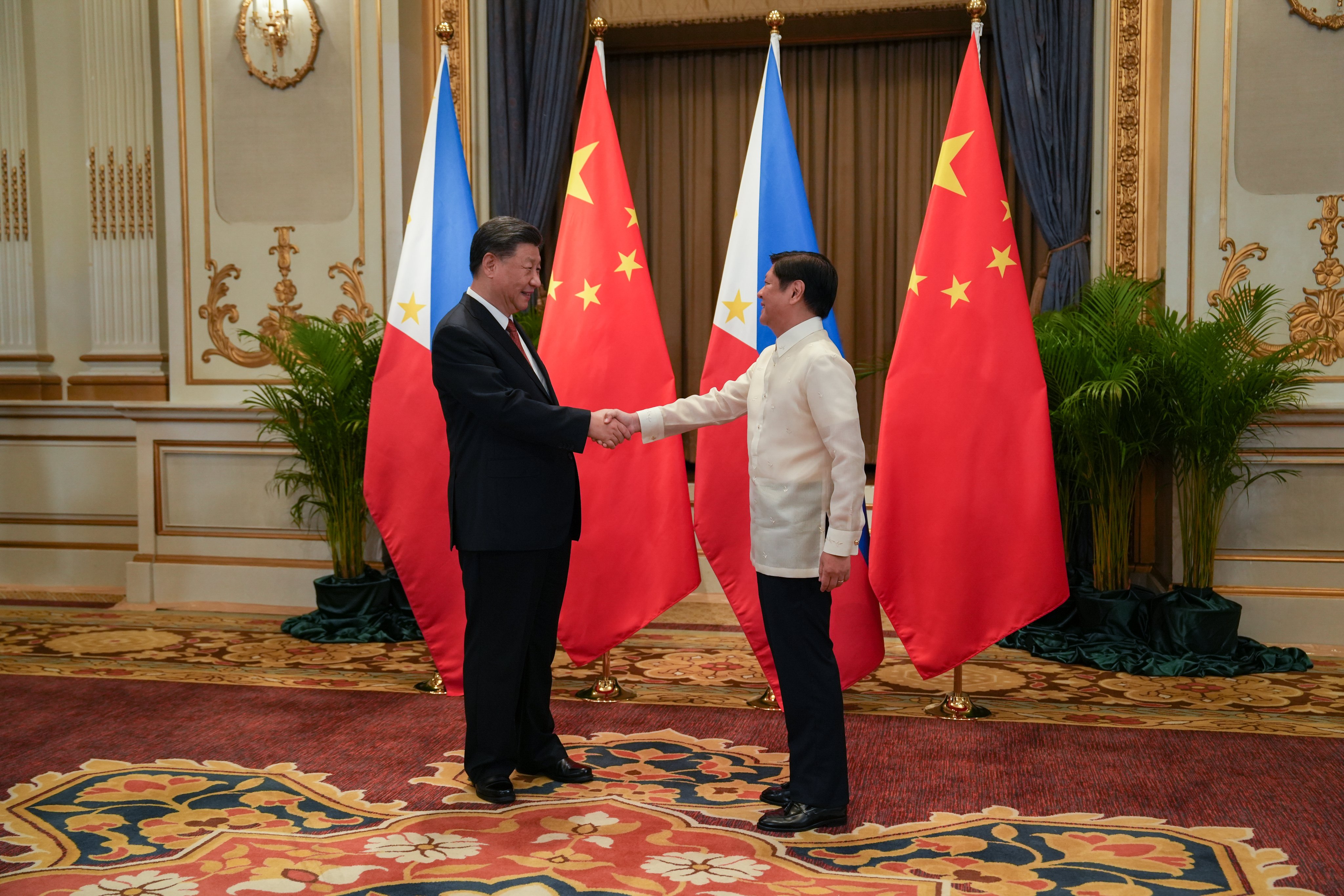
In the grand halls of Beijing, with the world watching, Presidents Xi Jinping and Vladimir Putin stood shoulder to shoulder, projecting a formidable alliance against the United States. The meeting, coming just days after US President Donald Trump's visit to China, was more than a mere diplomatic engagement; it was a calculated message in the theatre of international relations.
While the headlines focused on the optics of Sino-Russian solidarity, the discussions behind closed doors were less straightforward. Despite their public posturing, Xi and Putin found themselves at an impasse over the Power of Siberia 2 gas pipeline—a project intended to deepen their economic ties. The absence of a concrete timeline for the pipeline's launch suggests that beneath the veneer of camaraderie, there remain significant strategic differences.
The meeting began with a 'narrow format' discussion, a euphemism for the sensitive nature of their talks. Russian aides had hoped for a breakthrough, with Putin keen to secure a commitment from Xi. Yet, the Chinese leader, known for his cautious diplomacy, remained non-committal, perhaps wary of over-relying on Russian energy at a time when Beijing is keen to diversify its energy sources.
Analysts suggest that the real significance of this meeting lies not in its immediate outcomes but in the broader geopolitical narrative it frames. By presenting a unified front, Xi and Putin are challenging the traditional US-centric world order, promoting a multipolar world where Beijing and Moscow are seen as equal players alongside Washington.
As the dust settles on this high-profile meeting, the world is left to ponder the implications. The lack of a firm deal on the pipeline may signal limitations in their partnership, but the symbolism of their alliance is unmistakable. In a world rife with shifting alliances, the Sino-Russian bond, however tentative, is a significant counterweight to American influence.