Young Minds Embrace AI at an Accelerated Pace
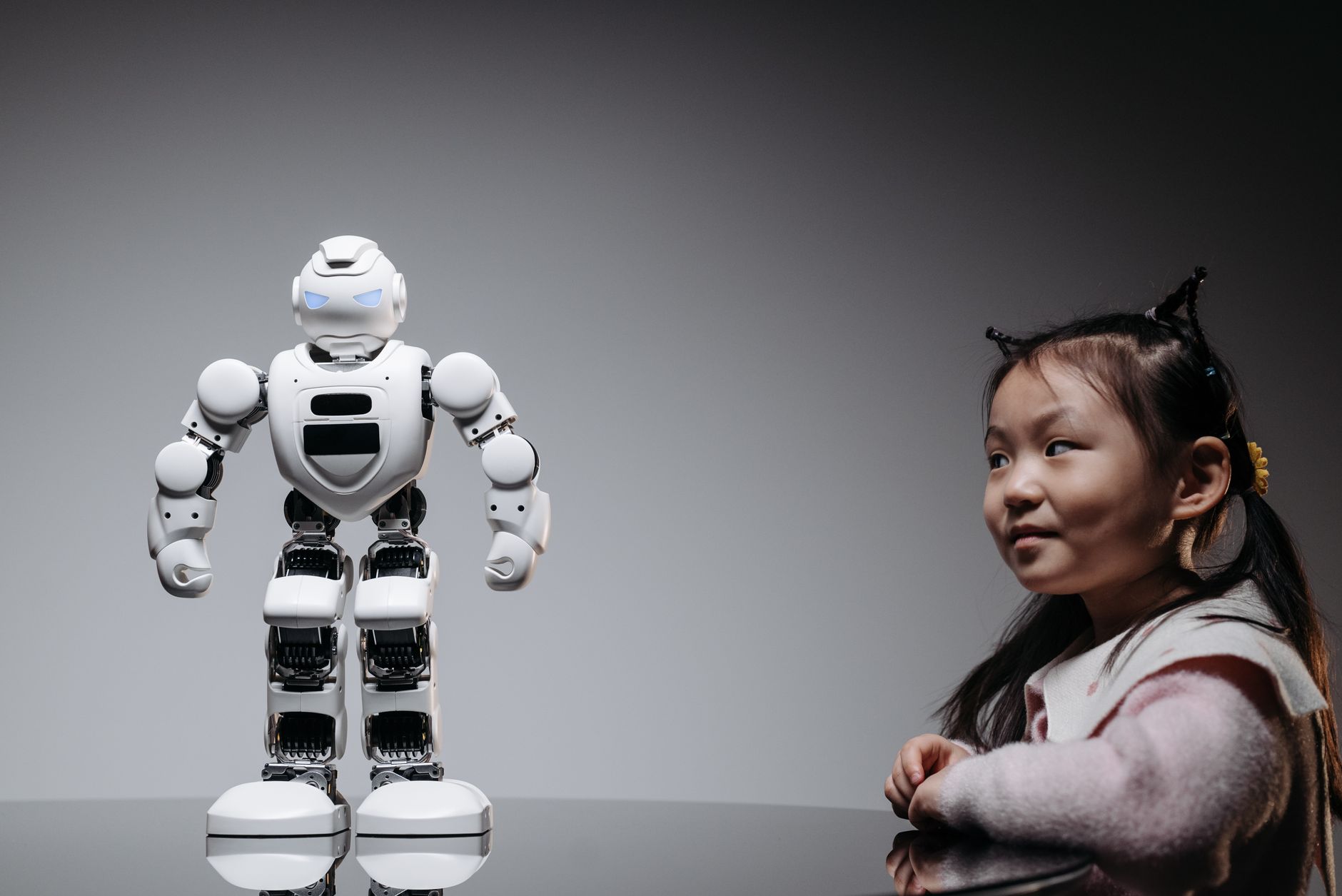
In a world increasingly driven by technology, children are leading the charge in adopting artificial intelligence (AI), outpacing adults at an astonishing rate. A recent UNICEF report reveals that young minds are integrating AI into their daily lives more than three times faster than their adult counterparts. This trend, affecting more than 20 million children across 10 countries, underscores a significant shift in how the next generation interacts with the digital world.
The data suggests that approximately 13 million children are using AI to support their learning and homework, while about two million turn to AI for advice on personal worries. The allure of AI's instant assistance and seemingly infinite knowledge may explain its rapid uptake among the youth, who are often more adaptable to new technologies than adults.
The Double-Edged Sword of AI Adoption
While AI holds promise for enhancing educational tools and providing quick solutions to queries, it also presents challenges. As children's reliance on AI grows, so do concerns about privacy, data security, and the potential for inappropriate content exposure. The existing regulations struggle to keep pace with the swift technological advancements, leaving many questioning whether current child protection measures are adequate.
AI's role in shaping young minds is a double-edged sword. On one hand, it can democratise access to knowledge and personalised learning experiences. On the other, it risks becoming a crutch that diminishes critical thinking and personal interaction skills. The balance between harnessing AI's benefits and safeguarding against its risks is delicate and demands urgent attention from policymakers.
Regulatory Lag and Ethical Concerns
As governments and educational institutions scramble to adapt, the regulatory lag becomes increasingly apparent. Frameworks that govern AI use, particularly concerning children, are often reactive rather than proactive. This lag raises ethical questions about who is responsible for the content AI delivers and how it influences young users.
Experts call for more robust and forward-thinking policies that anticipate technological trends rather than react to them. There's an urgent need for comprehensive strategies that not only protect children but also empower them to use AI responsibly. Ensuring that AI serves as a tool for learning and growth, rather than a vehicle for misinformation or dependency, is essential.
As the debate continues, one thing remains clear: the pace at which children are adopting AI is not slowing down. This generational shift presents both a challenge and an opportunity to redefine education and child welfare in the digital age.