Youthful 'Cockroach' Movement Demands Ministerial Accountability
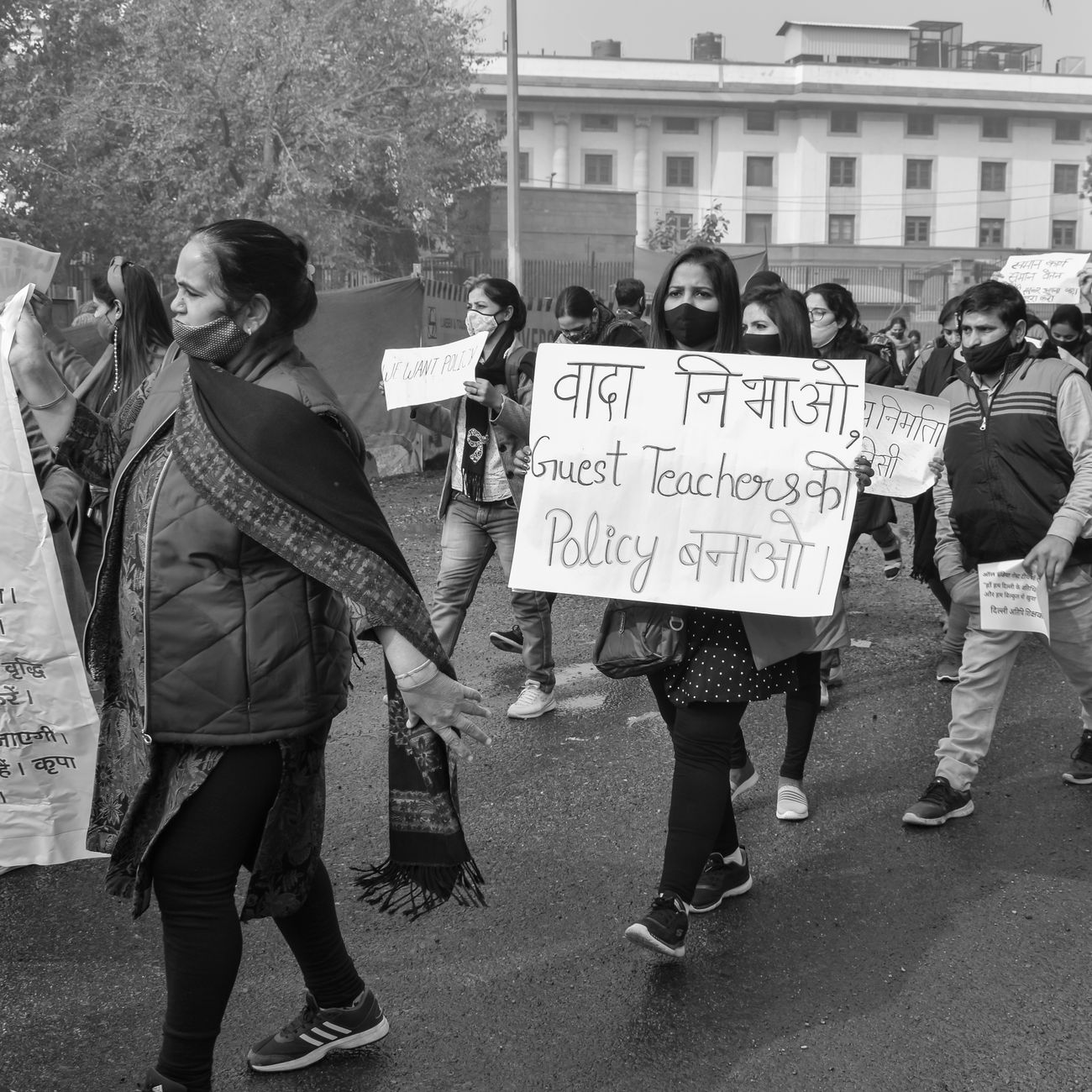
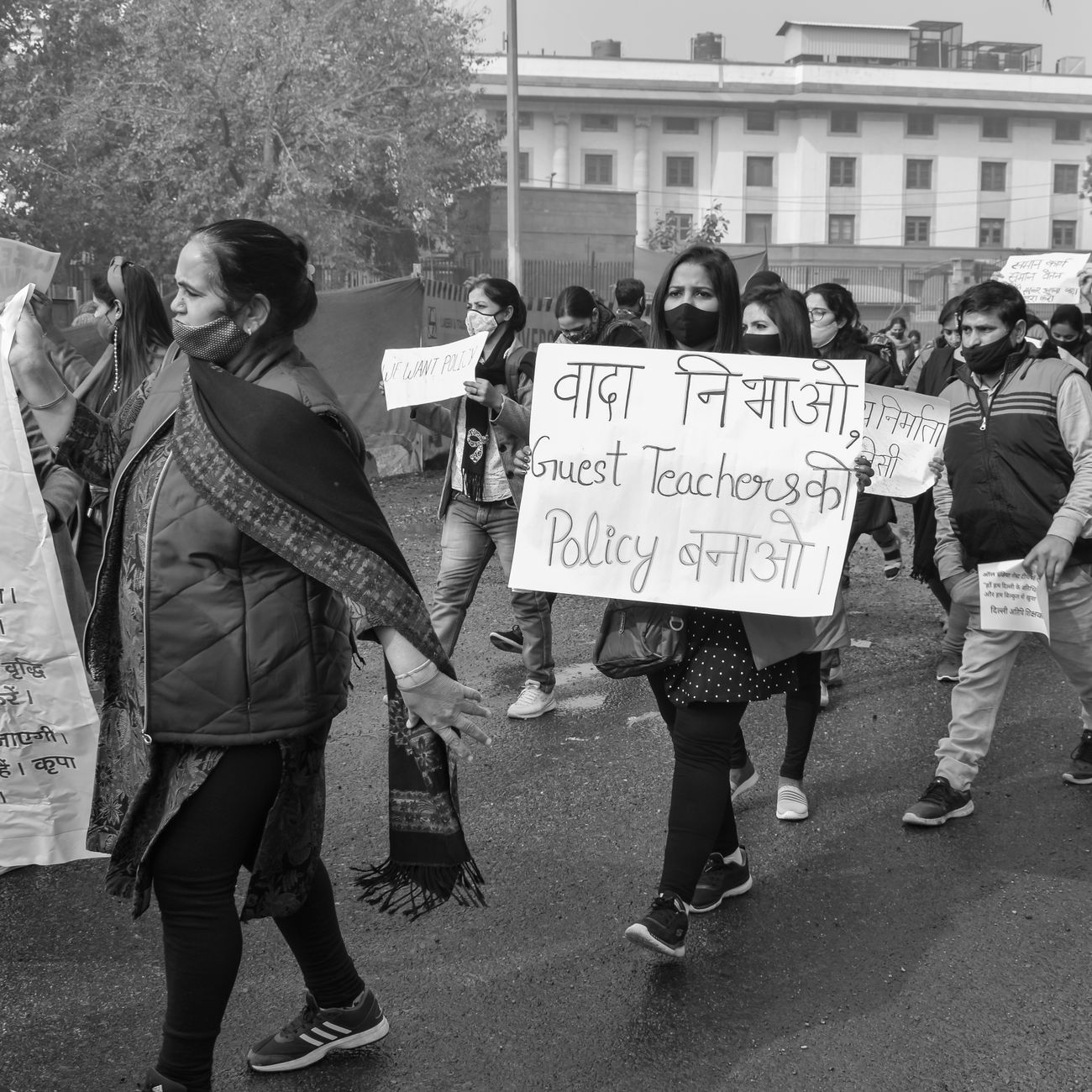
The air in New Delhi reverberates with the clang of steel plates as the 'Cockroach' movement, spearheaded by the Cockroach Janta Party (CJP), demands the resignation of Education Minister Dharmendra Pradhan. At the heart of this protest lies a growing discontent among India's youth over alleged examination irregularities and repeated paper leaks, which they claim have marred the credibility of the educational system.
The protestors, predominantly young students, have camped out near Parliament, a location that has become synonymous with dissent. The movement, which has gained traction on social media, exemplifies the power of digital mobilisation in modern political discourse. The protestors, armed with spoons and steel plates, have created a cacophony that they hope will not only echo through the corridors of power but also resonate with the broader populace.
The demands are clear: accountability and transparency. The CJP, a nascent but rapidly growing political entity, insists that the minister must step down to restore faith in the examination process. Their methods—unconventional yet symbolic—reflect a burgeoning frustration with the status quo, particularly among the younger demographic who feel disenfranchised by systemic failures.
Political Implications
The protest's implications extend beyond the educational sphere, posing a challenge to the current administration's handling of grievances. The movement's insistence on immediate action has placed additional pressure on Prime Minister Narendra Modi's government, which is already grappling with multiple fronts of criticism.
As the protest continues, it is likely to attract more attention both nationally and internationally. The potential for this movement to influence broader political dynamics should not be underestimated, as it taps into a wider sentiment of disillusionment with political leadership.
While the government has yet to issue a formal response, the persistence of the protestors suggests that the issue will not fade quietly into the background. Instead, it stands as a testament to the growing impatience for reform among India's youth. Whether this movement can catalyse tangible change remains uncertain, but its impact on the public consciousness is undeniable.