3D Tumour Atlases: Unveiling the Mysteries of Cancer
In the labyrinthine world of cancer research, a groundbreaking innovation has emerged. The creation of 3D multi-omics tumour atlases is poised to revolutionise our understanding of tumour biology. These comprehensive maps are not mere two-dimensional charts but intricate three-dimensional constructions that integrate spatial data with genetic and molecular information.
At the heart of this advancement lies the ability to dissect the tumour microenvironment with unprecedented detail. Scientists can now visualise how various cellular players interact within the tumour, offering insights that were previously unimaginable. This new perspective is akin to upgrading from a flat map to a fully immersive virtual tour, allowing researchers to uncover the hidden dynamics at play.
What makes these atlases particularly transformative is their potential to influence clinical practice. By providing a clearer picture of the tumour's architecture, clinicians can develop more targeted and personalised treatment plans. The traditional one-size-fits-all approach to cancer treatment is giving way to strategies tailored to the unique genetic and molecular fingerprint of each tumour.
As this technology continues to evolve, it holds the promise of unveiling the biological secrets of cancer. The integration of spatial multi-omics data offers a richer narrative of tumour development and progression, giving researchers the tools to predict how tumours might respond to different therapies.
The Path to Clinical Translation
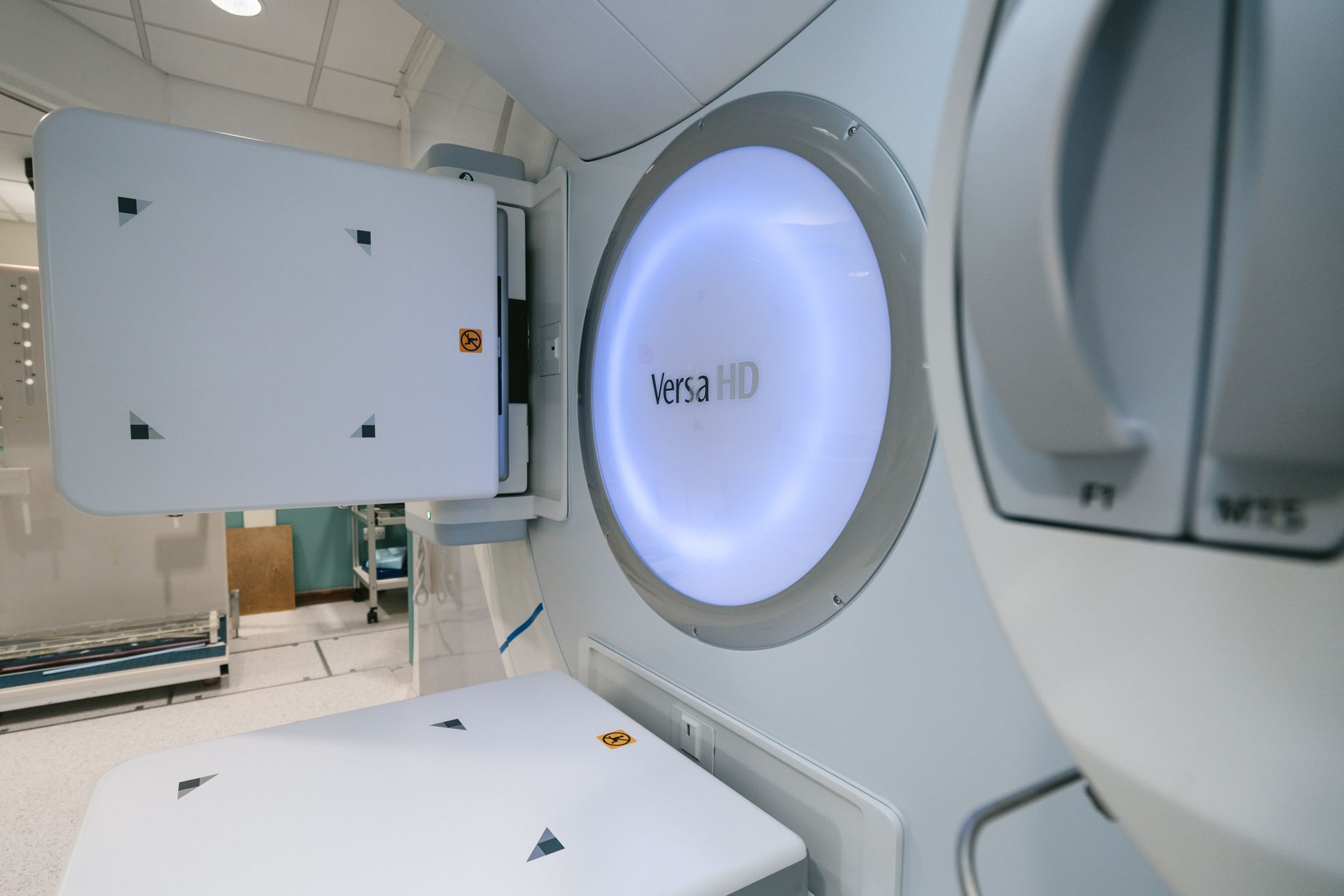
The journey from cutting-edge technology to routine clinical application is fraught with challenges. However, the potential benefits are staggering. By leveraging these atlases, oncologists could enhance their diagnostic capabilities and treatment efficacy, potentially improving patient outcomes significantly.
While the road ahead is long, the foundation laid by these 3D tumour atlases could herald a new era in cancer treatment. As researchers continue to refine these tools, they bring us closer to a future where cancer is not merely treated, but understood in its entirety.