Xi Jinping Calls for Global AI Collaboration at Shanghai Conference

In a striking appeal for international cooperation, Chinese President Xi Jinping articulated a vision of artificial intelligence (AI) development as a collective endeavour rather than the pursuit of any single nation. Speaking at the World Artificial Intelligence Conference in Shanghai, Xi underscored the need for a collaborative approach, likening AI advancement to a 'symphony' rather than a 'solo performance'.
This statement, delivered in the bustling metropolis of Shanghai, is more than just rhetoric. It reflects China's broader strategy to position itself as a leader in the burgeoning field of AI. By advocating for 'openness and win-win cooperation', Xi is casting Beijing as a facilitator of shared technological progress. His remarks suggest a willingness to offer China's AI expertise to developing countries, a move that could bolster China's influence while promoting technological inclusivity.
China's AI Ambitions
China's push for global cooperation in AI is not without its strategic motives. By extending its technology and training resources to friendly nations, China hopes to create a network of allies that can help shape the future of AI. This international outreach is intended to complement its domestic ambitions, where China is already making significant strides in AI research and application.
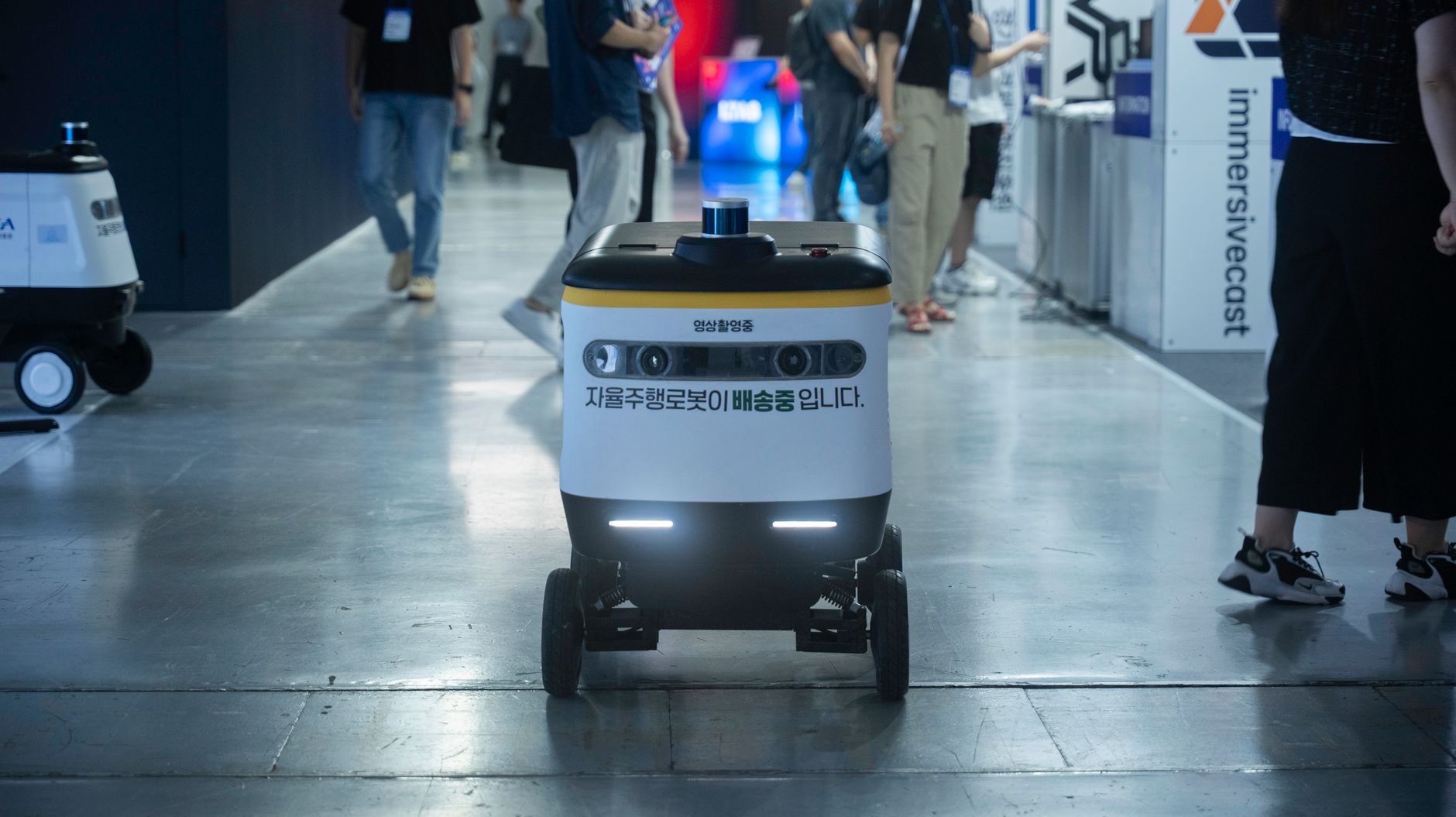
The conference in Shanghai showcased an array of advancements, highlighting China's commitment to becoming a global AI powerhouse. However, Xi's call for collaboration also acknowledges the challenges and risks associated with AI development, including ethical considerations and potential misuse.
A Global Challenge
Xi's message comes at a time when the global AI landscape is marked by rapid advancements and fierce competition. The United States and European nations are investing heavily in AI, seeking to maintain a competitive edge. In this context, Xi's appeal for cooperation may also be seen as a strategic counterbalance to Western dominance in technology.
By framing AI development as a 'symphony', Xi is urging nations to harmonise their efforts, fostering a global environment where innovation can thrive without leading to geopolitical tensions. This vision of collective progress challenges the notion of tech sovereignty, advocating instead for a future where technological prowess serves the common good rather than nationalistic agendas.