Robotic Tech Revolutionises Dressing: A Hands-Free Future
In the bustling city of Daejeon, a team of researchers from South Korea and the United States have unveiled a groundbreaking robotic technology that may just change the way we dress. The collaboration between KAIST and Stanford University has led to the development of a robot that can clothe a person without the need for hands-on assistance.
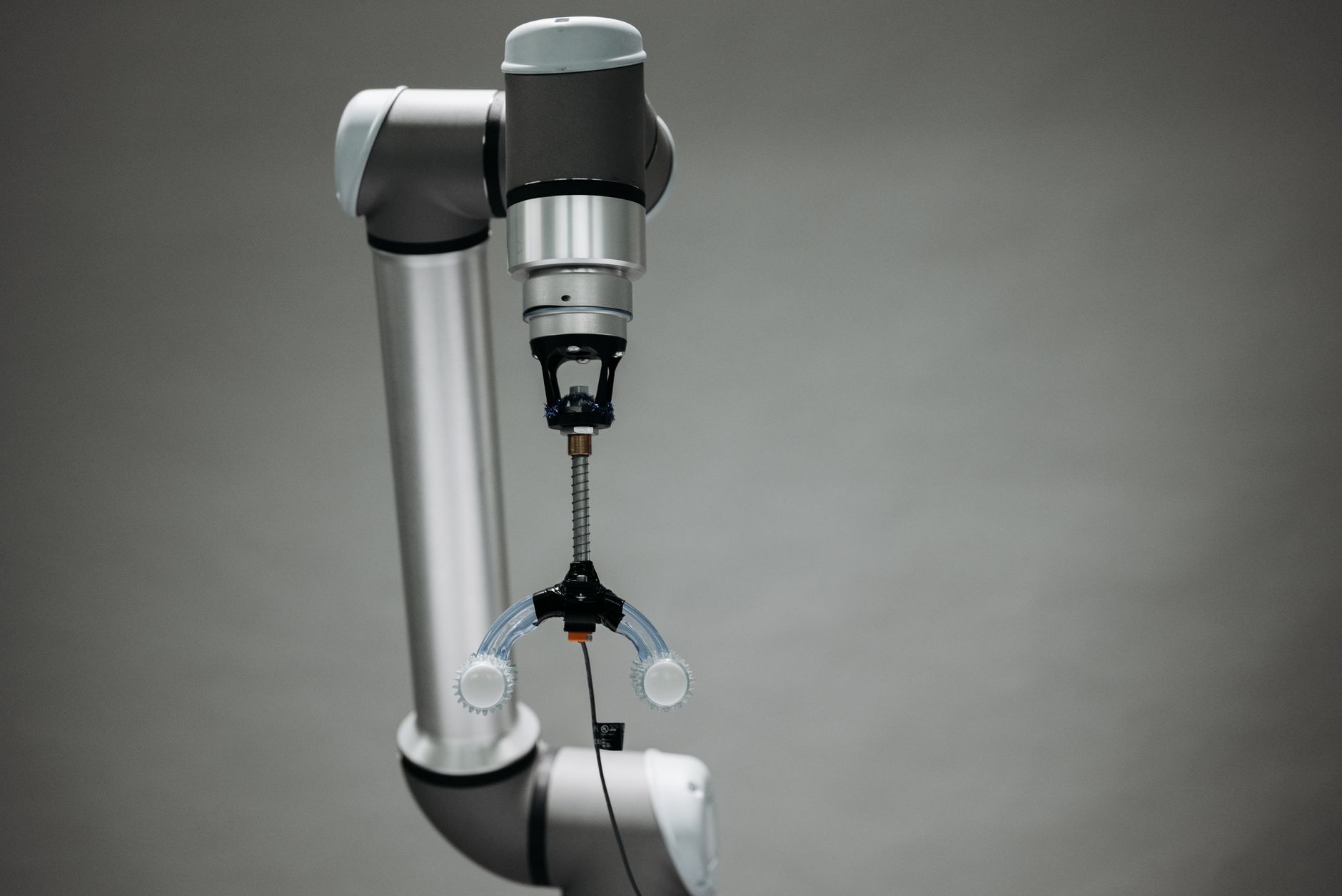
This remarkable invention, known as the 'liana robot', employs soft and flexible robotic 'vines' that wrap around the wearer, helping them dress in a manner that is both efficient and precise. The technology is not merely a novelty; it has the potential to transform industries where precision and sterility are paramount, such as in chip manufacturing cleanrooms and emergency services where time is of the essence.
Technological Triumph or Mere Convenience?
The implications of such a development are manifold. For industries that rely heavily on precision and cleanliness, this could mean a significant reduction in human error. In emergency services, where every second counts, the ability to dress quickly and efficiently could save lives. However, as with all technological advancements, it raises questions about the future role of humans in such environments.
According to the researchers, the robot's design draws inspiration from the natural world, mimicking the way vines grow and wrap around objects. This biomimicry allows the robot to be both gentle and effective, ensuring that the wearer is dressed without discomfort or delay.
The Road Ahead
While the technology is still in its nascent stages, the enthusiasm surrounding it is palpable. Companies like Tesollo, known for its dexterous robotic hands, are at the forefront of integrating such innovations into industrial and humanoid systems. As this technology advances, it poses intriguing questions about the future of robotics in everyday life.
For now, the liana robot remains a testament to human ingenuity, bridging the gap between science fiction and reality. Whether it will become a staple in our daily routine or remain a specialised tool in industry and emergency services, only time will reveal. Yet, the promise it holds is undeniable, marking the dawn of a potentially hands-free future.