Affluent Consumers' Impact Outweighs Global Climate Funding Deficits
The environmental impact of the world's wealthiest 10% is nothing short of staggering, with damages they inflict exceeding the financial gaps in global climate and biodiversity funding. According to a study conducted by researchers from the UK and the Netherlands, this affluent demographic is responsible for ecological harm valued at an eye-watering $1.7 to $5.7 trillion annually. A sum that dwarfs the funding needed to address climate change and biodiversity loss by 2035.
These findings cast a harsh light on consumption habits that extend far beyond mere extravagance. The highest consuming individuals, predominantly residing in the United States and European Union, are inadvertently funding ecological degradation on a scale that surpasses the GDP of many nations. Their carbon footprints and resource demands are transgressing planetary boundaries, with broader society bearing the costs.
Conspicuous Consumption
This is not just a tale of numbers. It's a narrative about responsibility and the urgent need for policy interventions tailored to high-impact consumers. While the majority of the global population grapples with the immediate repercussions of climate change, such as extreme weather and food insecurity, the economic elite's unchecked consumption continues largely unabated.
Experts suggest that targeting this group could hold the key to achieving more sustainable consumption patterns. Dr. Emily Carmichael, an environmental economist, notes, "Redirecting the spending habits of the top 10% could significantly lower the ecological strain and align with global sustainability goals."
Policy Implications
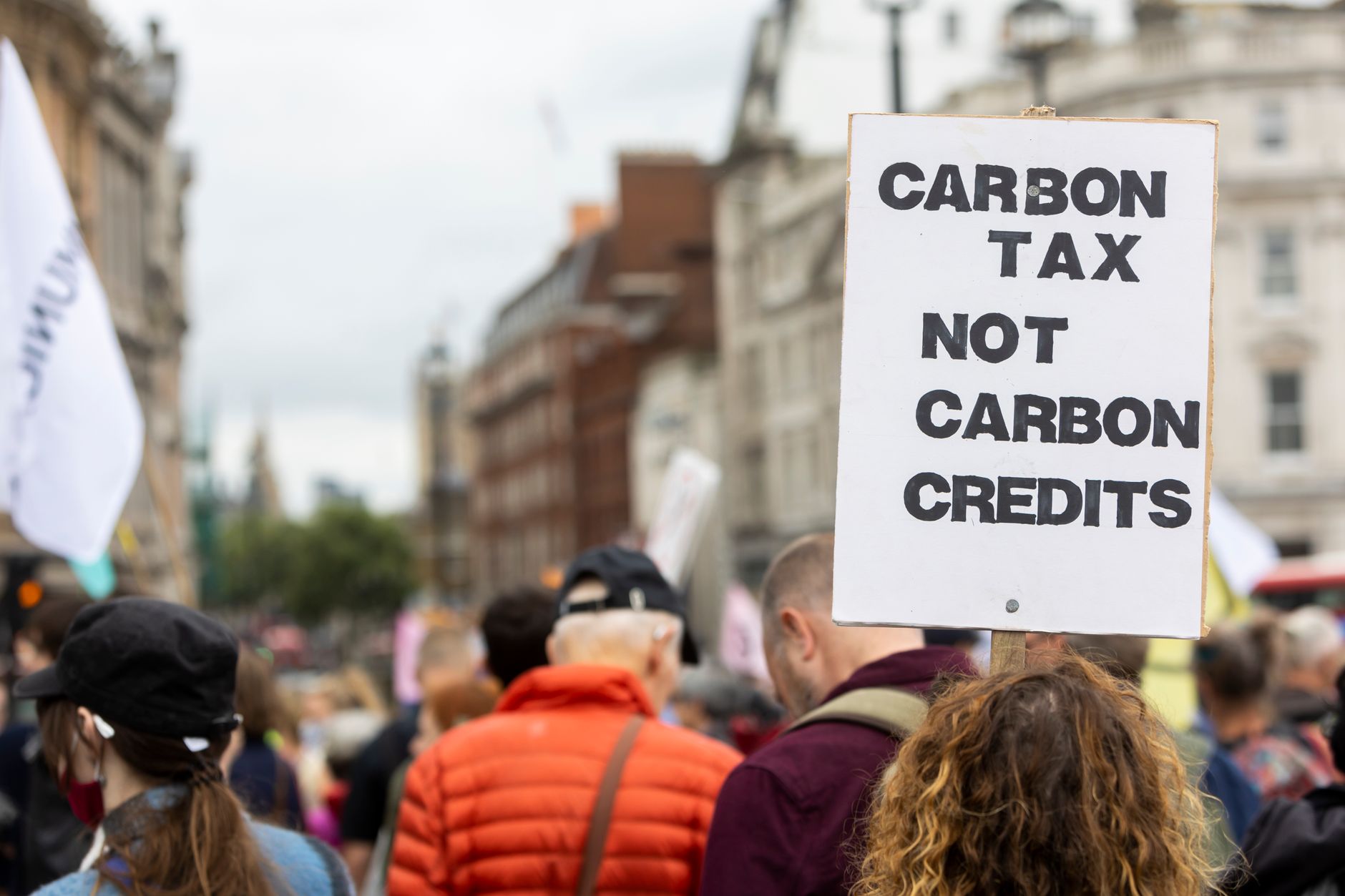
Governments and international bodies are now faced with the challenge of crafting policies that can effectively address these disparities. Progressive taxation, consumption caps, and incentivising green investments are among the strategies under consideration. However, implementing such measures requires a delicate balance between aspiration and practicality.
The study underscores the importance of shifting the focus towards those whose consumption is disproportionately damaging. As the world strives to meet ambitious climate targets, curbing the excesses of the few may indeed be essential. If successful, this approach could herald a new era of environmental equity and sustainability.