Afghan Girls Face Future Without Education Amidst Persistent Ban
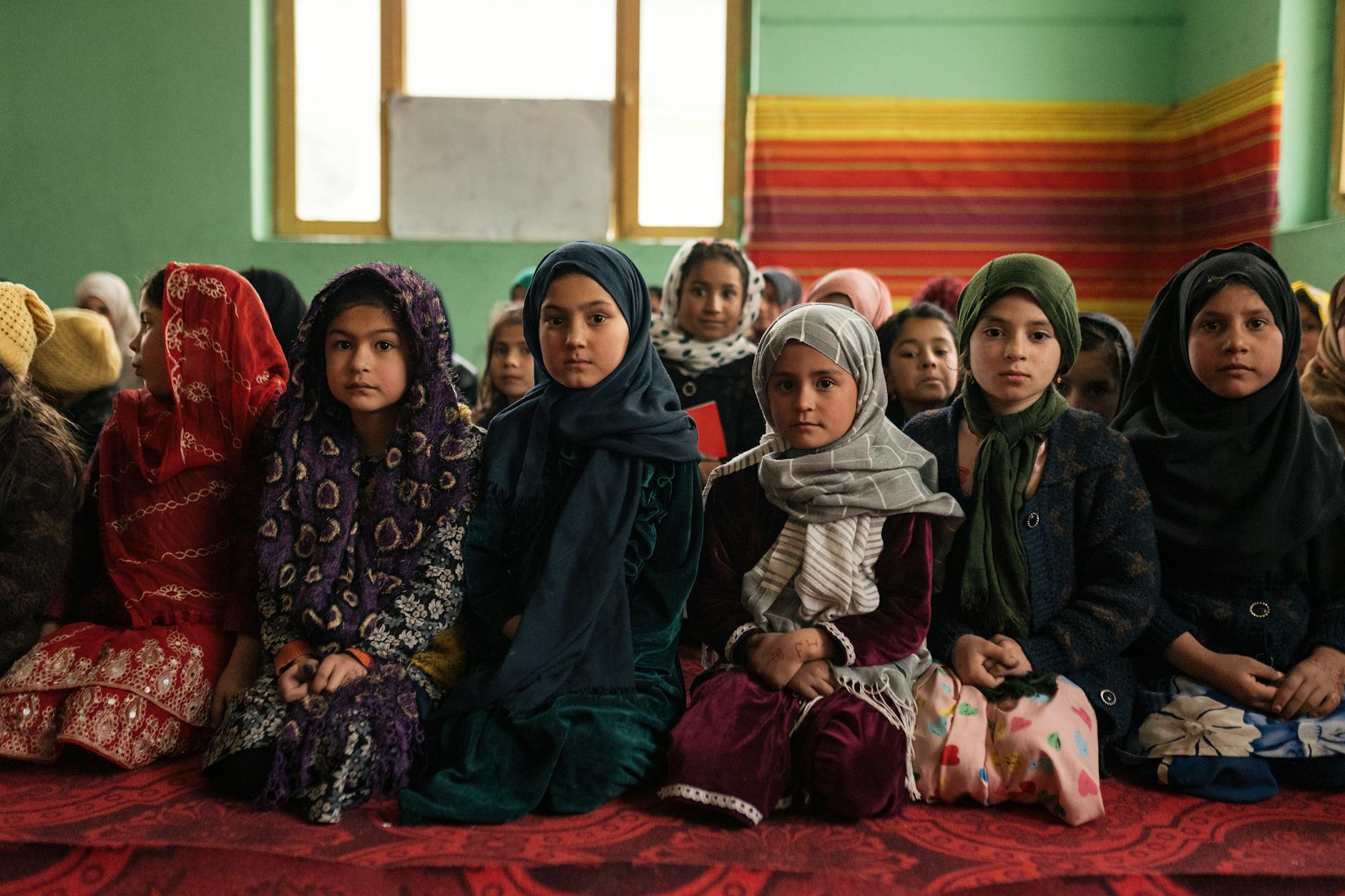
In the heart of Kabul, one can hear the echoes of unfulfilled dreams. Afghan girls, once eager students, now find themselves barred from classrooms, their futures as dim as the dusty streets they tread. This ban on girls' education, enforced by the de facto authorities since 2021, has robbed the nation of its most promising minds, and with each passing day, the cost becomes more palpable.
The Taliban's ideological stance leaves little room for negotiation. Education, particularly for girls, is seen as a threat to their rigid worldview. The result is a generation of young women left to watch from the sidelines as the world progresses without them.
Community Initiatives: A Flicker of Hope
Despite the bleak circumstances, organisations like UNICEF remain steadfast in their efforts to provide alternative educational opportunities. In 2025, over 3.7 million children received emergency support through community-based learning initiatives. However, these efforts, while commendable, are but a drop in the ocean compared to the vast needs of Afghan society.
Over 66 per cent of those benefiting from these initiatives are girls, yet the question remains: is this enough to stem the tide of lost potential? As experienced women either retire or flee the country, the lack of educated young women to fill their roles becomes ever more apparent.
International Repercussions
For Afghan women who dare to dream beyond the confines of their current reality, seeking asylum abroad becomes a viable, albeit daunting, option. The international community watches with bated breath, as the denial of education to these girls constitutes a strong basis for asylum claims. Yet, the loss of this intellectual capital is a tragedy not just for Afghanistan, but for the world at large.
The education ban is more than just a policy; it is a statement of intent, a reflection of the authorities' commitment to an ideology that values control over progress. As the world continues to engage diplomatically with Afghanistan, the plight of these girls must remain at the forefront of international discourse.