Opposition Rallies Behind Wangchuk's Hunger Strike at Jantar Mantar
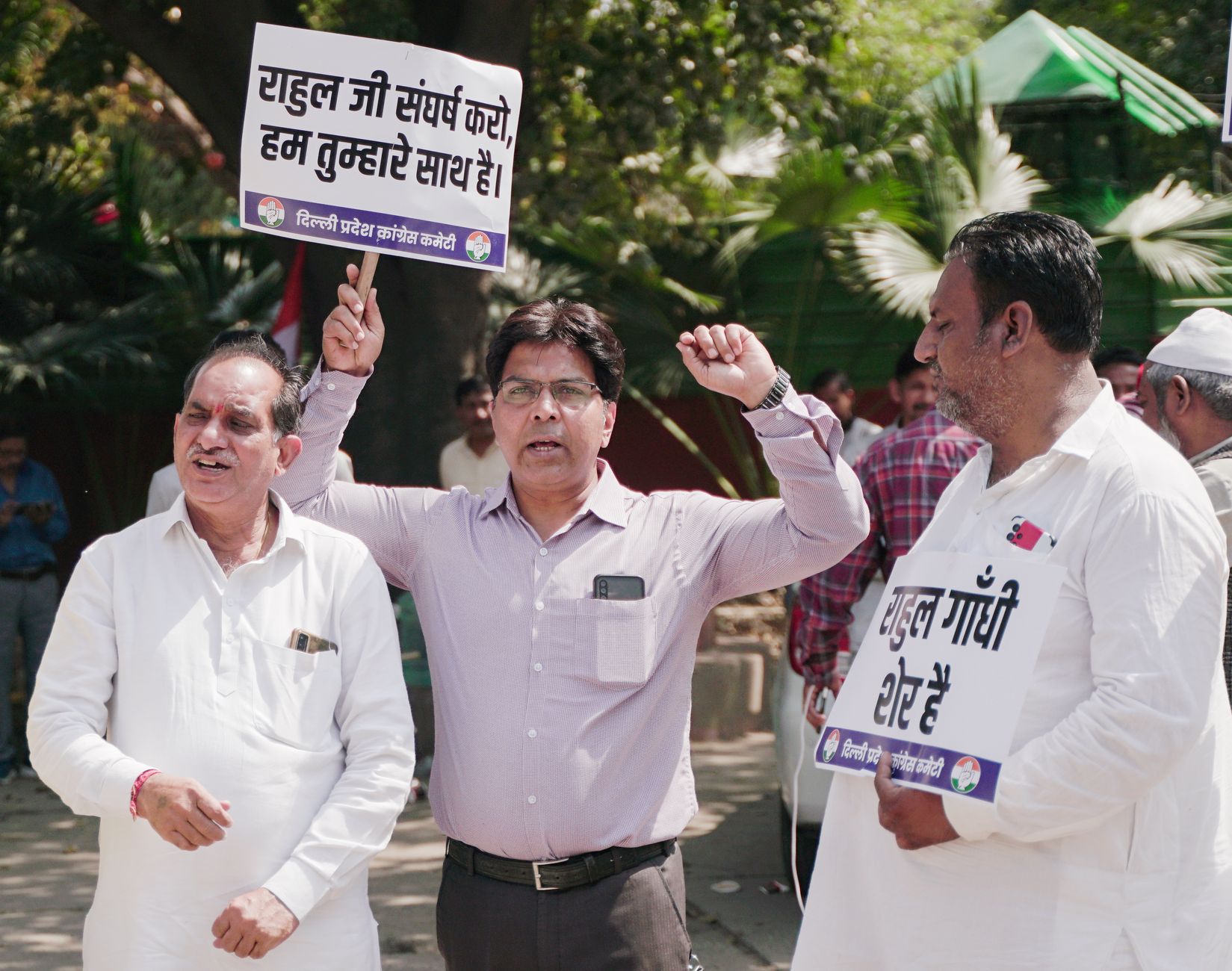
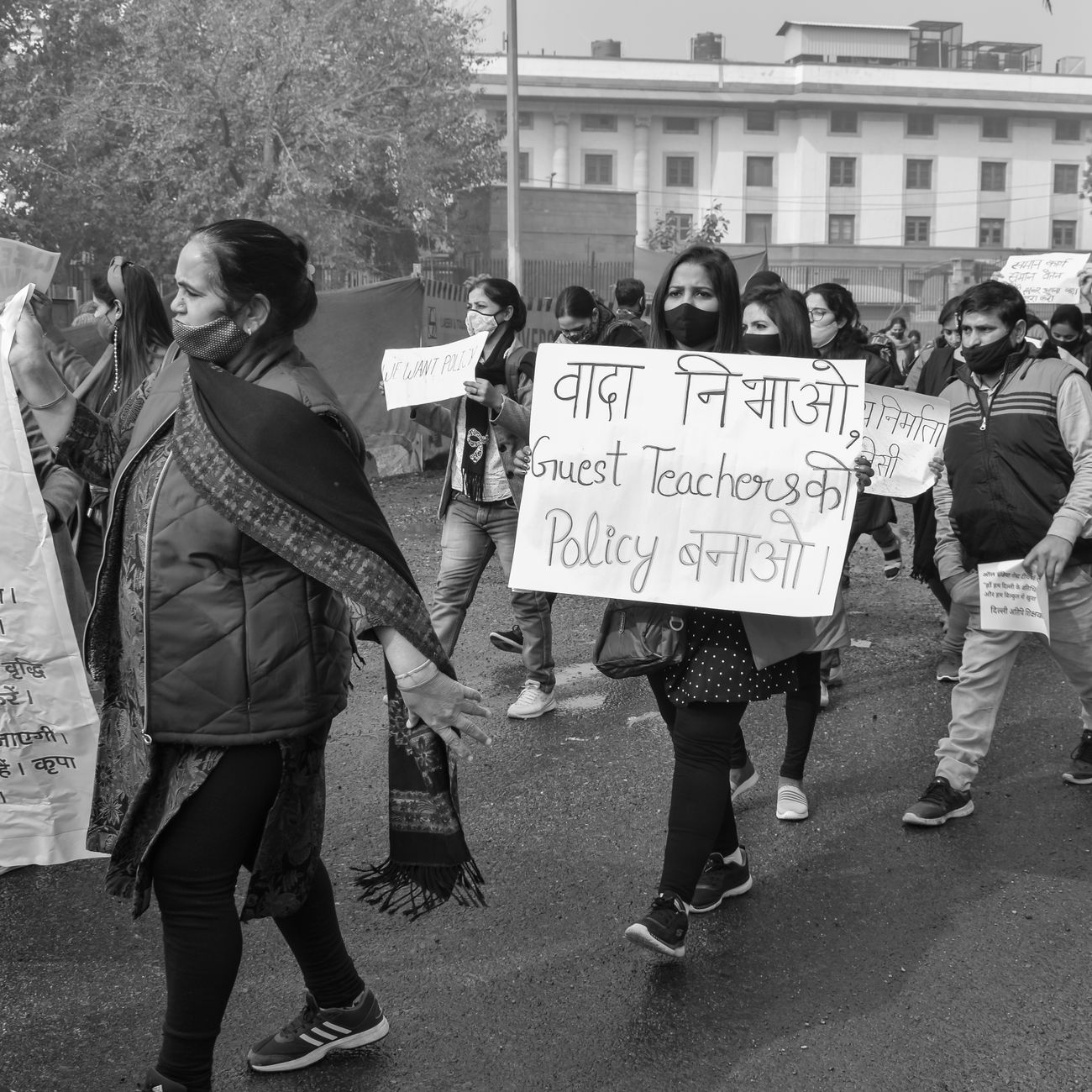
In the heart of Delhi, Jantar Mantar has once again become the epicentre of a political storm. Sonam Wangchuk, the celebrated education reformer, continues his hunger strike, now on its 20th day, drawing attention from across the nation. His demand is straightforward: a call for comprehensive educational reforms.
Wangchuk, whose health has visibly deteriorated, has lost over 8 kilograms, with his blood glucose level reportedly dropping to 67 mg/dL. Despite these alarming figures, his resolve remains unshaken. Dr Satish Lamba, who is monitoring Wangchuk's health, has expressed concern over his condition, urging immediate intervention.
Rising Support
The protest has not gone unnoticed by the political fraternity. Leaders from various opposition parties have flocked to Jantar Mantar, lending their voices to his cause. Among them, Abhijeet Dipke has been particularly vocal, urging mothers nationwide to lead a 'Sansad Chalo' march on July 20, coinciding with the opening of the Monsoon Session of Parliament.
Such gestures underscore the growing support Wangchuk receives, as many see his hunger strike as a symbol of the broader struggle for educational reform in India. His campaign has struck a chord with student groups and civil rights organisations, who view the current system as in dire need of overhaul.
Political Ramifications
The pressure mounts on Prime Minister Narendra Modi's administration, criticised for its perceived inaction. The Prime Minister's reluctance to address the issue publicly has drawn ire from various quarters. Critics argue that this silence is deafening, especially when juxtaposed against the clamour for change echoing through the corridors of Jantar Mantar.
As the planned march to Parliament looms, the government finds itself in a precarious position. The convergence of political, social, and educational discourse at Jantar Mantar serves as a potent reminder of the power of peaceful protest and the enduring quest for reform.