Afghan Women Face Education Ban: A Generation Lost
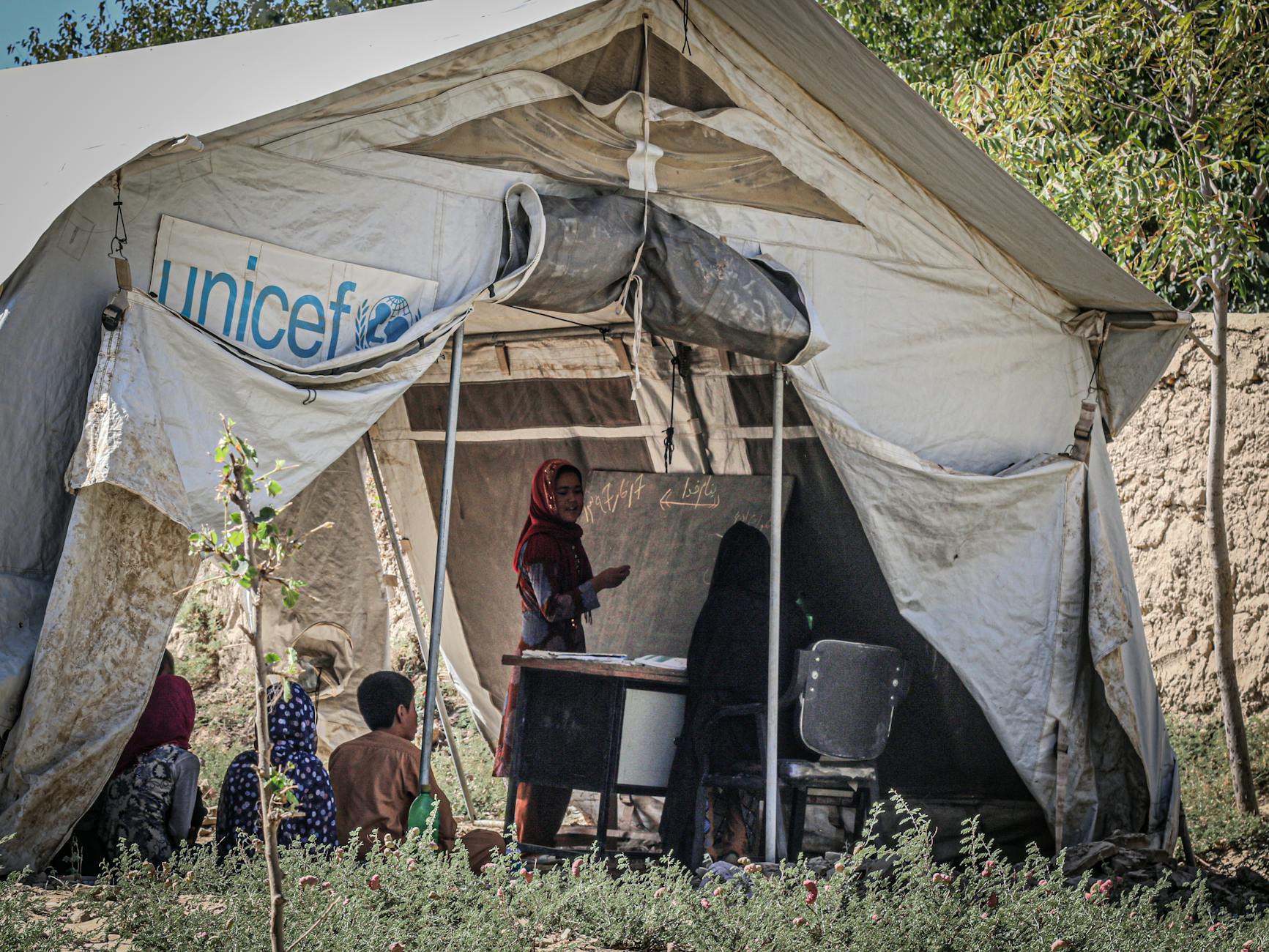
In the heart of Kabul, where classrooms once buzzed with the ambitions of young Afghan girls, silence now reigns. The Taliban's ban on secondary education for girls, first enforced in 2021, has left a generation in educational limbo, their dreams of becoming doctors, engineers, or teachers cruelly dashed.
While international organisations like UNICEF strive to fill the void with community-based learning initiatives and emergency support, these efforts are but a patchwork solution to a systemic problem. As of 2025, over 3.7 million children have been aided, but the scale of need far outstrips available resources.
The Ideological Divide
The Taliban's refusal to budge on this issue is deeply rooted in their ideological beliefs. Despite international condemnation and the evident socio-economic toll, they view the restriction as a cornerstone of their governance. For Afghan families, this means the loss of not only educational prospects but also hope for future economic stability and social progress.
This policy's permanence is now beyond doubt. As experienced professionals retire or flee the country, the gap in skilled labour grows ever wider. The nation's potential for progress dwindles further with each passing year.
A Broader Impact
The ramifications of this educational embargo extend beyond the girls themselves. It reverberates through Afghan society, stalling development and deepening poverty. Without education, women are unable to participate in rebuilding their country, leaving a vacuum in leadership and innovation.
For many, seeking asylum has become the only viable option. Denied education becomes a powerful basis for such claims, as recognised by international bodies. Yet, the journey to safety and schooling abroad is fraught with peril and uncertainty.
As the world watches, the question remains: how long can Afghanistan afford to let its daughters languish in the shadows, their knowledge and potential untapped?