AI-Driven Burgers: The Future of Sustainable Cuisine
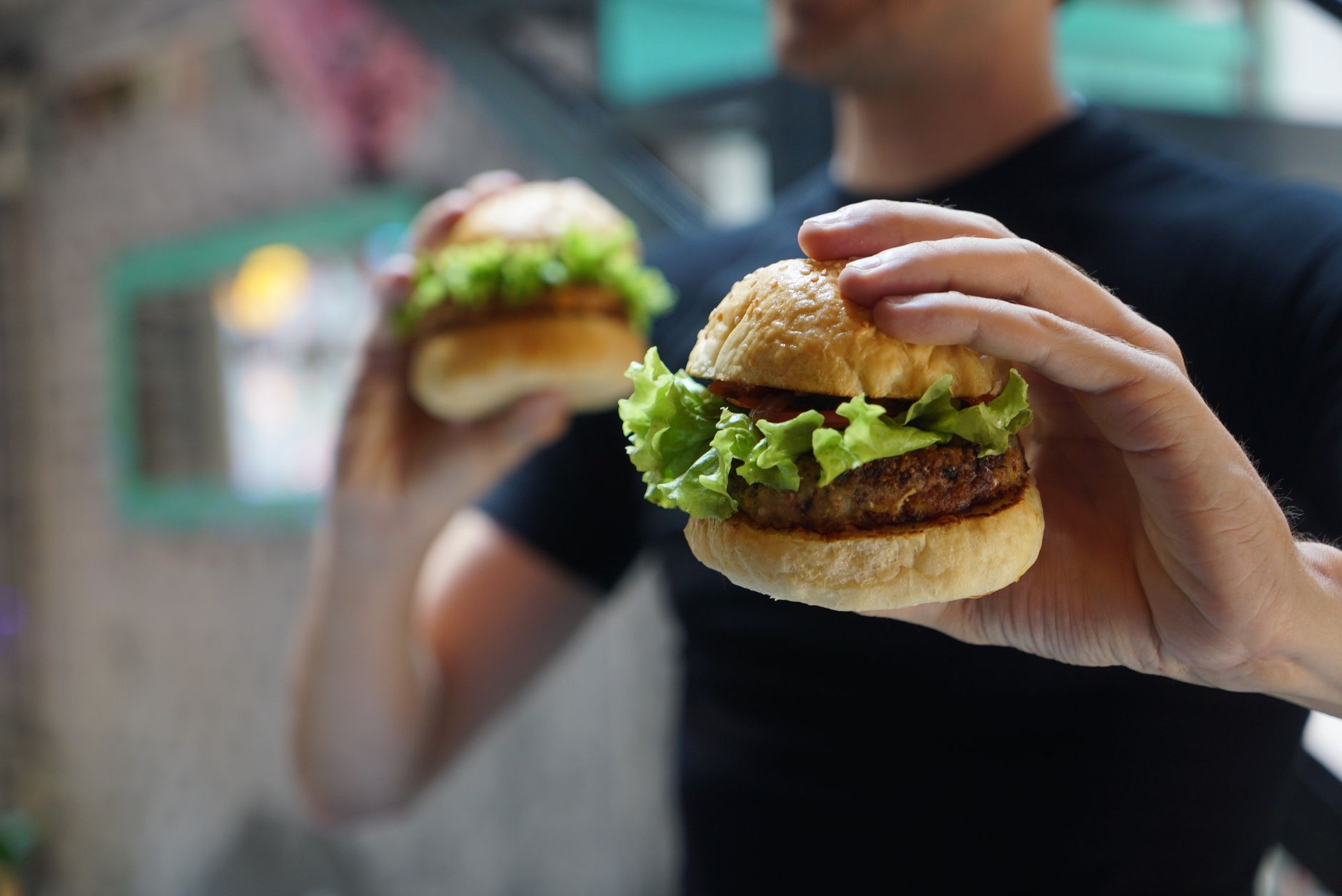
In what could be described as a revolution in the culinary arts, generative artificial intelligence is now crafting burgers that are not only mouth-wateringly delicious but also sustainable and nutritious. The secret ingredient in these innovative creations is not some exotic spice, but advanced machine learning algorithms.
Researchers have harnessed the power of AI to delve into extensive databases of human-generated recipes. By understanding the intricate dance of flavours and textures preferred by our palates, AI systems are now able to design novel food products within a structured framework. This approach addresses a crucial challenge: the need for food that satisfies taste buds while also being kind to our planet and bodies.
The implications of this development are profound. As global populations rise and environmental concerns grow more pressing, the demand for sustainable food solutions becomes ever more critical. Burgers, a global staple, serve as the ideal test case for this technological foray. By crafting burgers that balance flavour, nutrition, and sustainability, AI is paving the way for a new era of food production.
But how does it work? The AI system ingests vast amounts of data from existing recipes, learning the patterns and combinations that appeal to human senses. It then uses this knowledge to generate new recipes, optimising for factors like taste, health benefits, and environmental impact. This isn't just about creating a meat substitute; it's about reimagining what a burger can be.
Critics may argue that food is an art, something that machines can't replicate. However, proponents believe that AI doesn't replace the chef's touch but rather complements it, offering new tools and insights that could lead to healthier and more sustainable culinary choices.
As we move forward, the success of AI-generated burgers could inspire a broader application of technology in food design, extending beyond mere taste to encompass nutritional and environmental considerations. It is a tantalising glimpse into a future where our food choices are informed by data-driven insights, paving the way for a healthier planet and populace.