AI's Hidden Environmental Toll: Water, Land and Climate
The seductive allure of artificial intelligence often obscures a more sobering reality: its environmental footprint is far larger than one might anticipate. As AI systems proliferate, the demand on natural resources grows, posing a silent threat to water supplies, land integrity, and global climate stability.
Thirsty Machines
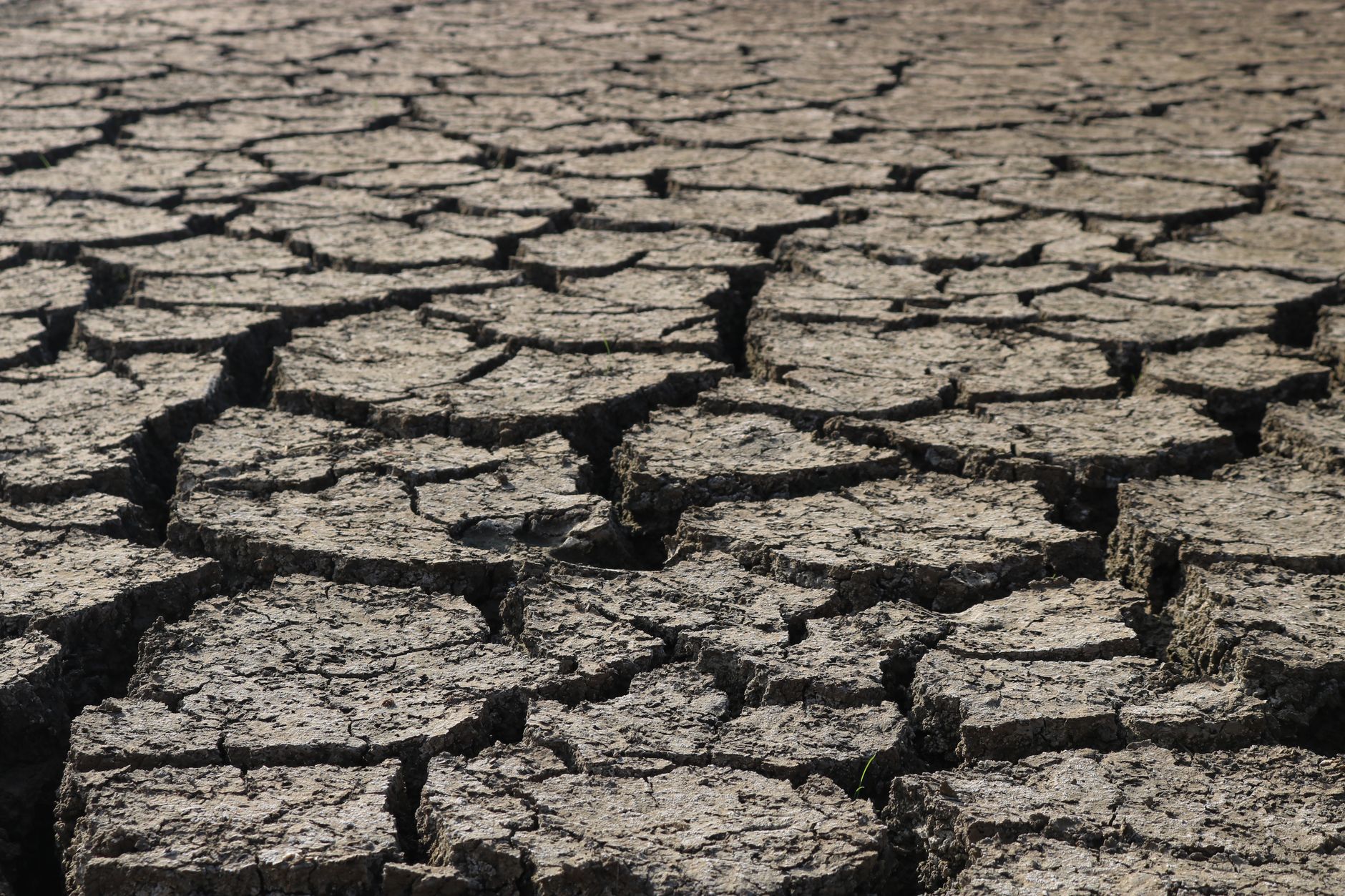
The data centres that power AI technologies are voracious consumers of water. Used primarily for cooling purposes, this water consumption can lead to significant depletion of local water resources, particularly in regions already suffering from scarcity. The irony is stark: the technology that promises efficiency and innovation drains one of the Earth's most precious resources.
Land Degradation
The physical infrastructure supporting AI is not without its costs to the land. Vast tracts of land are transformed into server farms, leaving ecological footprints that disrupt local ecosystems. The construction and maintenance of these facilities often involve deforestation and habitat destruction, further straining the planet's already limited natural environments.
Climate Change Concerns
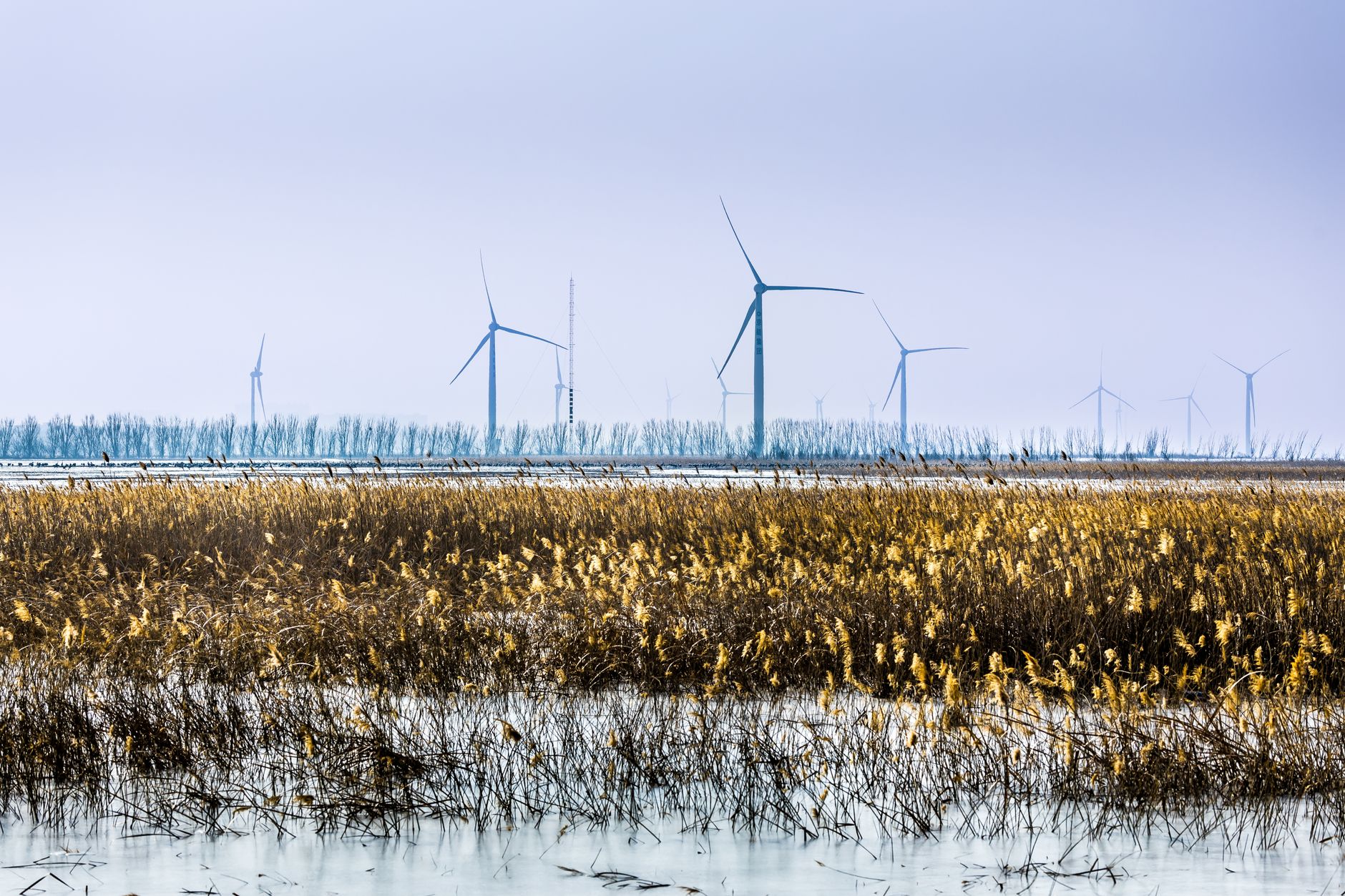
Perhaps the most pressing issue is the impact on climate. AI technologies are energy-intensive, relying on fossil fuels to keep the lights on and the servers humming. This reliance contributes significantly to greenhouse gas emissions. While AI holds potential for reducing emissions through optimised processes, the net effect remains a concern as the scale of AI use continues to grow.
As AI becomes more embedded in our daily lives, the environmental costs cannot be ignored. Policymakers and tech companies alike must grapple with these challenges, seeking sustainable solutions that balance technological advancement with environmental stewardship.