Ancient Fish Fossil Sheds Light on Early Brain Evolution
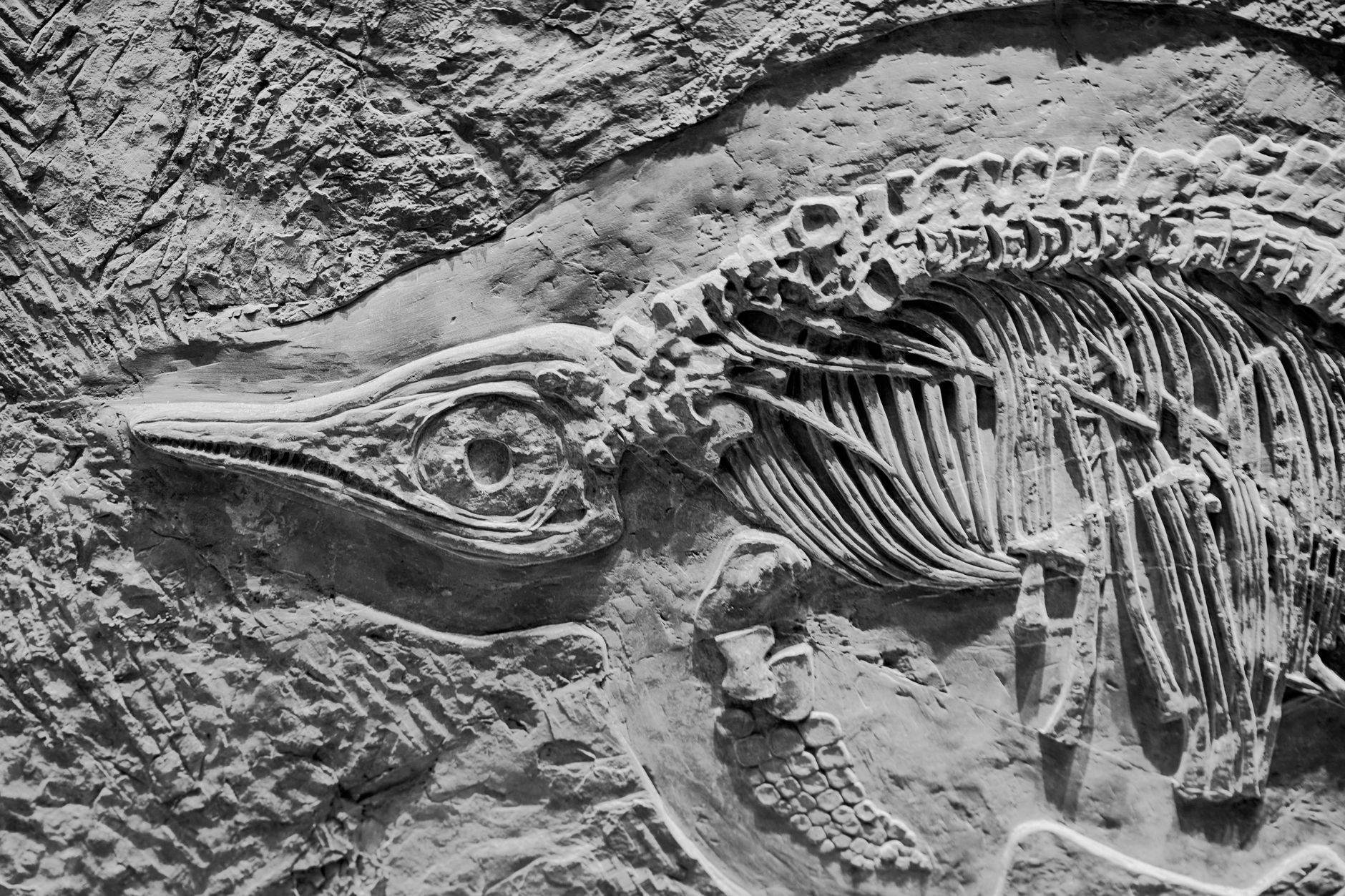
In the depths of a Lancashire coal mine, a 319-million-year-old fish fossil has been hiding a remarkable secret—its brain. This ancient minnow, discovered over a century ago but only recently examined in detail, has left scientists awestruck with its well-preserved neural tissues. The fossil, belonging to a species that lived in a time when the continents were still fused together, offers a rare glimpse into the evolutionary timeline of vertebrate brains.
The fossil was found near the village of Trawden, in a region known for its rich geological history. Despite its diminutive size, akin to a modern minnow, the significance of this find is anything but small. Advanced CT scanning technology has allowed researchers to peer inside the fossilised skull, revealing brain structures that have remained intact for hundreds of millions of years. This discovery not only showcases the power of modern imaging techniques but also underscores the complexity of early vertebrate brains.
Insights into Evolutionary Development
The implications of this discovery are profound. The preservation of such ancient neural tissue is extremely rare, providing a unique opportunity to study the brain architecture of early vertebrates. Scientists believe that these findings could offer clues about how vertebrate brains, including our own, have evolved over the eons. By analysing the shape and size of the brain, researchers can infer the sensory capabilities and behavioural patterns of these ancient fish.
Moreover, the study of such ancient specimens can illuminate the evolutionary pressures that shaped the development of complex neural systems. It raises questions about the environmental factors that drove brain evolution and how these ancient creatures adapted to their prehistoric habitats.
A New Epoch for Palaeontology
This discovery marks a significant milestone in palaeontology and opens new avenues for research. As the oldest known vertebrate brain fossil, it sets a new benchmark for what scientists can expect to learn from ancient remains. It also highlights the importance of interdisciplinary collaboration, combining the fields of palaeontology and neuroscience to unravel the mysteries of early life on Earth.
In the grand tapestry of evolution, each discovery adds a thread of understanding, weaving together the history of life on our planet. The ancient fish fossil from Lancashire is not just a relic of the past; it is a beacon for future scientific exploration, guiding researchers as they delve deeper into the origins of complex life.