Ancient Visitor: Interstellar Comet Could Be Solar System's Eldest
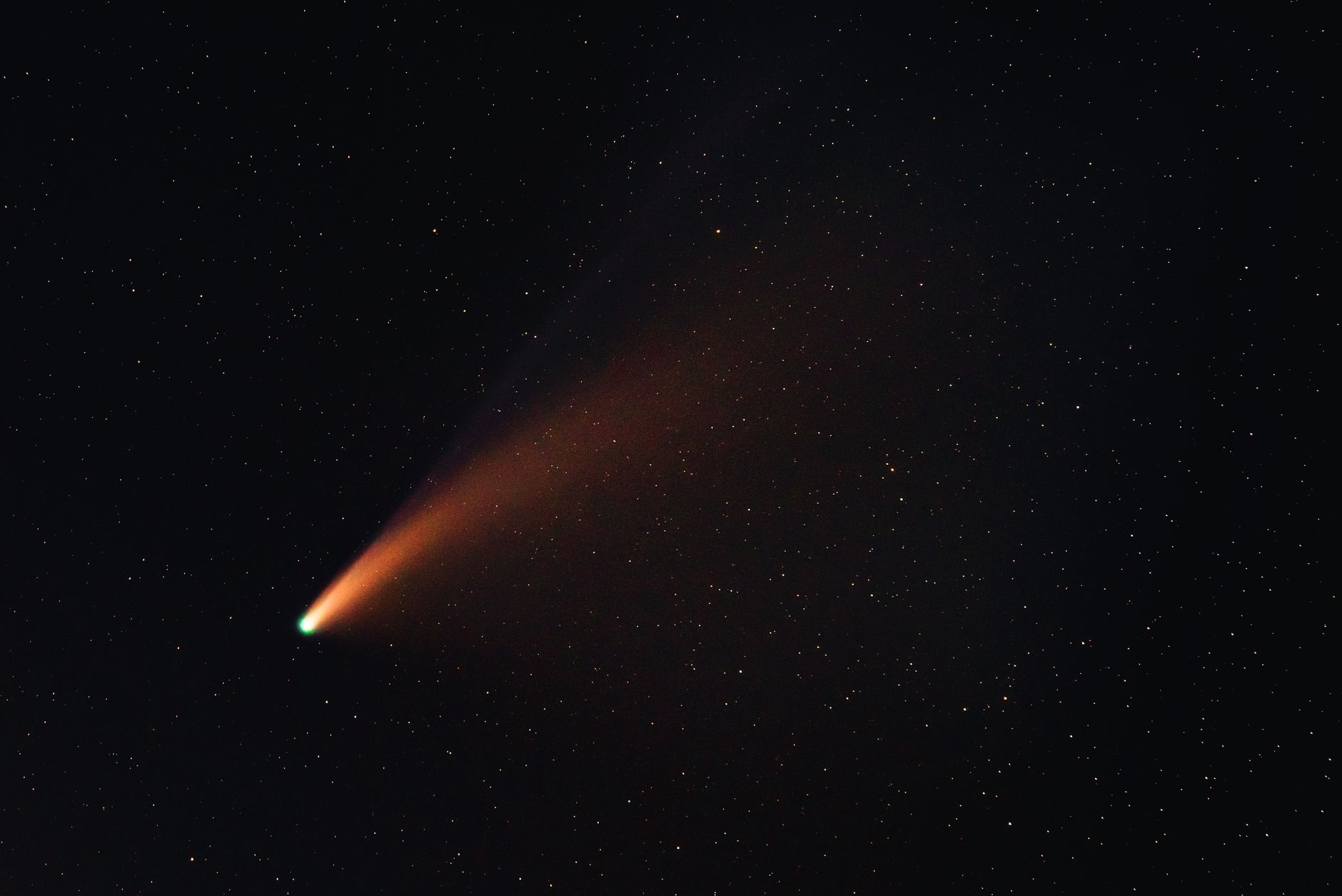
Amidst the vast expanse of the cosmos, a new chapter in our understanding of the universe has been penned. Scientists, with a mix of awe and intrigue, have announced the possibility that an interstellar comet, designated 3I/Atlas, may well be the oldest object observed within the bounds of our solar system.
Dr Martin Cordiner from NASA's Goddard Space Flight Center, who led the study, remarked on the significance of this discovery. 'Perhaps it's the oldest object ever seen in our solar system,' he mused, capturing the imagination of astronomers and enthusiasts alike.
Our solar system, believed to have formed approximately 4.5 billion years ago, has been a cradle of celestial bodies, each holding secrets of its own. The introduction of 3I/Atlas into this cosmic family tree offers an unprecedented opportunity to peer into the ancient past.
A Cosmic Time Capsule
3I/Atlas's journey is not just a testament to the wanderlust of interstellar objects but also serves as a cosmic time capsule, potentially holding clues to the conditions that prevailed billions of years ago. The comet's composition and trajectory could shed light on the processes that governed the early universe, offering parallels and contrasts to the solar system's own formation.
As only the third known interstellar object to grace our solar system, following the likes of 'Oumuamua and 2I/Borisov, 3I/Atlas presents a rare opportunity for scientific scrutiny. Its trajectory and velocity suggest an origin beyond our immediate cosmic neighbourhood, hinting at the comet's storied past.
Implications for Astrophysics
The implications of 3I/Atlas's presence are profound. It challenges our understanding of cometary formation and migration, urging scientists to rethink the dynamics of interstellar travel. Moreover, the data gathered from its passage could refine models of cosmic evolution, enhancing our grasp of how galaxies and solar systems come into being.
In the coming months, astronomers will undoubtedly keep a watchful eye on this ancient traveller, eager to unearth the secrets it harbours. As we stand on the brink of potentially rewriting parts of cosmic history, 3I/Atlas reminds us of the ever-expanding frontiers of human knowledge and the unyielding curiosity that drives us to explore the unknown.