Anesthesia and the Brain: New Insights into Consciousness
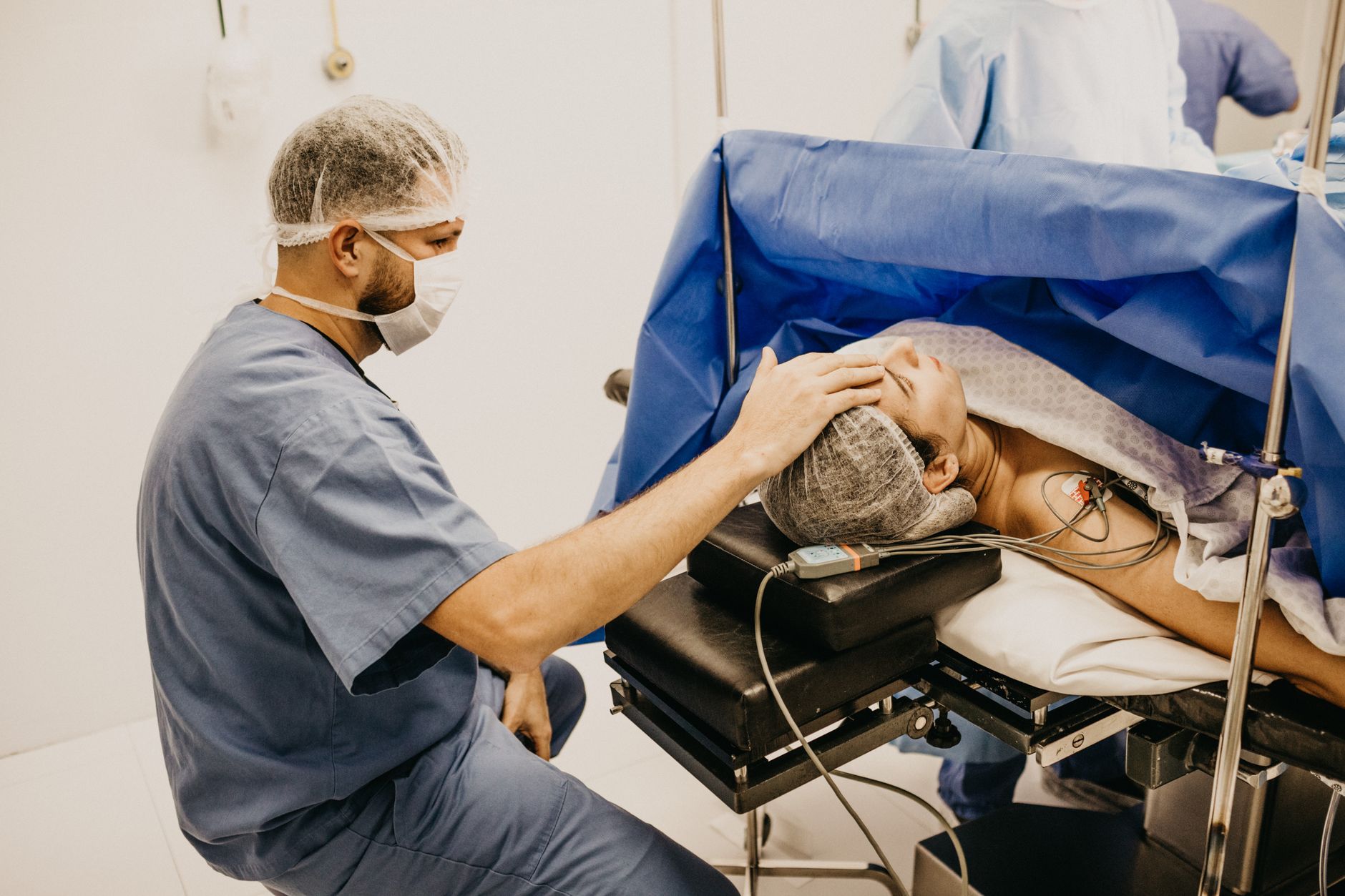
In a dimly lit laboratory, the hum of machinery is drowned out by the extraordinary revelation unfolding at the Picower Institute. Researchers have unearthed surprising complexities in brain activity under the influence of general anesthesia. Far from plunging the brain into complete silence, anesthesia seems to orchestrate a different kind of neural symphony.
A team led by Dr. Sheth has meticulously recorded the activity of neurons in the hippocampus, a region traditionally linked with memory. Their findings suggest that even when a patient is under anesthesia, the brain continues to engage in structured signalling. This discovery challenges the long-standing notion of 'neural noise', presenting instead a scenario where the brain retains a semblance of order, albeit on a different frequency.
Challenging Old Assumptions
The study propounds that the anaesthetic drug, propofol, disrupts sensory processing not by silencing neural activity, but by severing communication between different brain regions. This revelation compels a re-evaluation of what it means to be 'unconscious'. If the brain isn't entirely shut down, could consciousness be more resilient and adaptable than previously understood?
Dr. Sheth's research implies that even in an unconscious state, the brain possesses the ability to process language and potentially learn. Such findings could have profound implications for how surgical procedures are conducted, especially in terms of monitoring brain activity to ensure patient safety and optimise recovery.
Implications for Neuroscience
The ramifications of these insights extend beyond the operating theatre. They beckon a reconsideration of neurological conditions where consciousness is altered, like in cases of coma or vegetative states. If the brain can maintain structured activity under anesthesia, what might this mean for patients with impaired consciousness?
While this study unveils more about the enigmatic workings of the human brain, it also opens the door to numerous questions. As researchers continue to untangle the intricacies of consciousness, the boundary between sleep, anesthesia, and wakefulness becomes ever more nuanced.