Antarctica Yields its First Dinosaur Discovery: A Titanosaur Tale
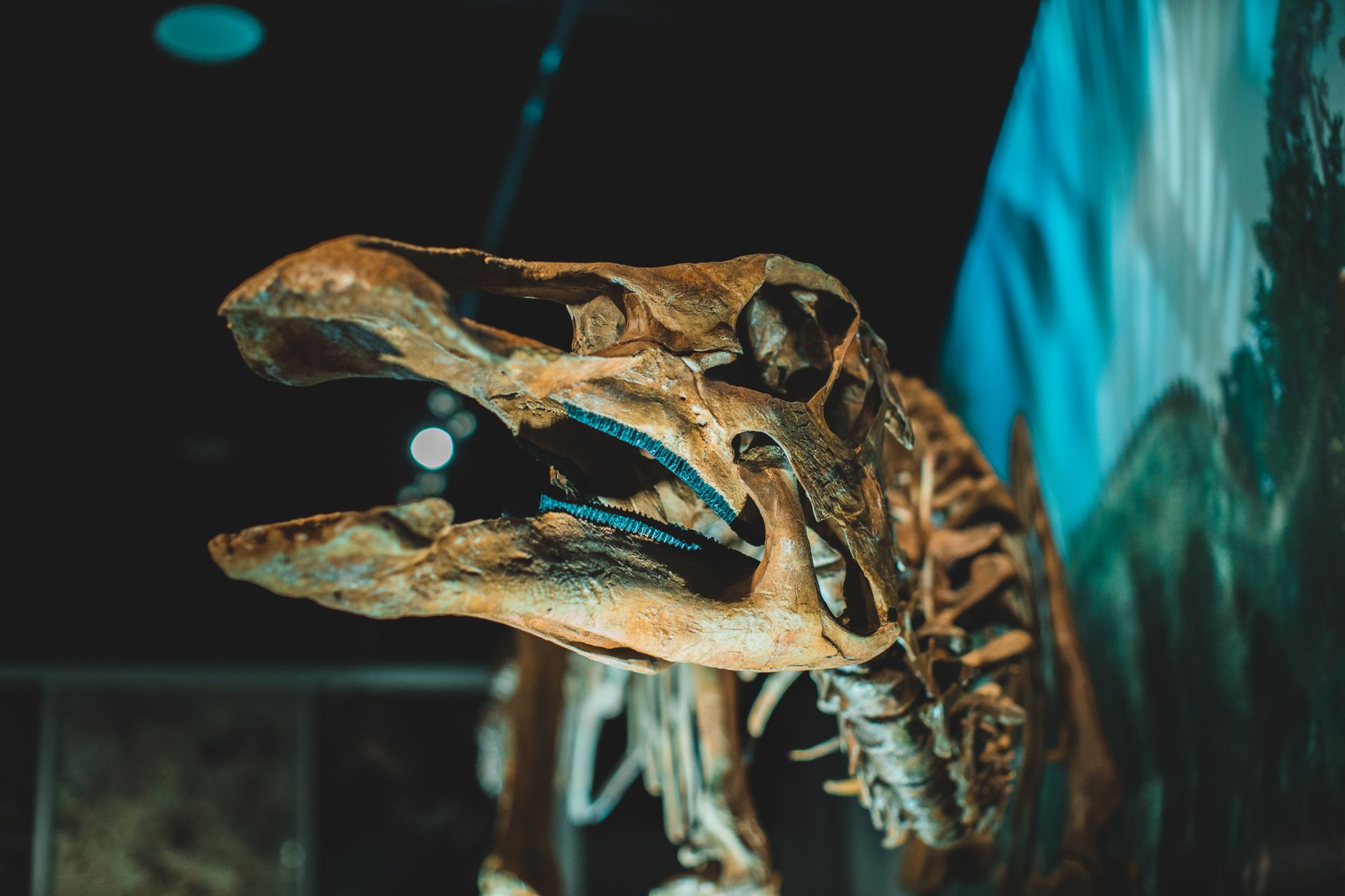
In the frozen expanse of Antarctica, a long-forgotten fossil has emerged from obscurity to rewrite the continent's prehistoric narrative. The unassuming vertebra, a relic of a titanosaur, lay dormant in a storage drawer for nearly four decades, its significance only now coming to light. This discovery marks the first-ever dinosaur fossil identified on the icy continent, a testament to the ancient connectivity of Earth's landmasses.
The fossil, unearthed during a British Antarctic Survey expedition in 1985, was recently re-examined by palaeontologists, revealing its true nature as part of the largest group of dinosaurs—the sauropods. These gentle giants, known for their colossal size and long necks, roamed the Earth during the Cretaceous period, some 66 million years ago. The newfound fossil suggests that these behemoths traversed the once-connected land bridges, hinting at a rich, albeit hidden, palaeontological tapestry beneath the Antarctic ice.
The Fossil's Journey from Drawer to Discovery
Initially catalogued and stored away, the vertebra was rediscovered during an inventory check. Its re-evaluation sparked excitement within the scientific community, not only for its rarity but for the window it opens into the prehistoric past. Dr. Sarah Smithson, a leading palaeontologist, remarked, "This finding reshapes our understanding of dinosaur distribution and migration, demonstrating that these creatures inhabited far more diverse environments than previously assumed."
The arduous task of conducting palaeontological investigations in such a hostile environment underscores the dedication of scientists committed to unveiling Earth's ancient mysteries. The harsh Antarctic conditions pose significant challenges, yet the potential rewards—such as this groundbreaking discovery—are immeasurable.
Implications for Future Research
This revelation not only enriches our understanding of the Cretaceous period but also underscores the importance of continued exploration and study in Antarctica. It raises questions about the ecological dynamics of the time and the climatic conditions that might have supported such life. As Dr. Smithson notes, "Each discovery prompts new questions, driving the scientific inquiry that fuels our quest to understand the planet's history."
As this titanosaur vertebra captures the imagination of both scientists and the public, it serves as a poignant reminder of the untold stories locked within the Earth's most remote corners. The tale of this fossil, from a forgotten drawer to the forefront of palaeontological research, is a testament to the enduring allure of discovery and the relentless pursuit of knowledge.