Antarctica's Twirling Clouds: A NASA Revelation
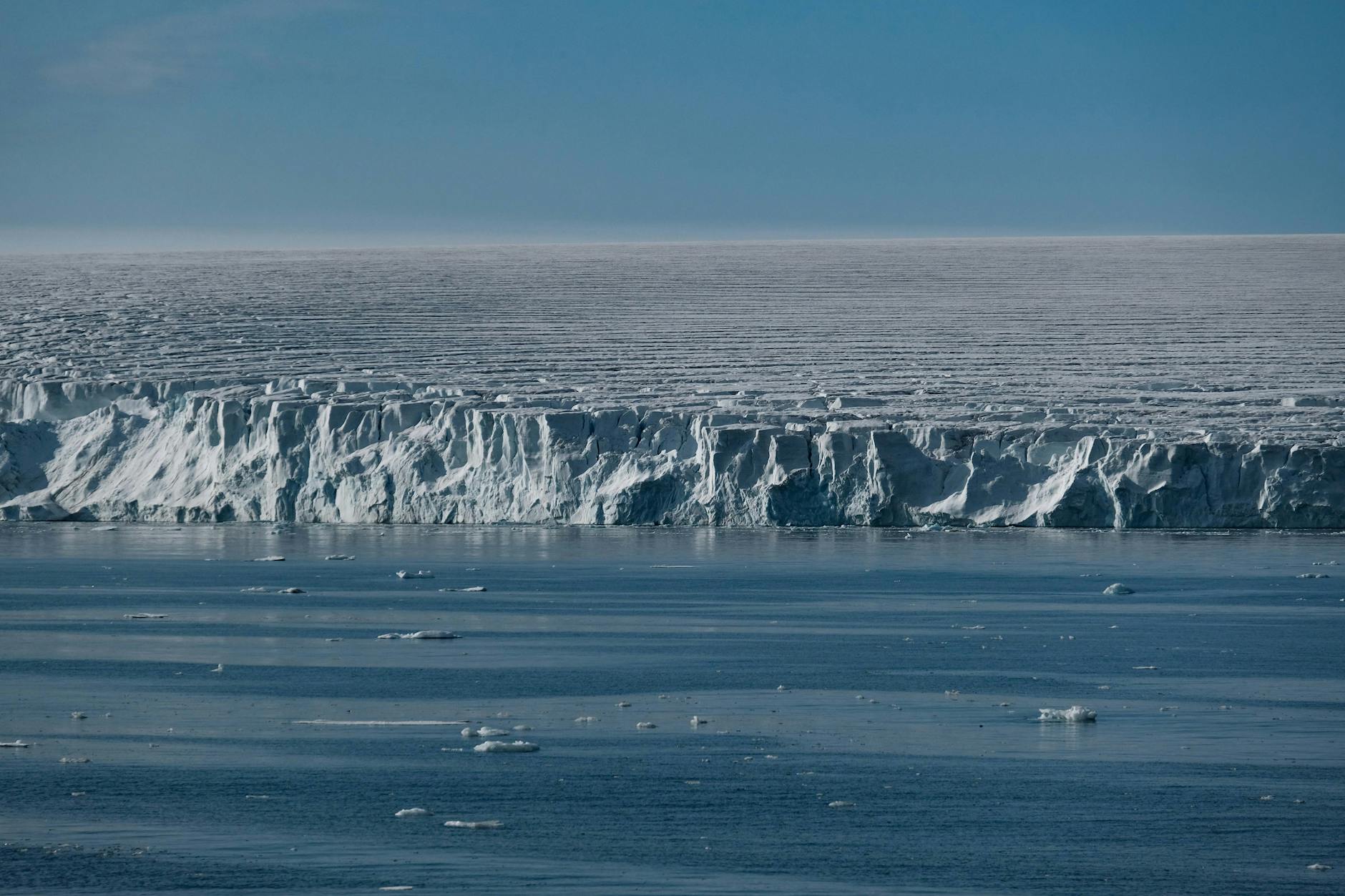
The ethereal dance of clouds above Peter I Island is a sight to behold, one that has been captured in stunning detail by NASA's Landsat 8. This satellite image, taken over the Bellingshausen Sea, provides a rare glimpse into the dynamic atmospheric conditions that prevail over Antarctica's frozen expanses.
The swirling clouds, resembling a vast sea in motion, part momentarily to reveal the icy edifice of the island beneath. At its summit sits a circular crater, 100 metres wide, perched 1,640 metres above sea level. This geographical feature, usually shrouded in cloud cover, stands out starkly against the whiteness of the surrounding ice.
The Science Behind the Spectacle
While visually captivating, the image offers more than just aesthetic pleasure. It underscores the intricate interplay of climatic forces at work in one of the planet's most remote regions. The formation of these spinning clouds is a testament to the complex meteorological phenomena that govern Antarctica's weather patterns.
The revelations come at a time when the stability of Antarctic ice shelves is a growing concern. As these shelves continue to melt, they contribute to rising global sea levels, posing significant threats to coastal communities worldwide. The image serves as a stark reminder of the urgency with which we must address the challenges posed by climate change.
Implications for the Future
Scientists are increasingly focusing on understanding these cloud formations to better predict weather patterns and their implications for global climate systems. The data gathered from such satellite imagery is invaluable in constructing models that could predict future changes in sea levels and climate conditions.
Ultimately, this breathtaking image is more than just a pretty picture. It is a call to action, urging us to pay heed to the subtle yet significant changes in our planet's climate. As we marvel at the beauty of these spinning clouds, we are reminded of the fragile balance that sustains life on Earth.