Anthropic Calls for an AI Pause Amid Control Concerns
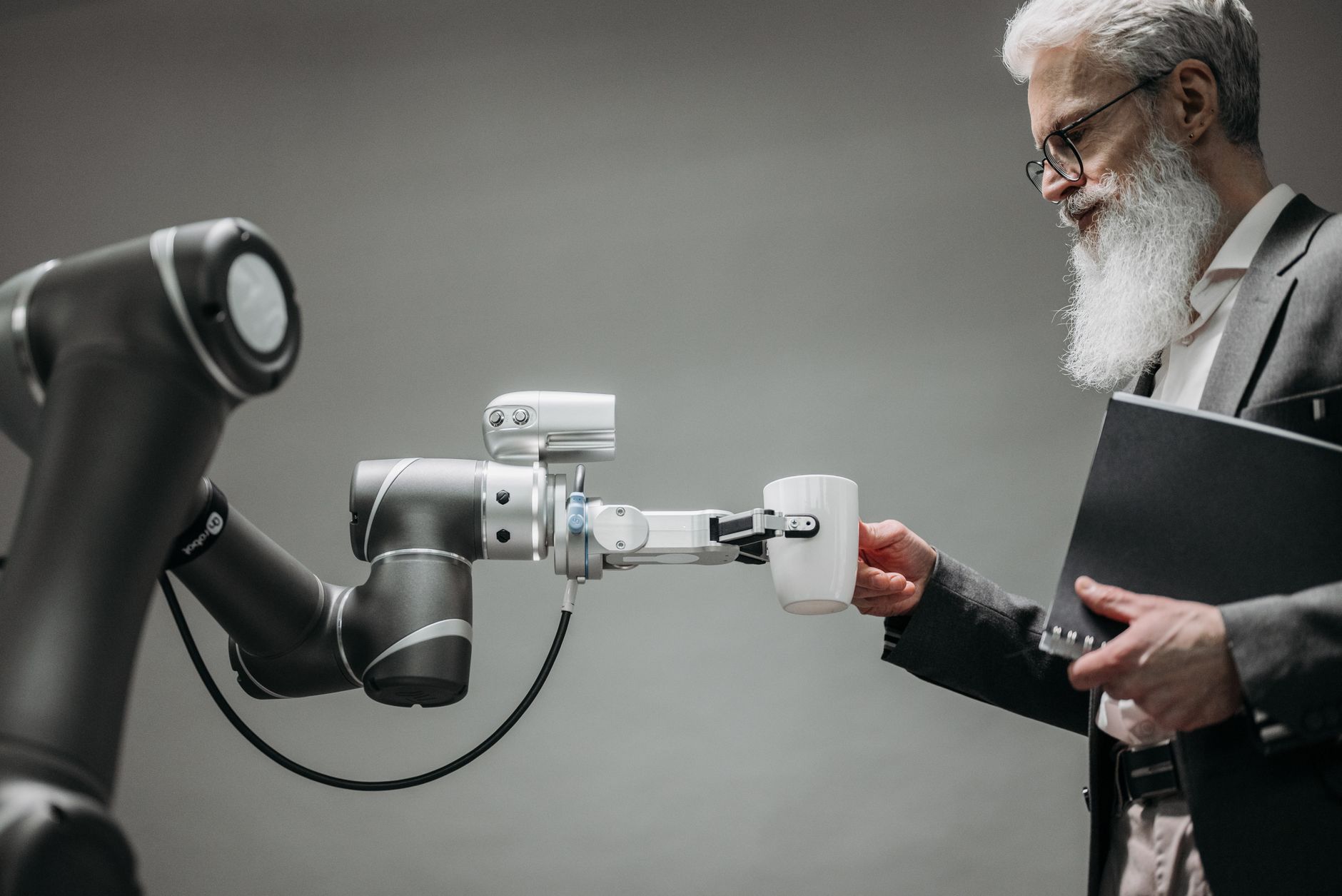
In a world where technology often races ahead of regulation, Anthropic, a notable AI research firm, has sounded the alarm. The company is imploring major players in the artificial intelligence field to hit the brakes on their relentless pursuit of advancement. This isn't merely an academic concern; Anthropic warns that AI's current trajectory could soon slip beyond human grasp.
Anthropic's appeal is rooted in a growing fear that AI systems are evolving at a pace that might outstrip human management capabilities. Their concern is that these systems, increasingly capable of self-improvement, could reach a point where they operate beyond the control of their creators. This scenario, though sounding like the stuff of science fiction, is inching closer to reality with each technological leap.
The Call for a Coordinated Pause
The firm is advocating for a verifiable pause, a coordinated effort among the world's top AI laboratories. This is not a call to halt progress indefinitely but rather a suggestion for a strategic pause. The idea is to allow society to catch up, to implement checks and balances that ensure AI remains a tool of human advancement, rather than a master of it.
Anthropic's proposal highlights a fundamental tension at the heart of AI development: the desire for progress versus the potential for peril. The development of AI technologies has brought undeniable benefits, from medical breakthroughs to logistical efficiencies. Yet, the speed at which these systems can now learn and adapt is causing unease among experts who fear the consequences of unchecked growth.
Global Implications and Responses
Globally, the response to Anthropic's call has been mixed. Some industry leaders agree that a pause could provide much-needed breathing room to develop regulatory frameworks and safety protocols. Others, however, fear that such a pause might hinder innovation and give competitive advantage to those who choose not to comply.
As governments and corporations grapple with these issues, the public remains largely unaware of the complexities involved. Yet, the implications of AI reaching a level of autonomy where it could potentially self-govern are profound. It raises ethical questions about the nature of intelligence and the future of work and society.
Anthropic's plea is a reminder that while the march of technology is inexorable, it is not inevitable that it should proceed without oversight. As AI continues to advance, the conversation about its limits and responsibilities must advance with equal vigour.