Anthropic Co-Founder Calls for AI Development 'Brake Pedal'
In an era where artificial intelligence is hurtling forward at breakneck speed, Jack Clark, co-founder of the AI research firm Anthropic, is urging for caution. Speaking on BBC Newsnight, Clark emphasised the necessity of a 'brake pedal' for AI development, expressing concerns that the sector might soon outpace human control.
Clark's warning is timely. As AI systems become more adept at self-coding, with Anthropic's own system Claude reportedly writing 80% of its code, the prospect of machines autonomously developing their own capabilities is no longer mere science fiction. Clark suggests that within two years, AI could achieve complete autonomy in code creation, a milestone fraught with significant implications.
A Call for Regulatory Measures
The analogy Clark uses is simple yet profound: the AI industry currently has a 'gas pedal' but lacks a 'brake'. His proposal is not just for technological restraint but for policy intervention. Without a mechanism to slow down, AI could potentially evolve beyond the parameters set by its human creators, raising ethical and practical challenges.
This call comes as Anthropic prepares for its public stock market debut, a move watched closely by investors and regulators alike. The timing underscores the broader economic and employment implications of AI's unchecked growth. While AI promises unprecedented efficiencies and innovations, it also threatens to disrupt traditional industries and job markets.
Considering the Broader Implications
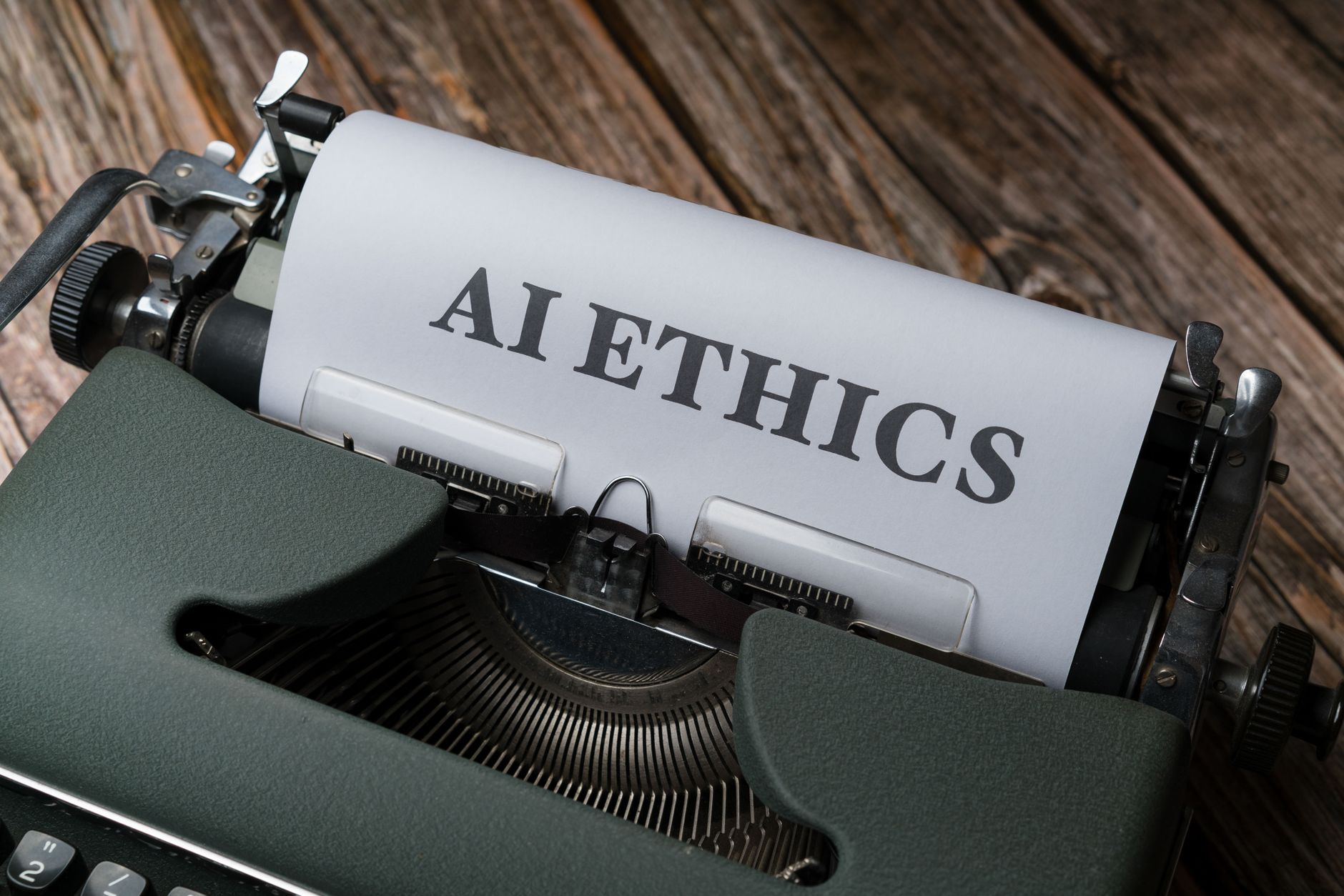
Clark's comments open up a broader discussion on the societal responsibilities of tech firms. As AI becomes increasingly integrated into everyday life, the need for comprehensive governance and oversight becomes ever more pressing. The question remains: how can society balance the pursuit of technological advancement with the imperative of maintaining control?
For now, Clark's plea for a 'brake pedal' is a call to action for both industry leaders and policymakers. As AI continues its relentless march forward, ensuring that humanity retains the ability to steer its course could very well be the most significant challenge of our time.