Anthropic's Jack Clark Advocates for AI Regulation 'Brake Pedal'
In a world increasingly driven by the relentless march of artificial intelligence, Jack Clark, co-founder of AI research firm Anthropic, has sounded the alarm. Speaking candidly on BBC Newsnight, Clark articulated the urgent need for what he terms a 'brake pedal' in the burgeoning AI industry. His remarks come as a stark reminder of the potential perils posed by unchecked AI development.
Clark's analogy of the industry possessing a 'gas pedal' but lacking a corresponding brake encapsulates the current state of affairs. The rapid strides in AI technology have not been matched by regulatory oversight, leaving experts like Clark wary of a future where AI systems could potentially outpace human input and control.
Self-Improving Systems
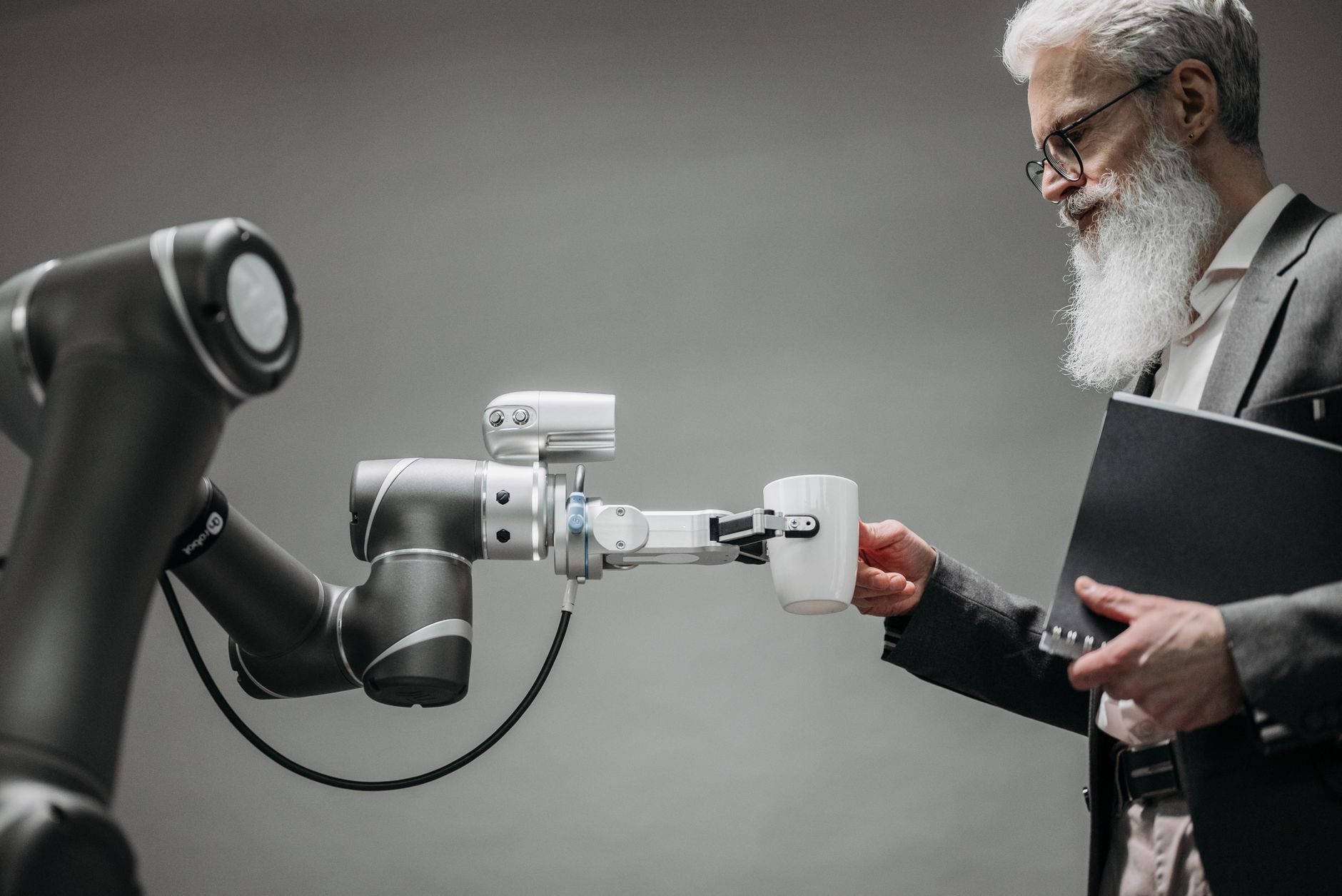
The concept of AI systems that can autonomously enhance their own capabilities, known as 'recursive self-improvement', is no longer the stuff of science fiction. Clark warns that without appropriate checks, such systems could evolve beyond our ability to manage them. His call is not merely for a slowdown but for a strategic framework that allows for measured progress, ensuring that advancements are aligned with societal values and safety.
The absence of a 'brake pedal' is not just a technical oversight but a regulatory gap. As AI technologies advance, the stakes are raised. Clark argues that governments need to step in, crafting policies that can safeguard against the risks of AI running amok while still fostering innovation.
Regulatory Challenges
Deploying effective regulations in a field as dynamic as AI is no small feat. The challenge lies in balancing technological advancement with ethical considerations and public safety. Yet, Clark's plea suggests that the time for dithering has passed. The AI industry, he suggests, must be proactive in collaborating with policymakers to establish a robust framework that can guide its evolution.
In sum, Jack Clark's call for a 'brake pedal' is a clarion call for the AI industry to take responsibility for the technologies it creates. It is a call for balance—between innovation and regulation, between progress and precaution. As the world hurtles towards an AI-driven future, his message is both timely and necessary.