AP Waqf Board's Initiative: Free Education for 250 Talented Students
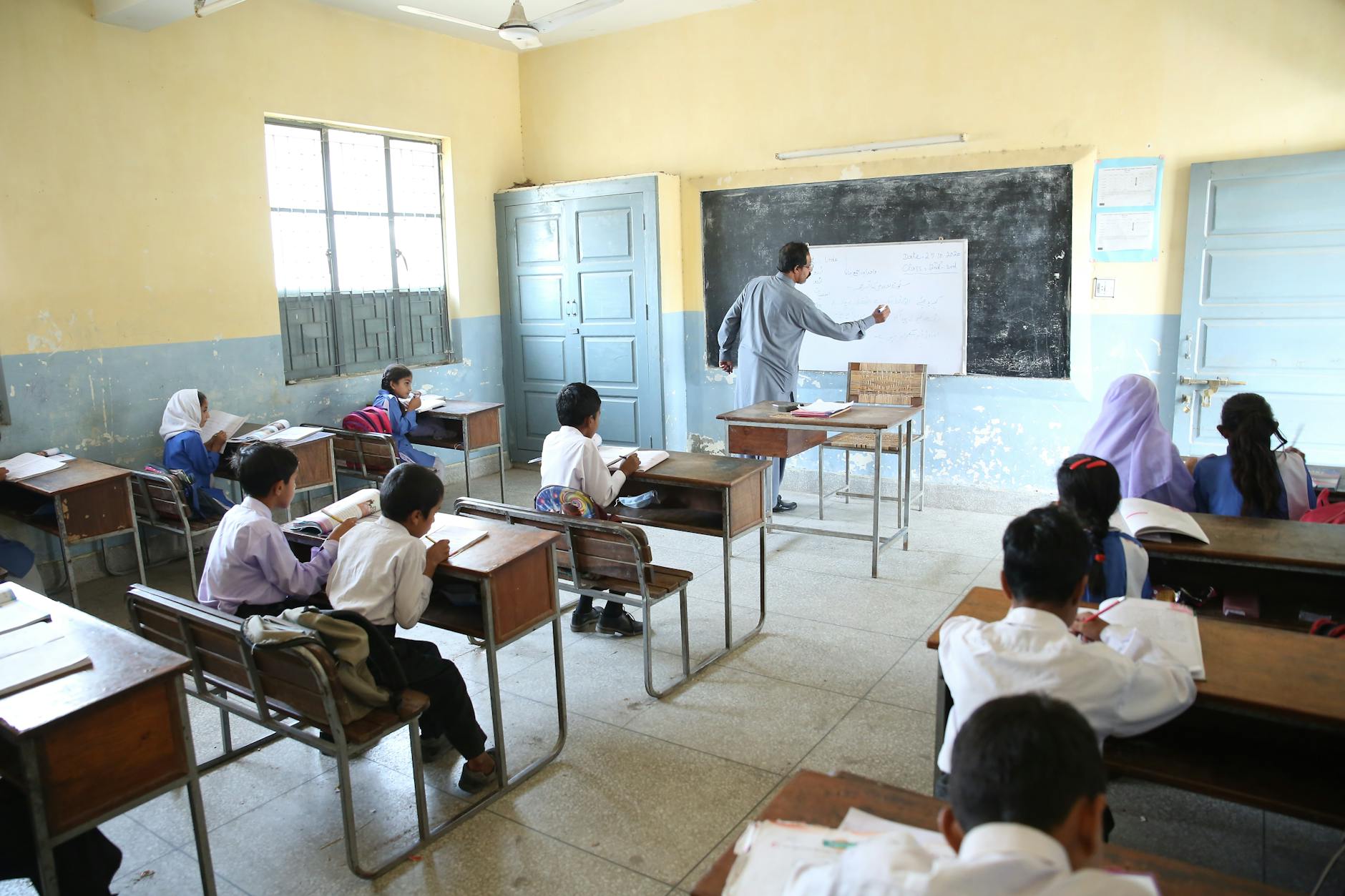
The Andhra Pradesh State Waqf Board has unveiled its ambitious Taleem-E-Hunar Talent Test 2026, a programme designed to provide free intermediate education to 250 bright yet underprivileged Muslim students across the state. This initiative is not merely an educational endeavour but a lifeline for those hindered by financial constraints.
At a time when quality education often feels like a privilege, the Waqf Board’s commitment to invest ₹15 crore into this project is a testament to its dedication towards fostering talent. These funds will cover the costs of providing corporate-level education, ensuring that brilliance is not overshadowed by the burden of poverty.
Breaking Barriers
The initiative, however, goes beyond simple charity. It is a strategic move to empower a community and uplift its youth. The selected students, shining through the competitive talent test, will gain access to educational resources and opportunities previously out of their reach.
This programme also reflects a growing recognition of the need for systemic support for minority communities. Education is often cited as the most potent tool for social mobility, and by targeting students who are academically gifted but financially disadvantaged, the board aims to create ripples of change that extend beyond individual success stories.
Challenges and Criticisms
Despite its noble intentions, the Waqf Board's initiative is not free from scrutiny. The Andhra Pradesh Ahle-Sunnat Wal Jamat has called for a transparent disclosure of the board’s assets, amid allegations of mismanagement and corruption. These demands for transparency underscore the complex dynamics at play in administering such a large-scale project.
Yet, the overarching goal remains clear: to unlock potential and pave pathways for a brighter future. As the state gears up for the talent test, expectations are high. Success for these students could serve as a beacon of hope for others, proving that with the right support, educational aspirations need not be curtailed by economic barriers.