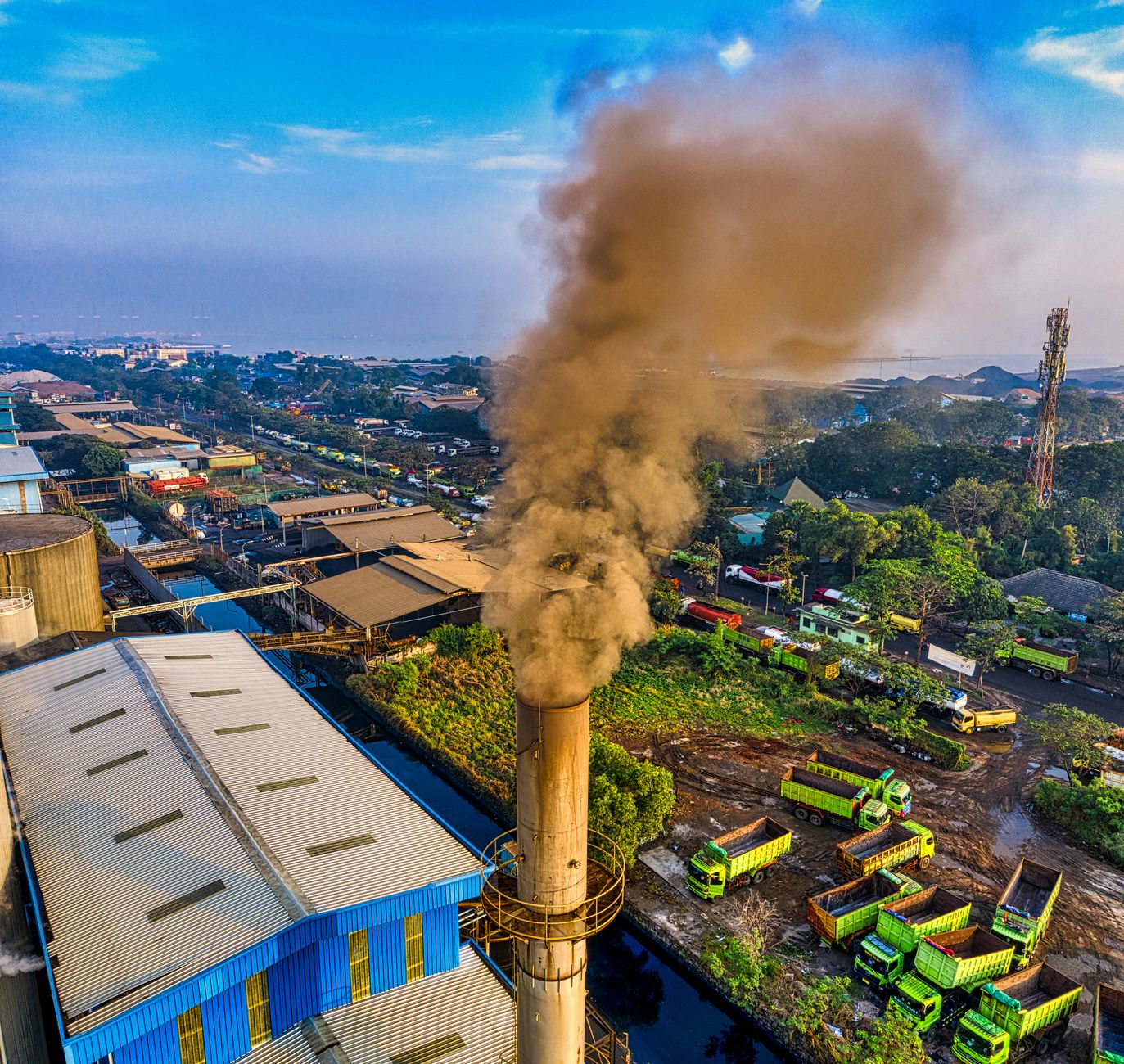
Arunachal's 1,000 MW Hydro-power Project Gains Green Light
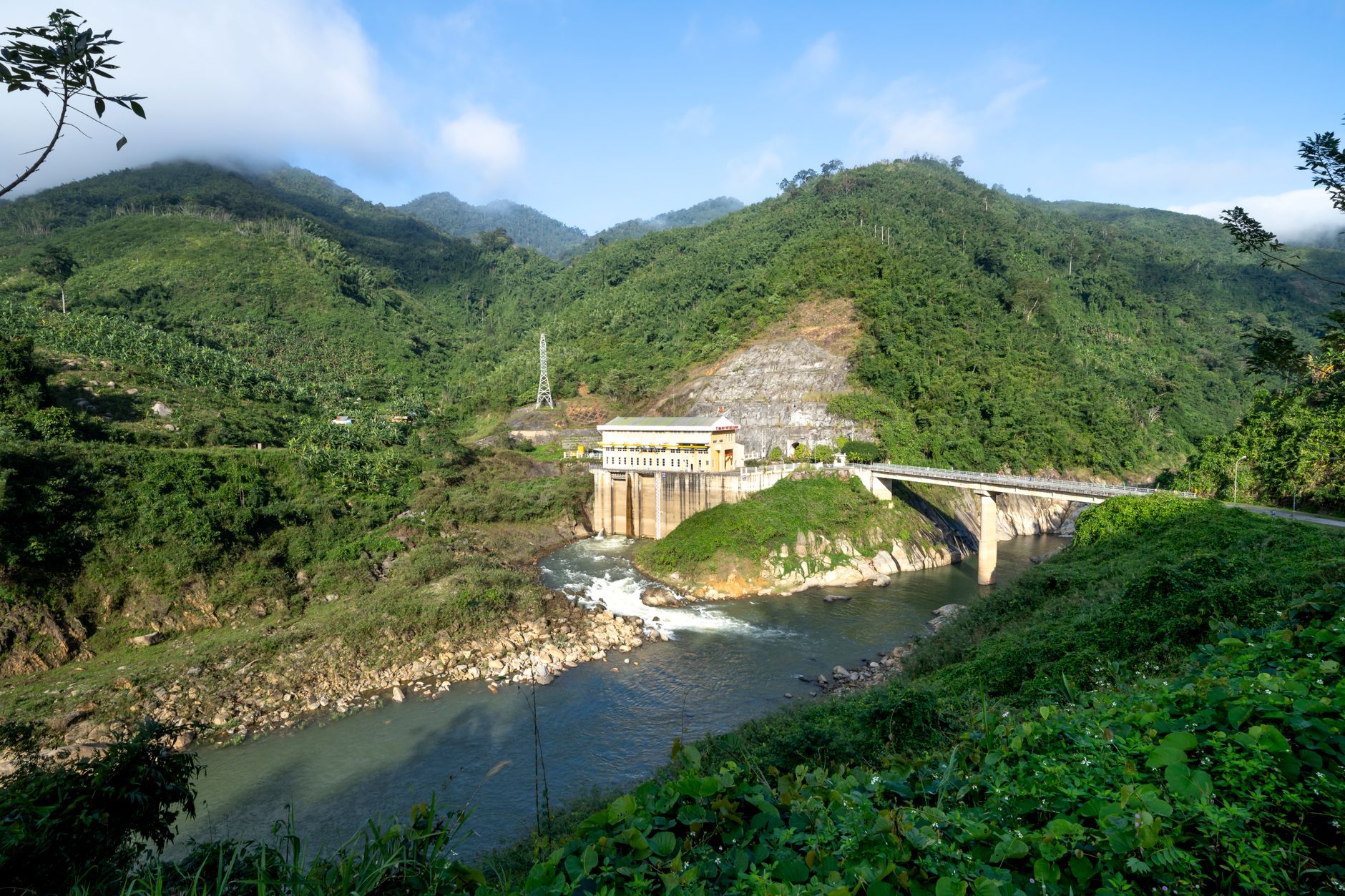
In a decision that underscores the delicate dance between development and environmental stewardship, the Central expert panel has granted environmental clearance for the 1,000 MW Naying hydro-power project in Arunachal Pradesh. Set against the backdrop of India's ambitious renewable energy targets, this project is poised to significantly contribute to the nation's power grid.
Located in the northeastern frontier of India, Arunachal Pradesh is a region renowned for its rich biodiversity and lush landscapes. The approval comes with a caveat, however. Environmentalists have raised concerns about the potential impacts on local ecosystems and the indigenous communities that depend on them. The delicate balance of nature in these parts is fragile, and any large-scale development runs the risk of upsetting this equilibrium.
Economic Promises and Environmental Perils
The Naying project promises to bolster economic growth by creating jobs and improving local infrastructure. Its role in addressing power shortages cannot be overstated, as it aligns with the national agenda to augment renewable energy sources. Nevertheless, the environmental cost could be high. The construction of dams and alteration of river courses can lead to habitat destruction, affecting flora and fauna unique to this region.
Experts argue that while the hydro-power project is a step towards sustainable energy, it necessitates a robust environmental management plan. Mitigation strategies, such as ensuring minimal disruption to wildlife corridors and maintaining riverine health, will be crucial to balancing development with ecological preservation.
The Road Ahead
With the green light now granted, the focus shifts to executing the project responsibly. The onus will be on both government agencies and developers to ensure that the environmental safeguards are not just theoretical but put into practice effectively. As the world grapples with the climate crisis, projects like Naying will serve as a litmus test for how we can pursue progress without compromising our planet's future.
In conclusion, while the Naying hydro-power project heralds a new chapter in India's energy narrative, it also poses pertinent questions about sustainability. The coming years will reveal whether this endeavour can truly be a beacon of green growth or if it will falter under the weight of its environmental implications.