Astronomers Discover Atmosphere on Potentially Habitable Exoplanet
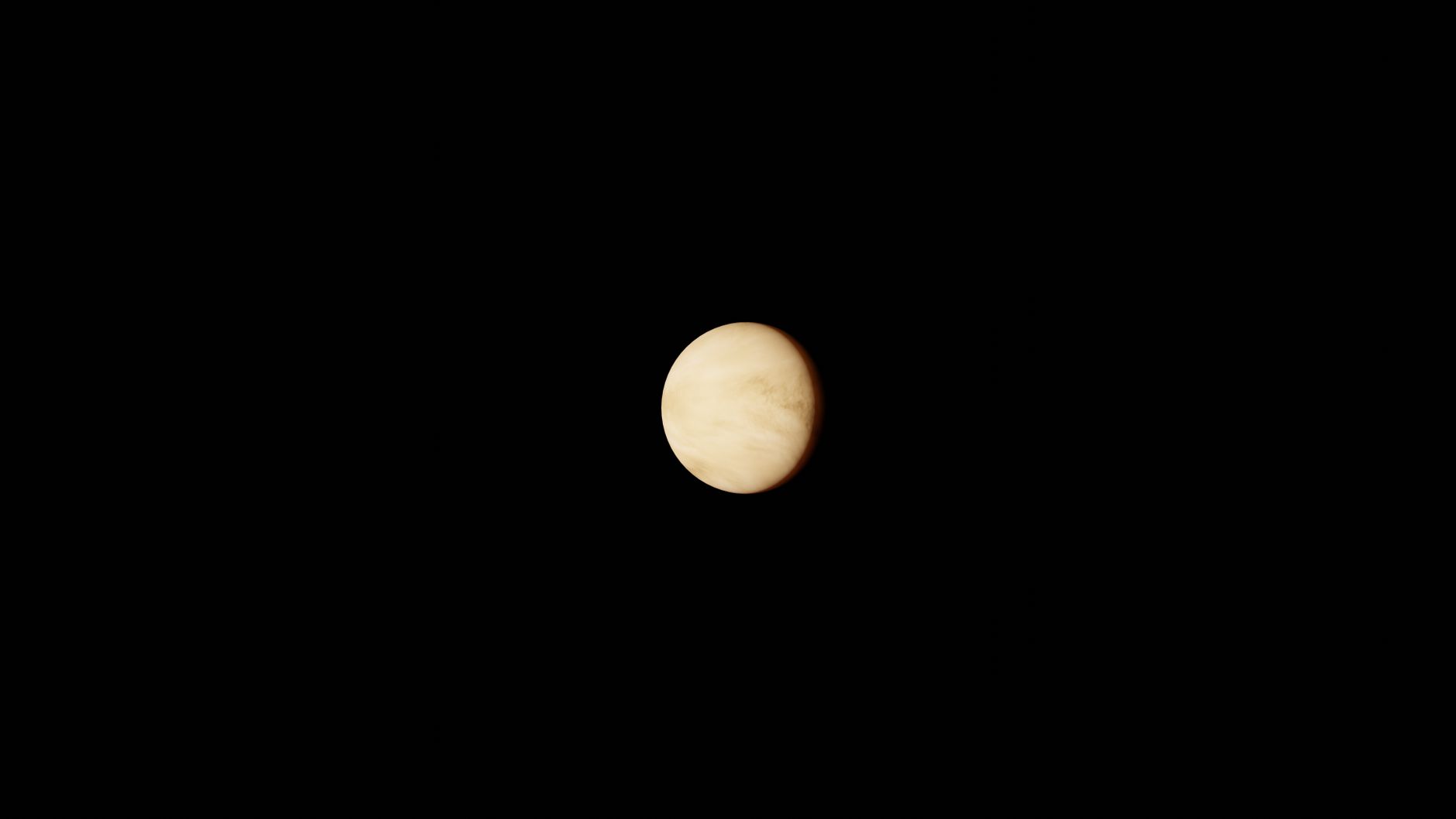
In a leap forward for the search for extraterrestrial life, astronomers have achieved a noteworthy milestone by identifying an atmosphere surrounding an Earth-like planet. This rocky celestial body, comfortably residing in the habitable zone of its parent star, presents an opportunity to explore the potential for life beyond our solar system.
The discovery, spearheaded by a team from Harvard, is not just a feather in the cap of the scientific community but a tantalising hint of what might lie beyond our familiar cosmic neighbourhood. The planet's rocky composition and its positioning in the temperate region of its star system make it a promising candidate for nurturing life.
The Significance of the Discovery
The presence of an atmosphere is crucial as it suggests the possibility of liquid water, considered essential for life as we know it. While previous discoveries have identified planets in habitable zones, this is the first where an atmosphere has been confirmed, setting it apart as a significant target for further research.
According to experts, the atmosphere could potentially shield the planet from harmful cosmic radiation, a critical factor in maintaining any biological processes. However, the composition of this atmosphere remains to be fully understood. The findings have sparked a flurry of excitement and debate among scientists, who are keen to determine whether it contains the right mix of gases that could support life.
Implications for Future Research
While the discovery is promising, it also raises a plethora of questions. What is the atmospheric composition? Is there evidence of water vapour or other life-supporting chemicals? These questions drive the ongoing research, with scientists employing advanced telescopes and observational techniques to delve deeper.
This newfound planet, perched beyond our immediate reach, beckons astronomers to expand their search for life. The next steps involve rigorous scrutiny of its atmospheric components and surface conditions, with the hope that one day, humanity might confirm the existence of life beyond Earth.