Astronomers Find Atmosphere on Distant Icy World, Defying Logic
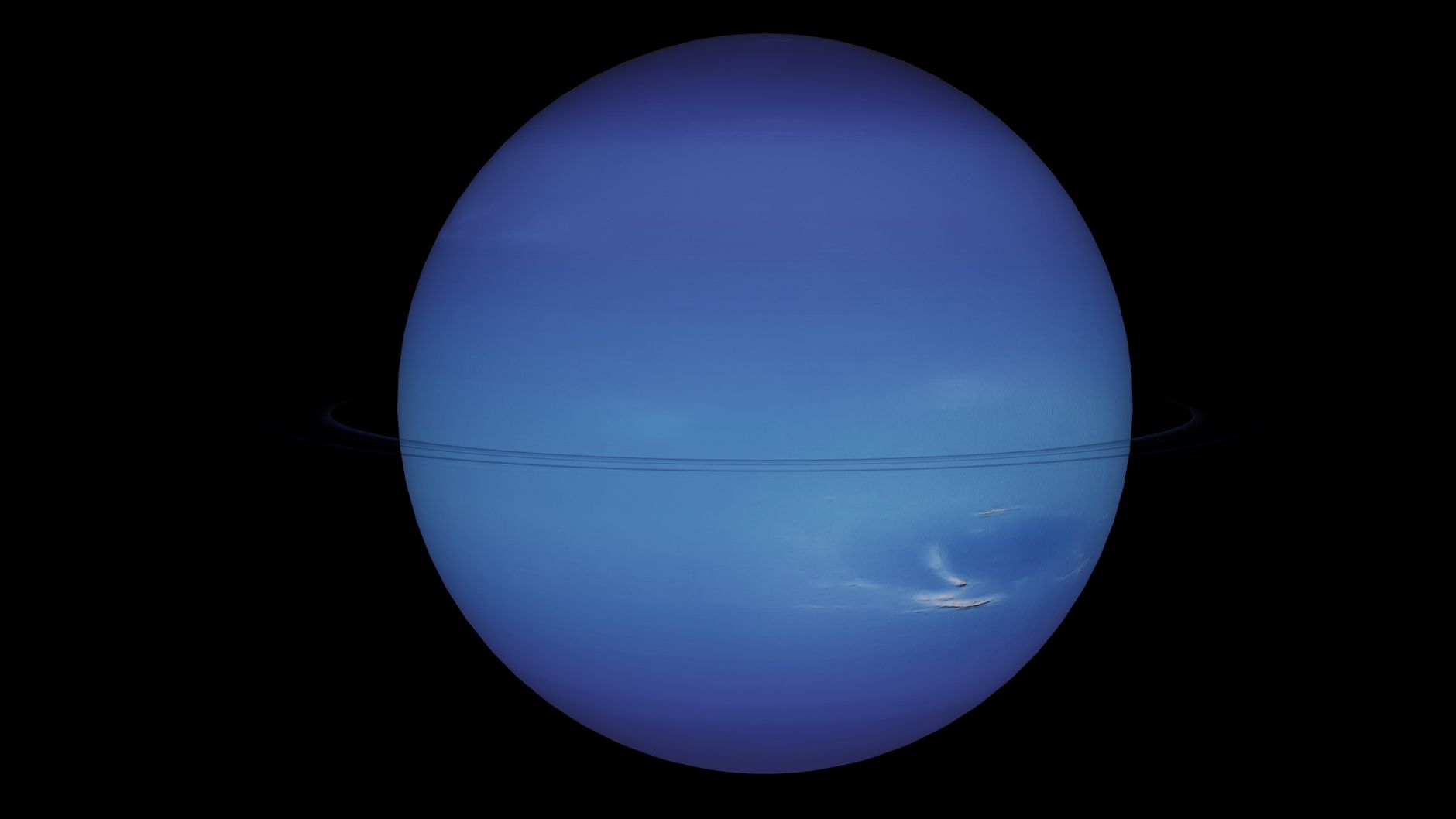
In a cosmic twist that has left scientists both baffled and exhilarated, a minuscule icy world beyond Neptune has been found to harbour an atmosphere. This revelation comes courtesy of researchers in Japan, who observed the object, known as 2002 XV93, as it passed in front of a distant star. Despite its diminutive size and low gravity, which theoretically should prevent it from having any atmosphere at all, this trans-Neptunian object defies conventional astronomical wisdom.
The discovery marks the first-ever detection of a potential atmosphere around such an object other than Pluto. Until now, the existence of atmospheres on trans-Neptunian objects was considered improbable, if not impossible. The thin atmosphere around 2002 XV93, transient as it may be, suggests that our understanding of these distant icy worlds is far from complete.
Challenging Established Theories
This unexpected find challenges long-held assumptions about how atmospheres are formed and maintained. Traditionally, it has been believed that only larger bodies with sufficient gravity could hold onto an atmosphere. The presence of an atmosphere on a body as small as 2002 XV93 raises questions about the processes that allow such a phenomenon to occur.
Researchers speculate that the atmosphere could be a temporary occurrence, possibly created by sublimating ices or other volatile substances on the object's surface. Further observations are essential to determine the exact composition and longevity of this atmosphere, as well as whether similar conditions exist on other trans-Neptunian objects.
Implications for Solar System Studies
The existence of an atmosphere on a trans-Neptunian object opens intriguing possibilities for the study of the solar system's outer reaches. Such discoveries could provide crucial insights into the formation and evolution of atmospheres in extreme conditions, potentially offering analogues for studying exoplanetary atmospheres in other star systems.
As astronomers continue to probe the mysteries of the universe, the small but significant presence of an atmosphere on 2002 XV93 serves as a reminder of how much there is yet to learn about the celestial bodies that populate our solar system. What was once considered impossible now invites a re-evaluation of our cosmic neighbourhood, one icy speck at a time.