Bangladeshi Students Demand Education Minister's Resignation Amid Protests
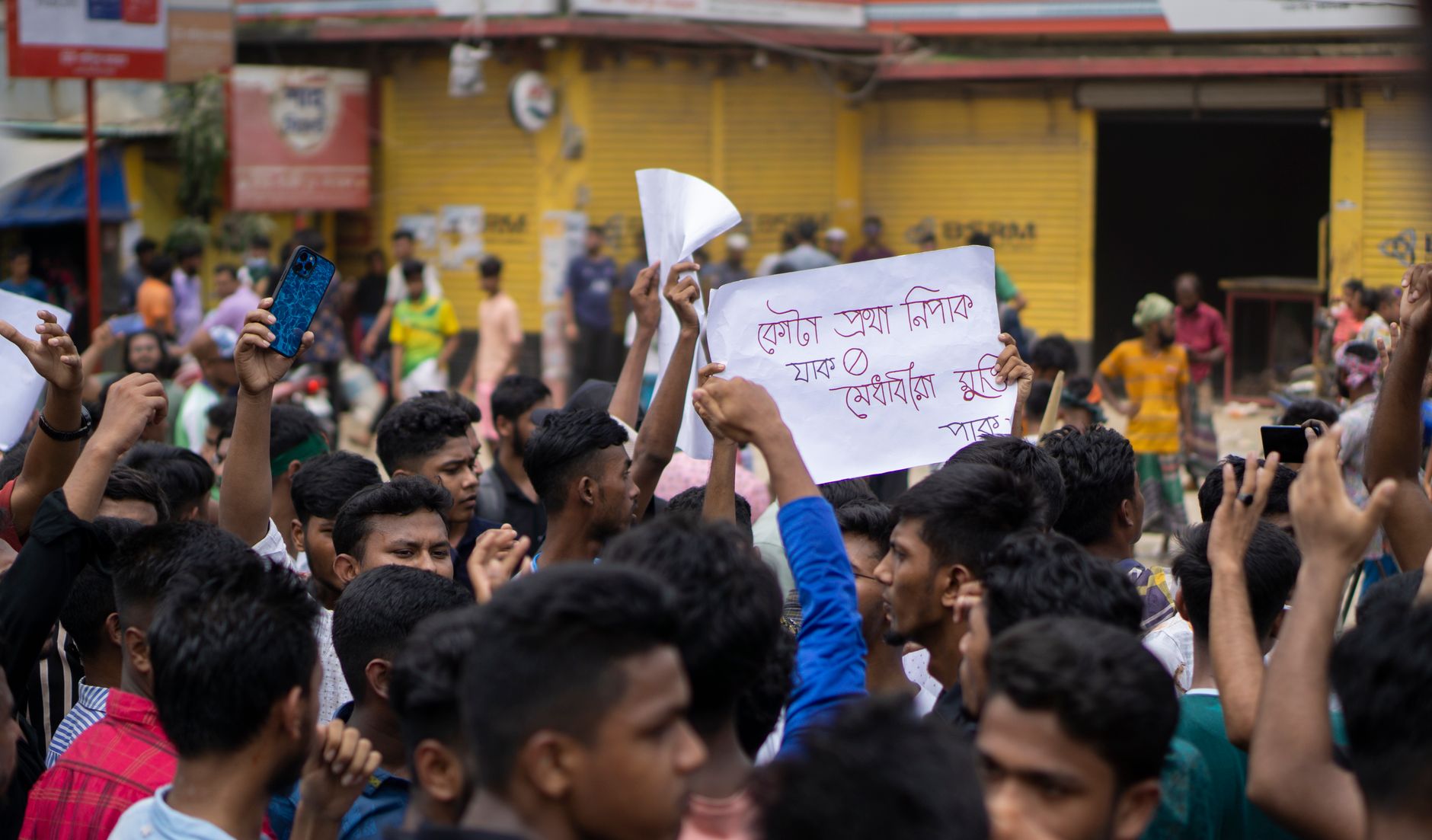
The streets of Dhaka have become a stage for youthful defiance, as students demand the resignation of Education Minister ANM Ehsanul Hoque Milon. The dissatisfaction stems from perceived failings in the management of the Higher Secondary Certificate examinations and a series of controversial educational reforms.
Protests erupted at the Science Lab intersection and Uttara areas, where students blocked key roads, bringing traffic to a standstill. The demonstrators, mainly HSC candidates, have articulated a list of demands, chief among them being the minister's resignation. They accuse the ministry of 'unnecessary experimentation' with public examinations, which they claim has jeopardised their academic future.
The Roots of Discontent
At the heart of the unrest is a deep-seated frustration with what many students see as a pattern of mismanagement. Recent changes to the examination process have been met with scepticism, with students and teachers alike questioning their efficacy and fairness. The reforms were introduced in a bid to modernise the system, but critics argue they were implemented without adequate preparation or consultation.
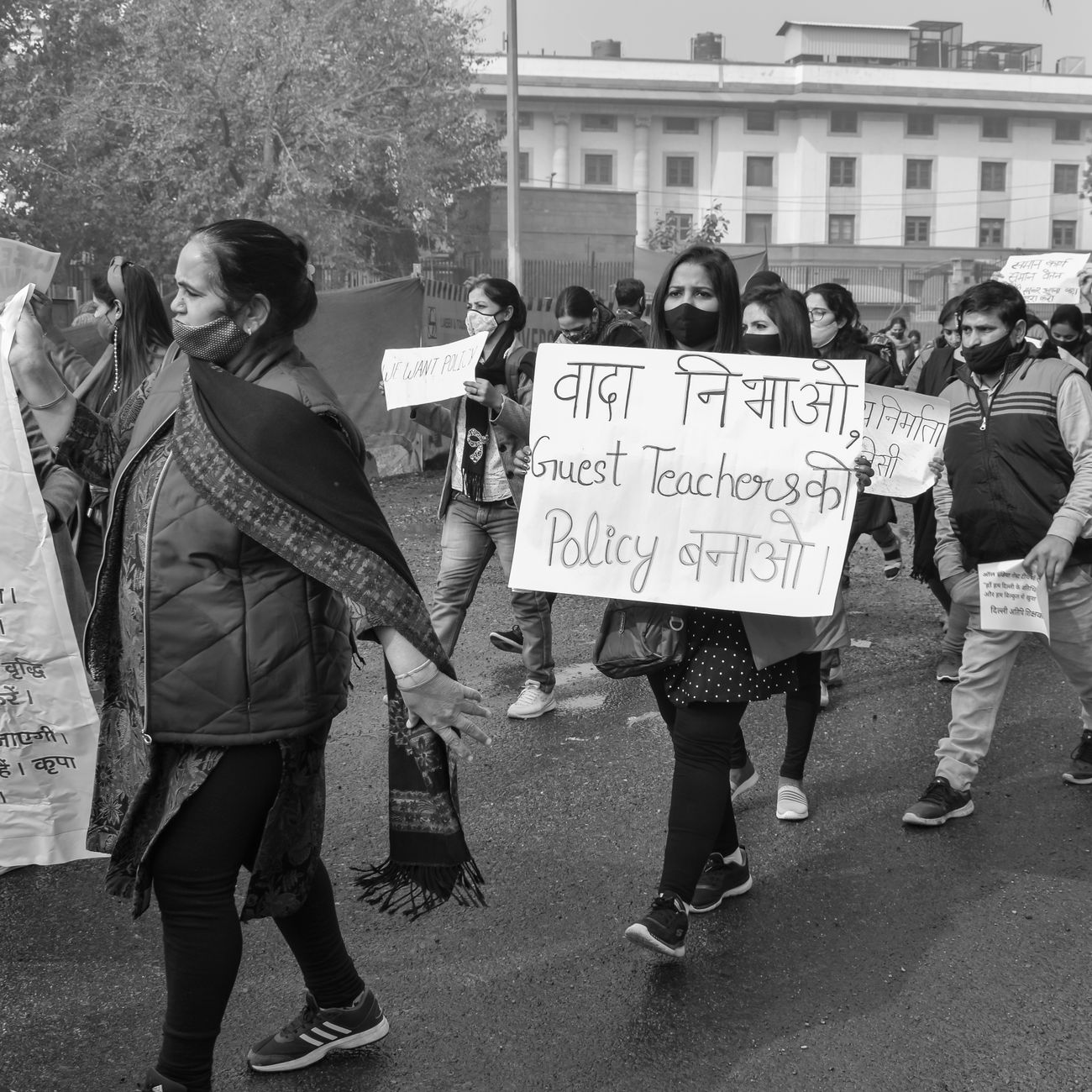
Adding fuel to the fire, allegations of corruption and favouritism within the ministry have surfaced, further eroding trust. It is a sentiment echoed by many youths across the border in India, where similar calls for the resignation of their education minister have been made.
Why This Matters
The protests in Bangladesh are not just about dissatisfaction with one minister. They represent a broader call for accountability in governance, particularly in the education sector. As the nation grapples with its aspiration for development, ensuring a robust and fair educational framework is crucial.
For the students, this is not merely a political protest; it's a plea for a future where their academic efforts are respected and valued. The outcome of these protests could set a precedent for how educational grievances are addressed across the region.
As the situation develops, all eyes will be on the Bangladeshi government to see whether it will heed the calls of its younger citizens or risk further unrest.