Bee Hotels Revolutionise Understanding of Pollinator Habitats
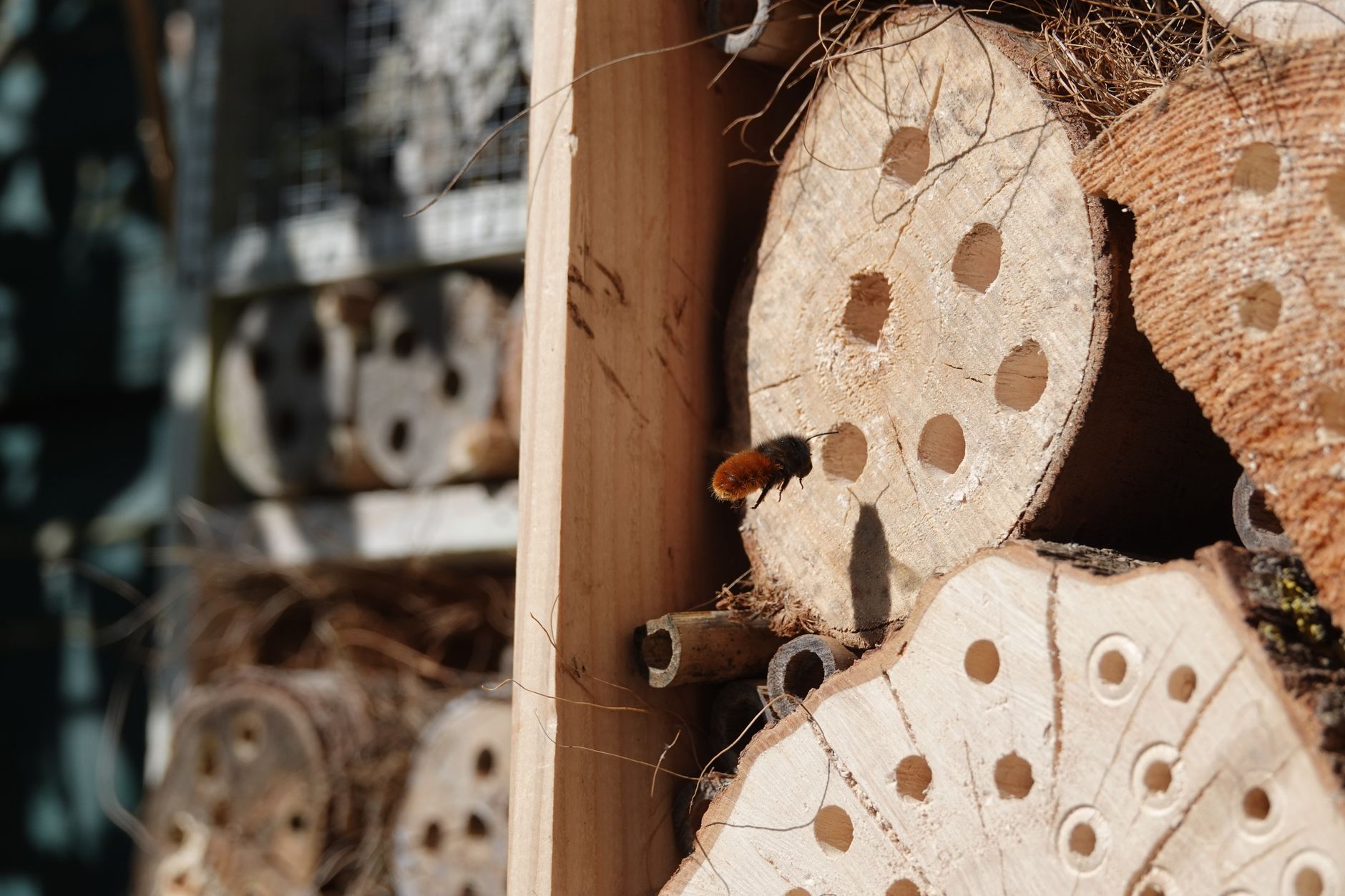
When Dr Kit Prendergast first embarked on her quest to build 200 bee hotels across Australia, little did she know that her project would fundamentally alter our understanding of pollinator behaviour. Situated amidst regions prone to wildfires, these unassuming wooden structures have, over three years, become epicentres of ecological revelations.
At the heart of this endeavour was a simple question: could bee hotels aid the recovery of native bee populations devastated by bushfires? The answer, it seems, is a resounding yes. Yet, what Dr Prendergast unearthed went beyond her initial hypothesis. These 'hotels' not only served as refuges for bees but also became bustling hubs of unexpected biodiversity.
A Surprising Array of Guests
It's not just bees checking in. From solitary bees to unexpected wasp species, the bee hotels have hosted a cavalcade of guests, each contributing to a complex tapestry of interactions. This discovery challenges the conventional wisdom that bee hotels only benefit bees, highlighting their potential as broader conservation tools.
What's more, these findings underscore the resilience and adaptability of pollinators in the face of environmental upheaval. The presence of diverse species in these structures suggests that bee hotels could play a pivotal role in maintaining pollinator populations amidst the increasing frequency of wildfires, a by-product of climate change.
Reassessing Conservation Strategies
Dr Prendergast's work calls for a reassessment of current conservation strategies. By providing safe havens in fire-affected areas, bee hotels could become a cornerstone of ecological recovery efforts worldwide. Yet, the implications extend beyond conservation. The insights gained from this study also offer clues about habitat preferences, pollinator interactions, and how these factors influence biodiversity.
As we witness the warming of our planet and the concurrent rise in wildfire incidents, these findings could not be more timely. They serve as a clarion call to integrate innovative conservation techniques into our efforts to preserve the planet's delicate ecological balance.
In the end, Dr Prendergast's bee hotels have done more than provide shelter. They have opened a window into the intricate world of pollinators, offering hope and guidance for future conservation endeavours.